
Last updated November 21, 2026
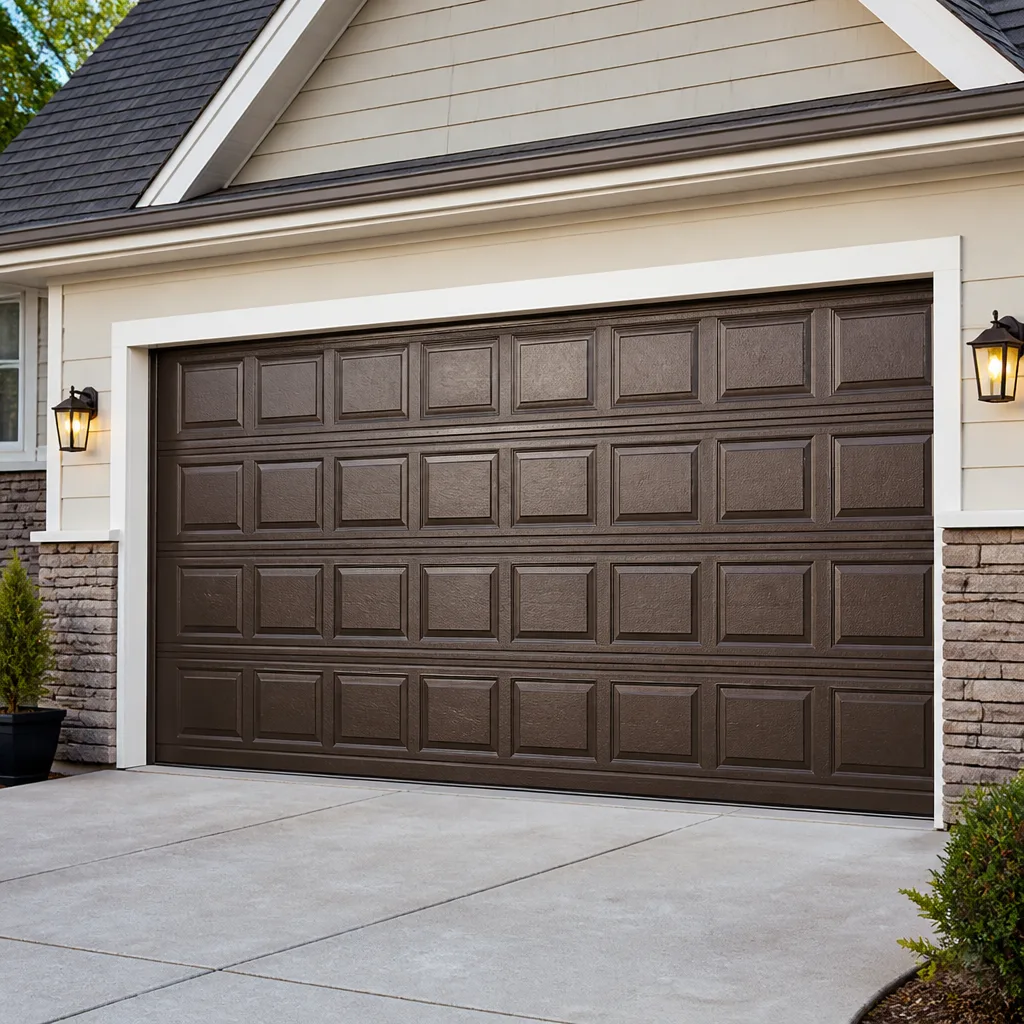 Raised-panel steel
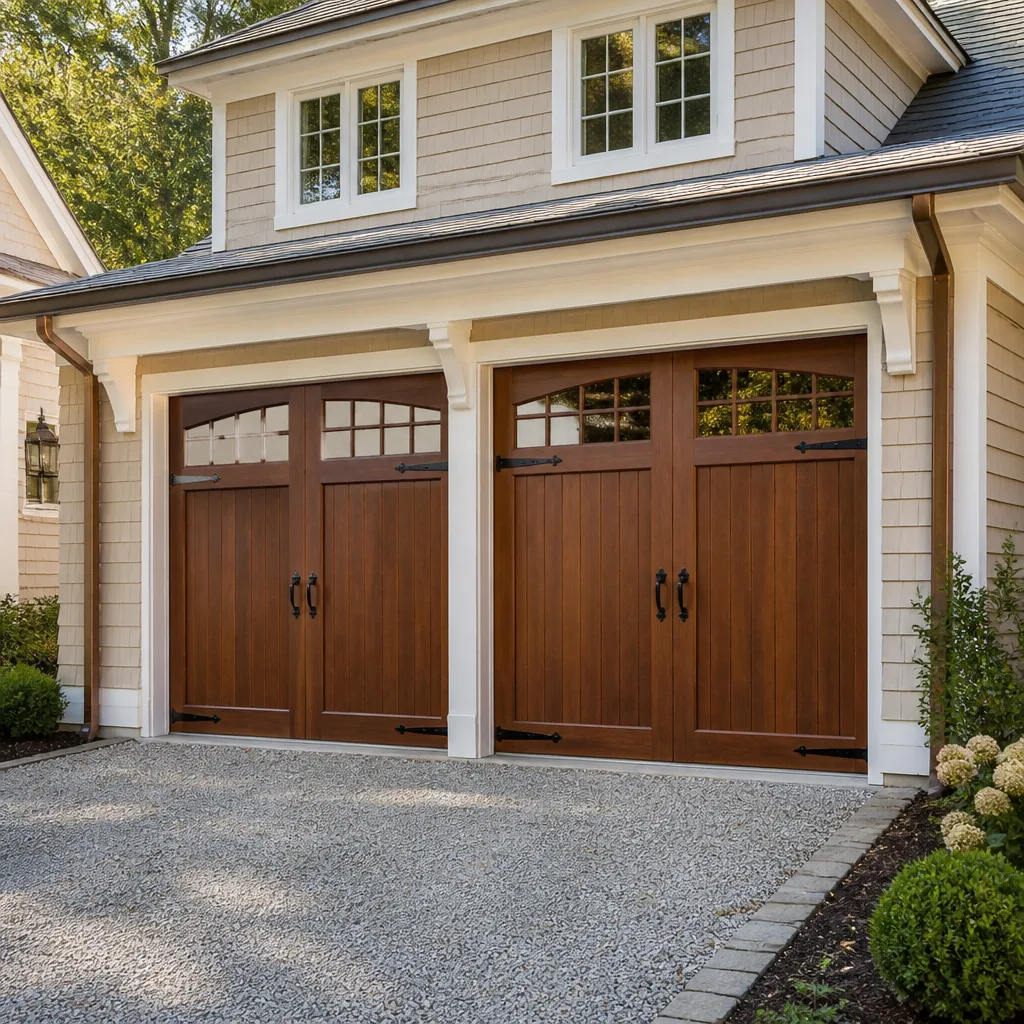 Carriage house
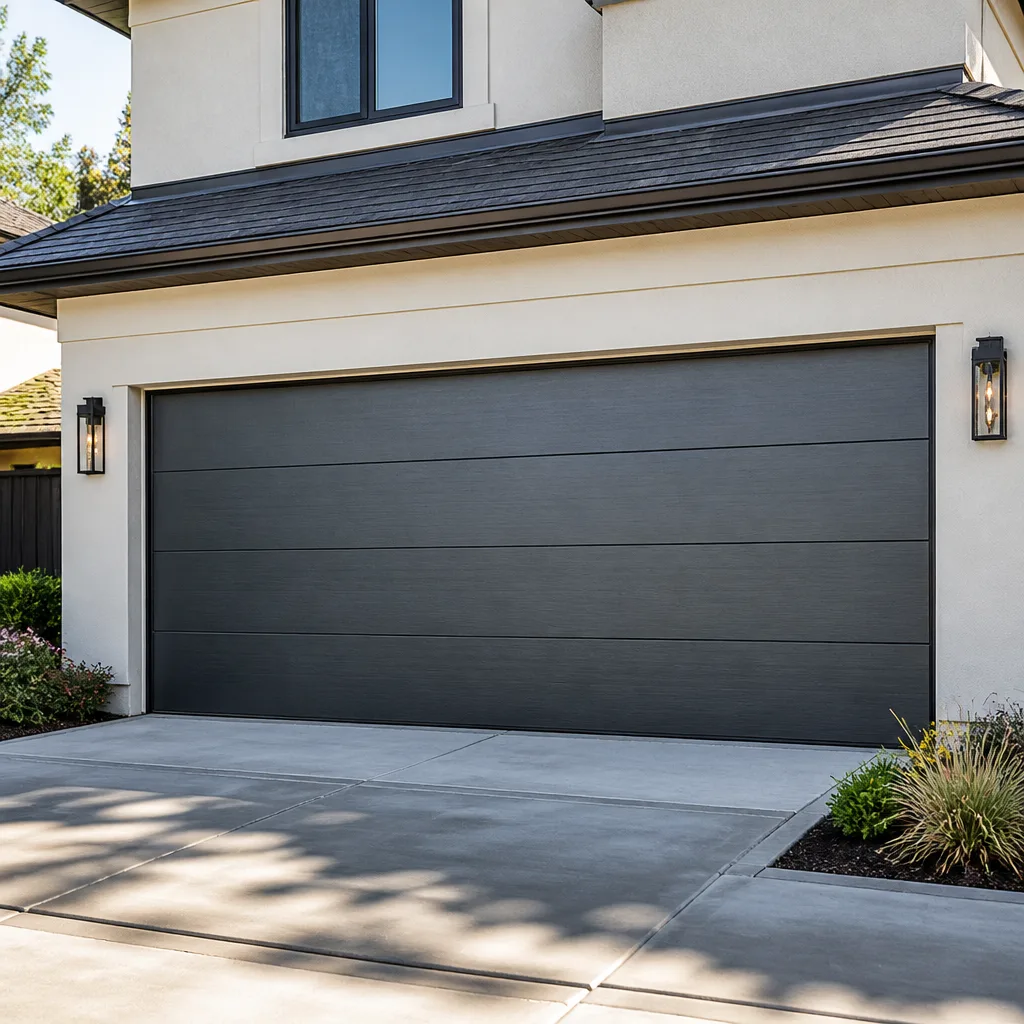 Modern flush
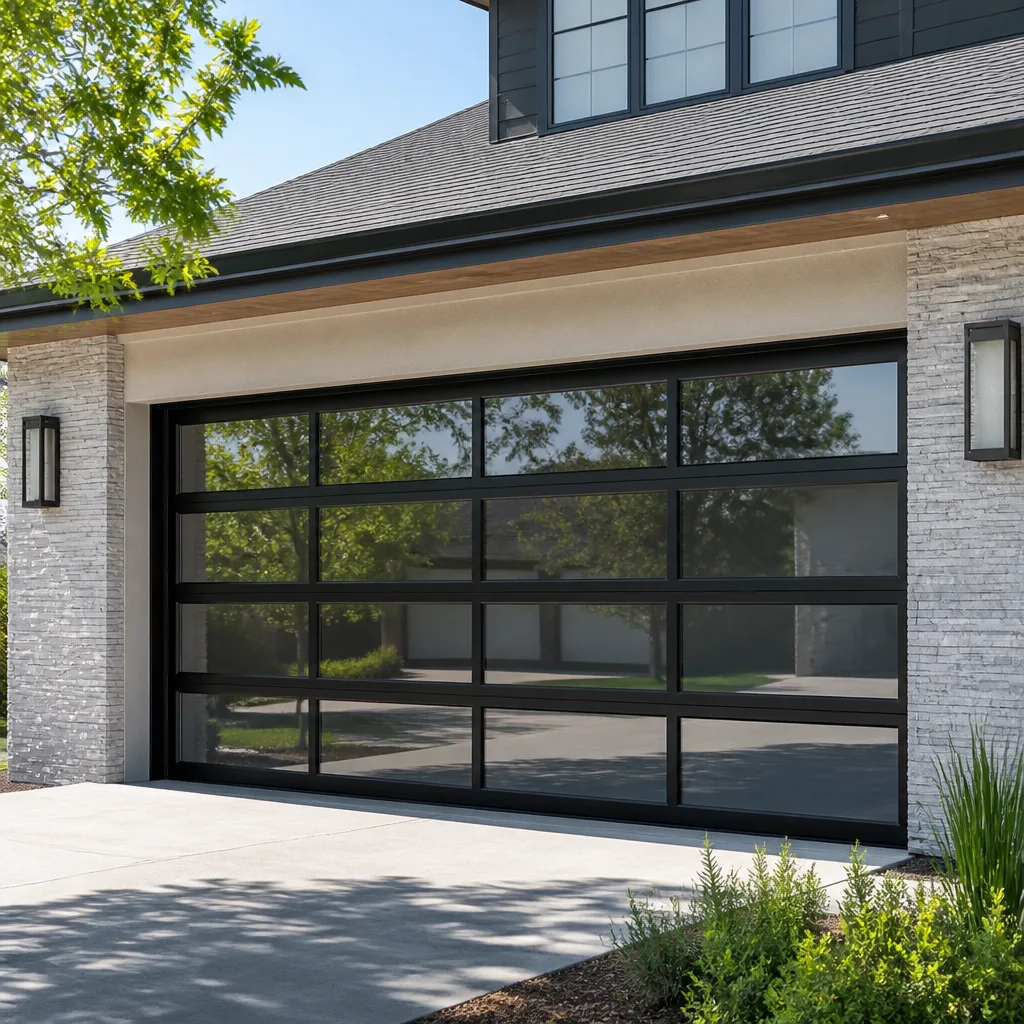 Full-view glass
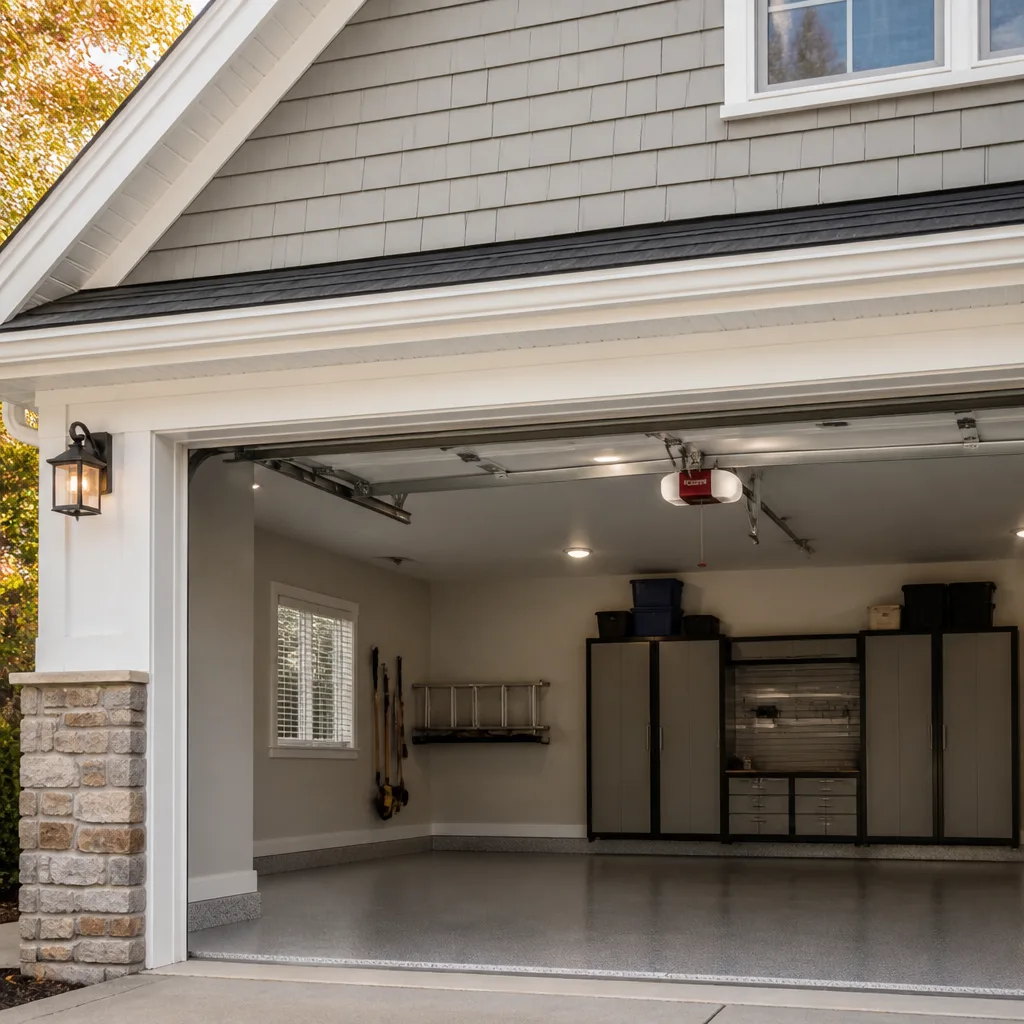 LiftMaster openers
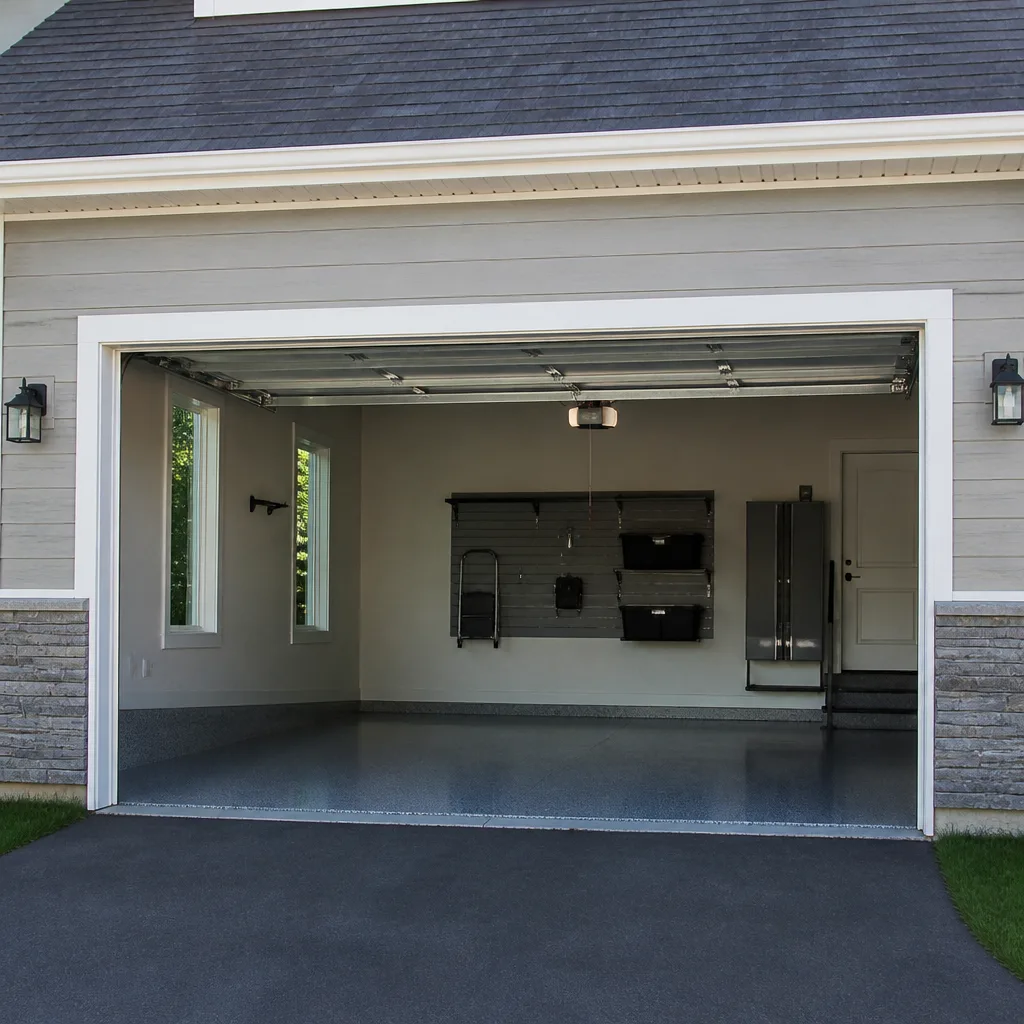 Chamberlain openers
Full 25-point door and opener safety check with every visit - springs, cables, rollers, tracks, and your LiftMaster or Chamberlain opener included
You get a price before we start. It does not change when the pro arrives.
Get your free estimateGarage Door Permits, Codes & Inspections in Lower East Side, NY: What You Need to Know
Most homeowners assume a garage door is like a refrigerator: buy it, install it, done. In New York City that assumption gets expensive. A new door or a changed opening on a Lower East Side building can require a Department of Buildings filing, and in parts of the neighborhood that sit inside or next to historic districts, it can also require approval of the door’s design and materials. This guide walks through when a permit applies and when a like-for-like swap doesn’t, how landmark rules shape what you can buy, what fire-rated assemblies mean in converted tenements, and what surfaces during a title search years later. We’ll keep the language plain.
Quick Answer
In New York City, replacing a garage door with an identical door in the same opening, with no structural change, generally does not need a DOB permit, while any work that changes the opening’s size, the header, the framing, or the door’s assembly type usually does. Properties inside a designated historic district may also need design approval before new door styles or materials go in. Confirm the specifics with the NYC Department of Buildings and, where relevant, the Landmarks Preservation Commission before ordering anything, because the rules depend on your building, not on the door.
Styles & brands we work with
- Raised-panel steel
- Carriage house
- Modern flush
- Full-view glass
- LiftMaster openers
- Chamberlain openers
Table of Contents
- When does NYC require a permit for garage door work?
- Historic districts and landmark rules in the Lower East Side
- Fire ratings for garage doors attached to living space
- What happens when unpermitted work surfaces at sale
- How to verify your contractor is filing the right permit
- What an inspection actually looks at
- Commercial and multi-family garages on the Lower East Side
- Common mistakes to avoid
When does NYC require a permit for garage door work?
The threshold is structural change. A permit is about the building, not the door. If the opening stays the same size and the tracks, springs and header stay where they are, you’re generally in replacement territory. If the opening grows or shrinks, if the header is altered, if a roll-up becomes a sectional, or if a new door requires different anchoring into masonry, you’ve crossed into work that typically needs a filing.
The working split looks like this:
- Usually no filing: swapping a damaged sectional door for a new one of the same size and type in the same opening, replacing springs, cables, rollers or an opener.
- Usually a filing: widening or heightening the opening, cutting a new opening in a wall, changing the header or lintel, converting a manual door to an operator with new electrical work, or changing from one door assembly type to another.
- Depends on the building: a door on a building with a certificate of occupancy that lists a specific assembly, or a door that is part of a required fire separation.
In the Lower East Side, a lot of garages are tucked under or behind older walk-ups, and the openings were cut decades ago to fit whatever the building could take. That history is exactly why the threshold question matters here more than in a newer suburb. When we look at a job, we ask what the opening is doing structurally before we talk about the door. If you’re unsure which category your project falls into, ask the city’s building department directly, and ask us for a free measure so you know the real dimensions and specs before you file anything. Our Garage Door Repair Lower East Side team handles the measuring and the written price; the filing is a conversation with the city.
Historic districts and landmark rules in the Lower East Side
Parts of the Lower East Side fall within designated historic districts, and that changes the conversation from “what fits” to “what’s approved.” In a landmarked area, exterior changes that are visible from the street can require a review before work starts, and a garage door is an exterior element. Material, color, panel profile and glazing can all be part of that review.
What that means in practice:
- A plain steel door that’s the obvious budget choice on a non-landmarked block may not be approvable on a landmarked one.
- Wood-look or carriage-style doors are often where these projects land, because they read closer to historic fabric, but the specific design still needs to be reviewed.
- Window inserts and the pattern of panels can be as scrutinized as the door itself.
- Timing matters. Design review adds steps before the door is ever ordered, so a project planned around a sale or a tenant move-in needs a longer runway.
Brand choice becomes practical here. Clopay, for example, offers door lines in multiple panel profiles and finish options, which gives more room to match a design requirement than a single-style product would. Amarr and Wayne Dalton have similar flexibility in their residential lines. What we can do is measure accurately, give you the specifications of the door you’re considering, and make sure the unit that shows up is the unit that was approved. What we can’t do is tell you what the commission will decide, and neither can any honest contractor.
If your building is in or near a historic district, the order of operations is simple: confirm the district status first, get the design approved second, order the door third. Skip step one and step three becomes a problem.
Fire ratings for garage doors attached to living space
Many Lower East Side buildings have garages that share a wall, a ceiling or a floor with living space, sometimes because a ground-floor commercial space was converted. Where a garage door is part of a required separation between a garage and a dwelling unit, the assembly may need a fire rating, and that rating is a property of the whole assembly: the door, the frame, the hardware and how it’s installed.
This is the part homeowners underestimate. You can buy a door with a fire rating label, but if it’s hung in a frame that isn’t rated, or the gaps aren’t sealed correctly, the assembly doesn’t perform as rated. A rated door is a system, not a panel.
What to do:
- Check your certificate of occupancy and any plans on file to see whether the opening is described as a rated separation.
- If it is, tell whoever is supplying the door that the opening needs a rated assembly, not just a door.
- Keep the documentation. Labels, spec sheets and the installation details are what an inspector or a buyer’s attorney will want to see later.
- Don’t assume a previous door was correct. Older buildings accumulate changes, and not all of them were done with paperwork.
Fire-rated assemblies are one of the reasons we ask questions before quoting a door in the Lower East Side. The door itself may be straightforward; the assembly requirements around it are what set the spec, the price and the timeline.
What happens when unpermitted work surfaces at sale
Unpermitted garage work tends to surface at the least convenient moment: during a sale. A buyer’s title search or an inspector walking the property can flag a door that doesn’t match what’s on file, and the deal slows down while everyone tries to figure out who did what and when.
What typically follows:
- A request for documentation that doesn’t exist, because the work was never filed.
- A scramble to determine whether the work needed a filing in the first place, which is often harder to answer years later than at the time.
- A negotiation over who pays to correct or legalize it, with the closing date as leverage.
- In some cases, a requirement to open a filing and go through inspection after the fact, which adds time to a transaction that has none to spare.
For a Lower East Side co-op or condo, there’s an extra layer: building management and the board often want to see paperwork for exterior and structural work, and their records may not match yours. Cooperative boards are particularly attentive to anything touching the building envelope.
The cheap insurance here is a folder. Keep the door’s specification sheet, the measurement, the written estimate and, if a filing was required, the permit and sign-off together with your building documents. If you’re planning to sell and you don’t know whether past garage work was permitted, it’s worth finding out before a buyer does.
How to verify your contractor is filing the right permit
Not every contractor files, and not every contractor files correctly. The permit type has to match the work, and the person filing needs to be authorized to do it. Ask directly, and ask early, before anyone orders a door.
- Ask whether a filing is required for your specific scope. A contractor who answers “never” without asking questions isn’t giving you an answer.
- Ask which permit type they intend to file and why. The explanation should reference the scope of work, not a generic category.
- Check the filing yourself. NYC allows you to look up permit and job filings, so you can confirm a filing exists and that the scope described matches what’s happening at your building.
- Confirm who is pulling it. The filing should be under a licensed professional authorized for that work, and the name on the filing should match the company you hired.
- Ask what happens at inspection. Whoever is filing should be able to tell you what the inspection covers and who will be there.
What it costs when a contractor doesn’t file correctly is mostly time and rework: a stop-work situation, a door that has to be modified or removed, a second filing, and a schedule that moves by weeks. In a Lower East Side building with tenants or a closing date, that’s the expensive part.
When we quote a job, the written price covers the work we do: measuring, supplying and installing the door, opener or spring. If your project needs a filing, we’ll tell you it needs one and point you to the city. That’s the honest version of the conversation, and it’s the one worth having before money changes hands.
What an inspection actually looks at
An inspection is not a quality review of your taste in doors. It checks whether the work matches what was filed and whether it meets the applicable code. For a garage door project, the focus tends to be on the opening, the structure around it and the assembly’s performance.
Expect attention to:
- The size and location of the opening, compared to the filed plans.
- The header and framing, and whether structural work matches what was described.
- The door assembly type and, where applicable, its rating and labeling.
- Anchoring and attachment to the structure.
- Clearances and the safe operation of the door, including any operator.
The most common reason an inspection goes sideways is a mismatch between the filed scope and the installed work. A door that’s a different size, a header that got modified on site, or an assembly swapped for a different model will all show up. That’s why the measure happens before the order and the order matches the filing.
It’s also why we don’t guess at dimensions. Our technicians have up to 13 years of experience, and the first thing that experience teaches is that a Lower East Side opening is rarely the size it looks. Brick settles, old frames are out of square, and a door ordered from a rough tape measurement is a door that comes back.
Commercial and multi-family garages on the Lower East Side
Commercial and multi-family garage doors carry a different weight of requirement than a single residential door. A roll-up serving a loading area, a door on a building with tenants above it, or an opening that’s part of a required separation all sit in a category where filings and inspections are more common, not less.
A few practical notes for property managers in the Lower East Side:
- Roll-up and sectional commercial doors are distinct assemblies. Replacing one with the other is a change, not a like-for-like swap.
- Operators on commercial doors carry their own requirements around safe operation and controls.
- Buildings with multiple units often have records requirements from ownership or management that go beyond the city’s, so check both.
- Spring and cable work on heavy commercial doors is high-risk work. It belongs with a trained technician, not a handyman.
A garage door that fails at a commercial property disrupts deliveries, parking and access, which is why we treat those calls as urgent. We answer 24/7. Fast dispatch from 7am to 7pm, Sunday through Friday, and if a door fails outside those hours we’ll book it into the next opening.
Common Mistakes to Avoid
- Ordering the door before confirming the district status. In a landmarked part of the Lower East Side, an approved-looking door that was never reviewed is a door that may have to come out. Confirm the district first, then buy.
- Treating a size change as a replacement. Widening an opening by even a few inches is a structural change, not a swap. Ask the city’s building department before you assume otherwise.
- Buying a rated door without a rated assembly. The label on the panel doesn’t make the opening compliant if the frame and sealing aren’t part of the spec. Specify the assembly, not just the door.
- Not keeping the paperwork. Specifications, measurements, estimates and any permit sign-off should live with your building documents. A sale is a bad time to start looking for them.
- Hiring whoever is cheapest without asking about filings. A price that excludes a required filing isn’t a lower price, it’s an incomplete one. Ask the question before you compare quotes.
- Letting a handyman touch springs or cables. High-tension springs and cables store enough force to cause serious injury, and no permit question is worth that risk. That work belongs with a trained technician.
- Assuming an older door was installed correctly. Buildings in the Lower East Side have been modified many times over. Past work isn’t evidence that a filing exists.
See the difference
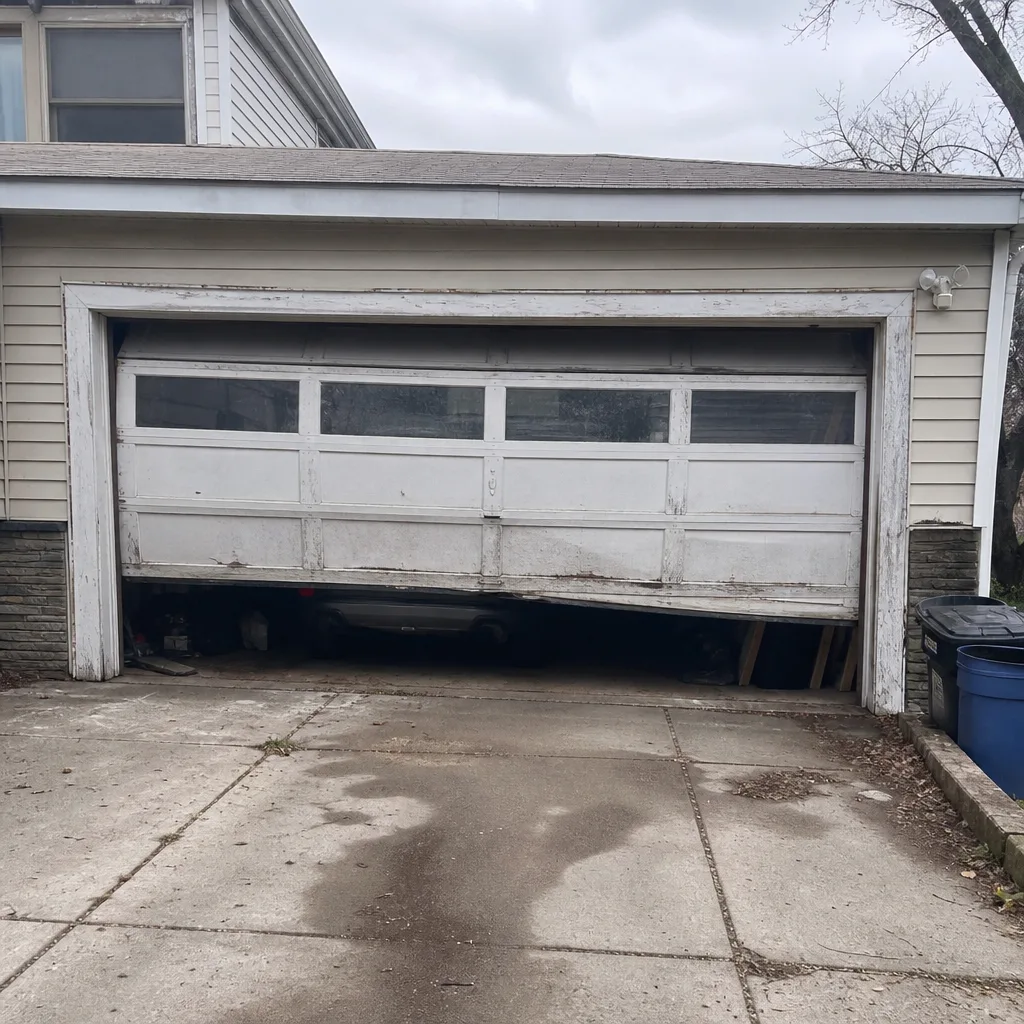 Before
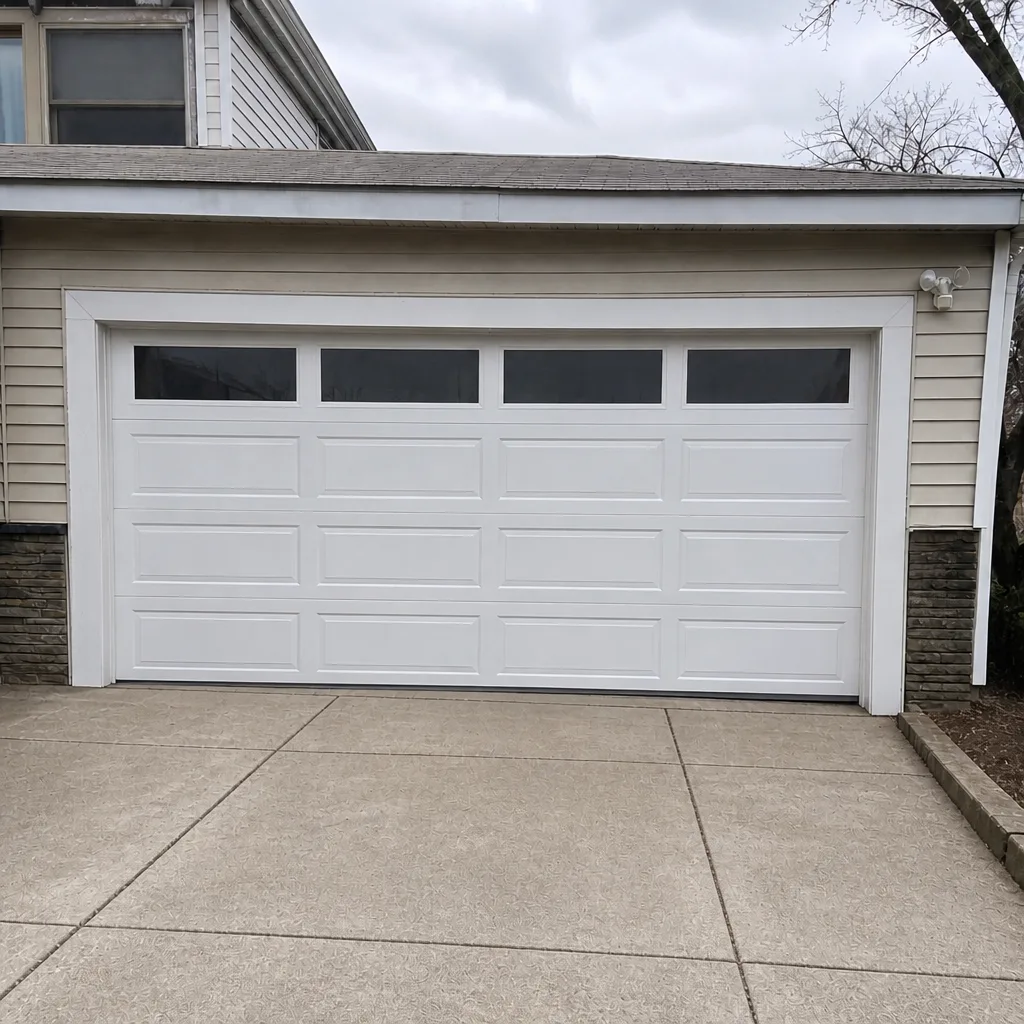 After
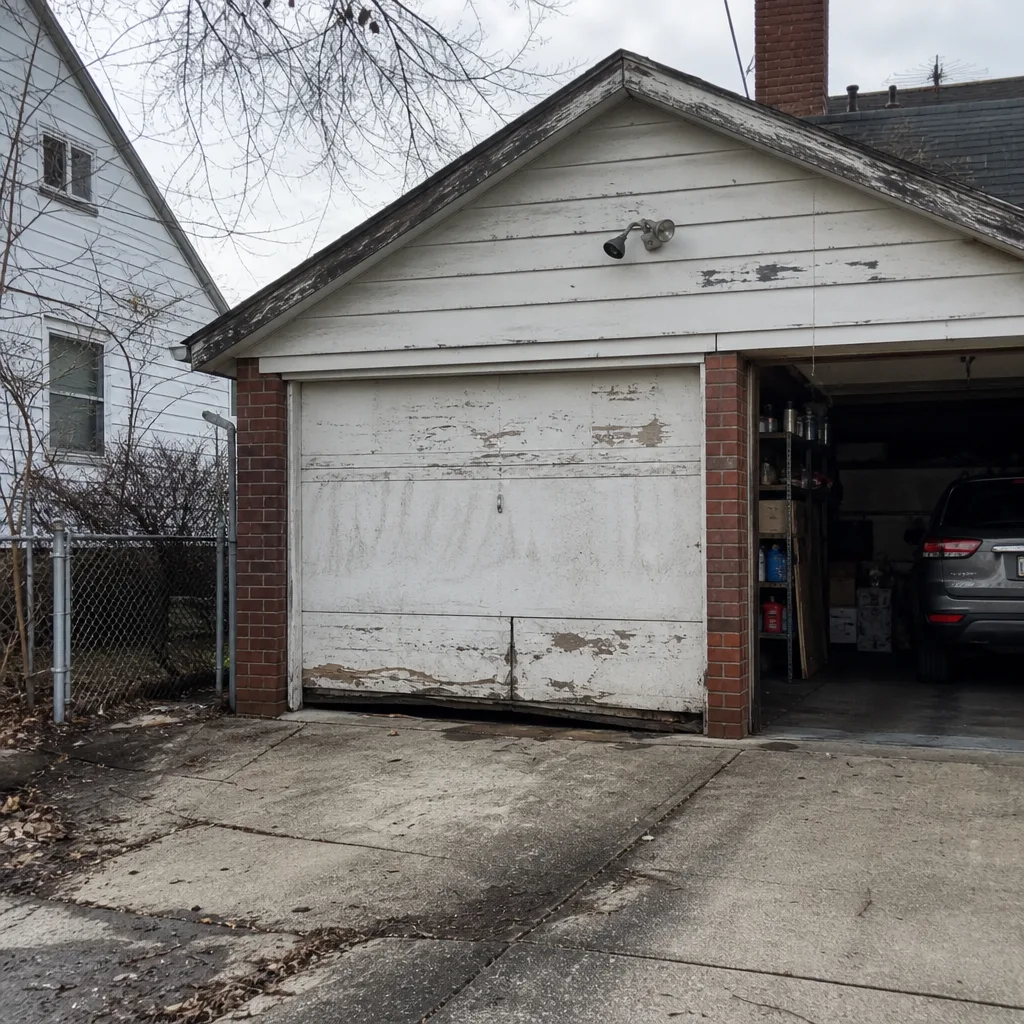 Before
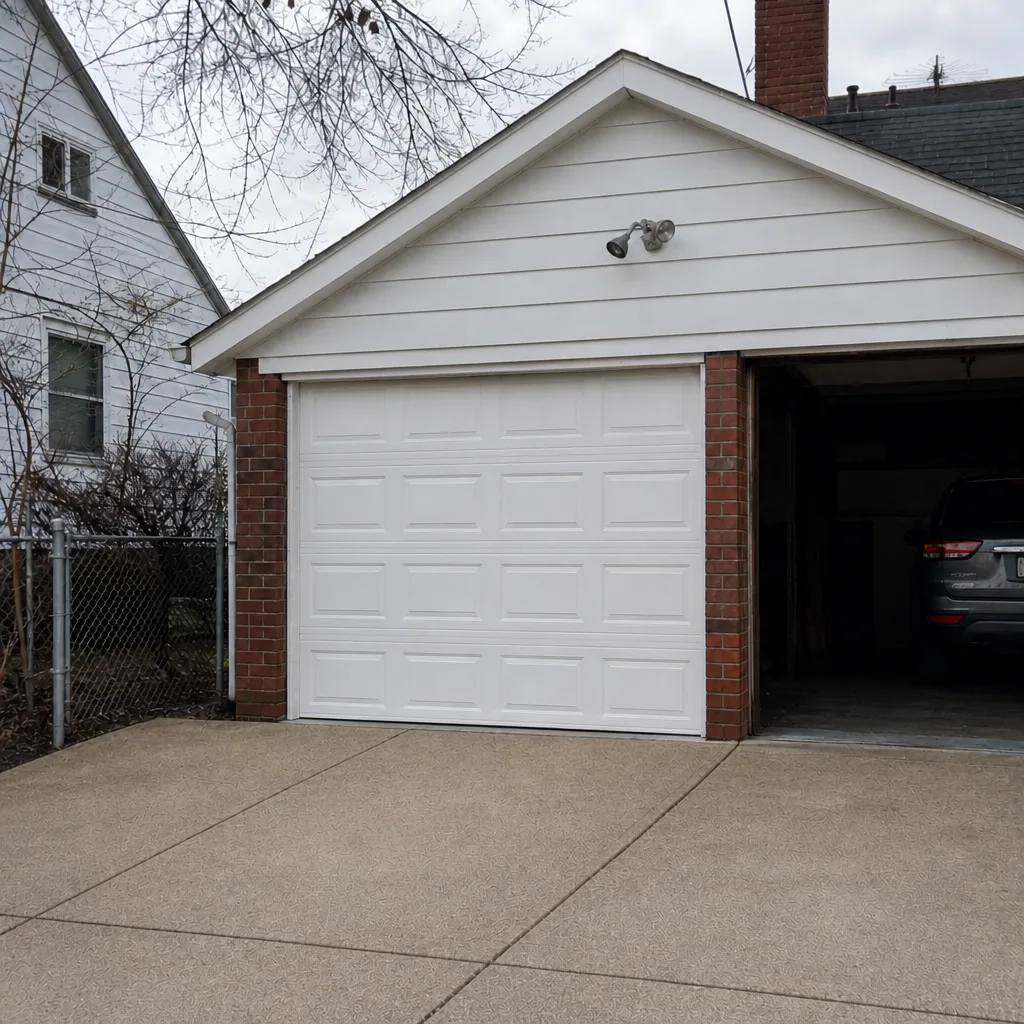 After
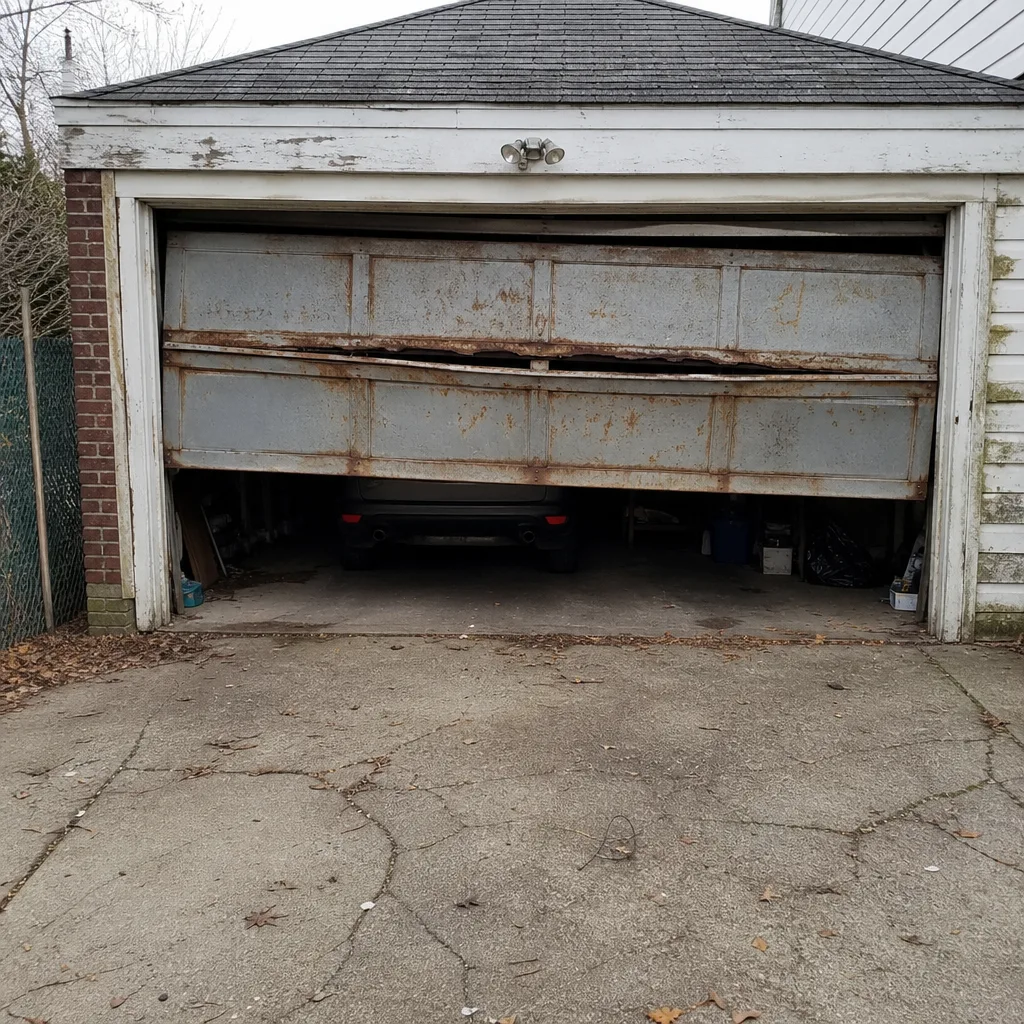 Before
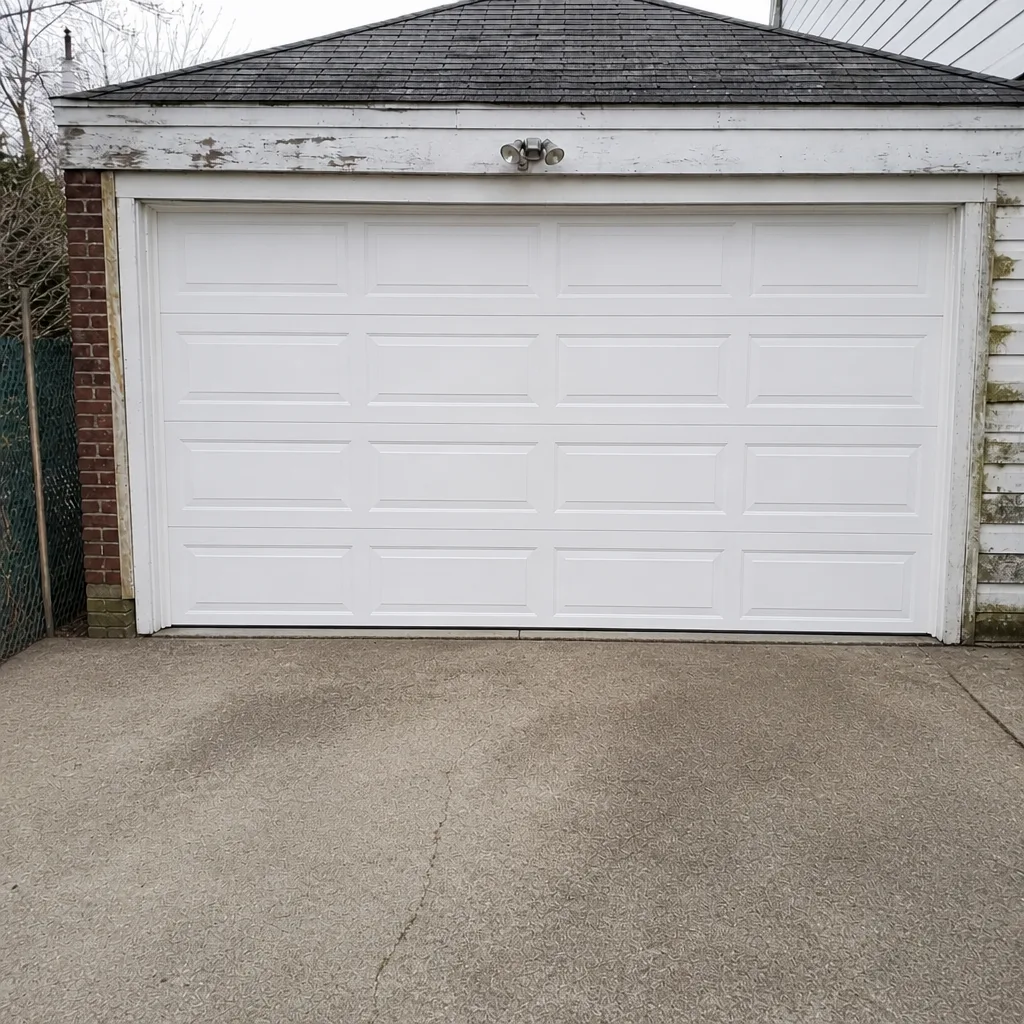 After
When to Call a Professional
Call a professional when the question is mechanical or structural: a door that won’t close, a snapped spring, a cable that’s come off its drum, an opener that runs but won’t lift the door, a bent track, or a panel that’s cracked after an impact. Call before you order anything if you’re planning a new door and you don’t know whether the opening or the district status will require a filing, because the specification comes before the paperwork. Call a professional rather than a handyman for anything involving springs, cables or torsion hardware; those parts are under tension, and getting them wrong causes serious injury. Garage Door Repair Lower East Side offers free estimates in Lower East Side, and we work on LiftMaster, Chamberlain, Genie and Clopay systems as well as the other major brands. Call (866) 937-7379. We answer 24/7. Fast dispatch from 7am to 7pm, Sunday through Friday.
Frequently Asked Questions
Usually not, if the new door goes into the same opening at the same size and type with no structural change. If the opening is being resized, the header is altered, or the door assembly type changes, a filing is typically required. Confirm with the NYC Department of Buildings for your specific building, and if the property sits in a historic district, check the design review requirement too. Call (866) 937-7379 for a free measure so you know the exact dimensions before you file.
Yes, in most cases. Exterior changes visible from the street in a designated historic district can require review, and a garage door counts as an exterior element. Material, panel profile, color and window inserts may all be part of that review, and the approval happens before the door is ordered. Ask your city’s landmarks office whether your block is designated, then have your contractor supply the full specification of the door for the filing. Estimates are free; call (866) 937-7379.
A fire-rated garage door is part of a rated assembly that separates a garage from living space, and whether your building needs one depends on whether that opening is a required separation. Check your certificate of occupancy, and if the opening is described as rated, the whole assembly, not just the panel, needs to be rated. Door options in Clopay and Amarr lines can meet these specs when the assembly is specified correctly. Call (866) 937-7379 and we’ll measure the opening and work from there.
It can complicate one significantly. A buyer’s inspector or title search can flag work that doesn’t match what’s on file, which typically leads to a request for documentation, a negotiation over who corrects it, and sometimes a retroactive filing and inspection. The delay, not the door, is the problem. If you’re planning a sale and you’re unsure about past garage work, find out before the buyer does. Call (866) 937-7379 for an assessment.
No. The price is quoted and agreed before any work starts, and the written estimate sets the final price. What can change is the specification: if we measure and find that the opening isn’t the size or type the original conversation assumed, we’ll tell you before anything is ordered and give you a revised written price. We don’t start work on a number that wasn’t agreed. Estimates are free; call (866) 937-7379.
The local professionals we connect you with are licensed and insured as their state requires. Our technicians have up to 13 years of experience, and they work across LiftMaster, Chamberlain, Genie, Clopay, Amarr, Wayne Dalton, Craftsman and Raynor systems. For a permit-related project, ask who is pulling the filing and confirm it yourself in the city’s records before work begins. Call (866) 937-7379 to book a free estimate.
The Bottom Line
In the Lower East Side, the garage door permit question is really a building question. Like-for-like replacement usually doesn’t need a filing; anything that changes the opening, the header or the assembly type usually does. Historic district status can add a design review before you order a door. Fire-rated assemblies have to be specified as a system, not a panel. And unpermitted work tends to surface at the worst possible time, during a sale. Keep your specifications, measurements and any sign-off with your building documents, ask your contractor what they’re filing and confirm it yourself. If you need a measure, a repair or a new door priced correctly, our garage door repair, garage door installation and garage door opener repair teams are ready to help. Call (866) 937-7379 for a free estimate. We answer 24/7. Fast dispatch from 7am to 7pm, Sunday through Friday.
Written by the team at Garage Door Repair Lower East Side.