
Last updated November 21, 2026
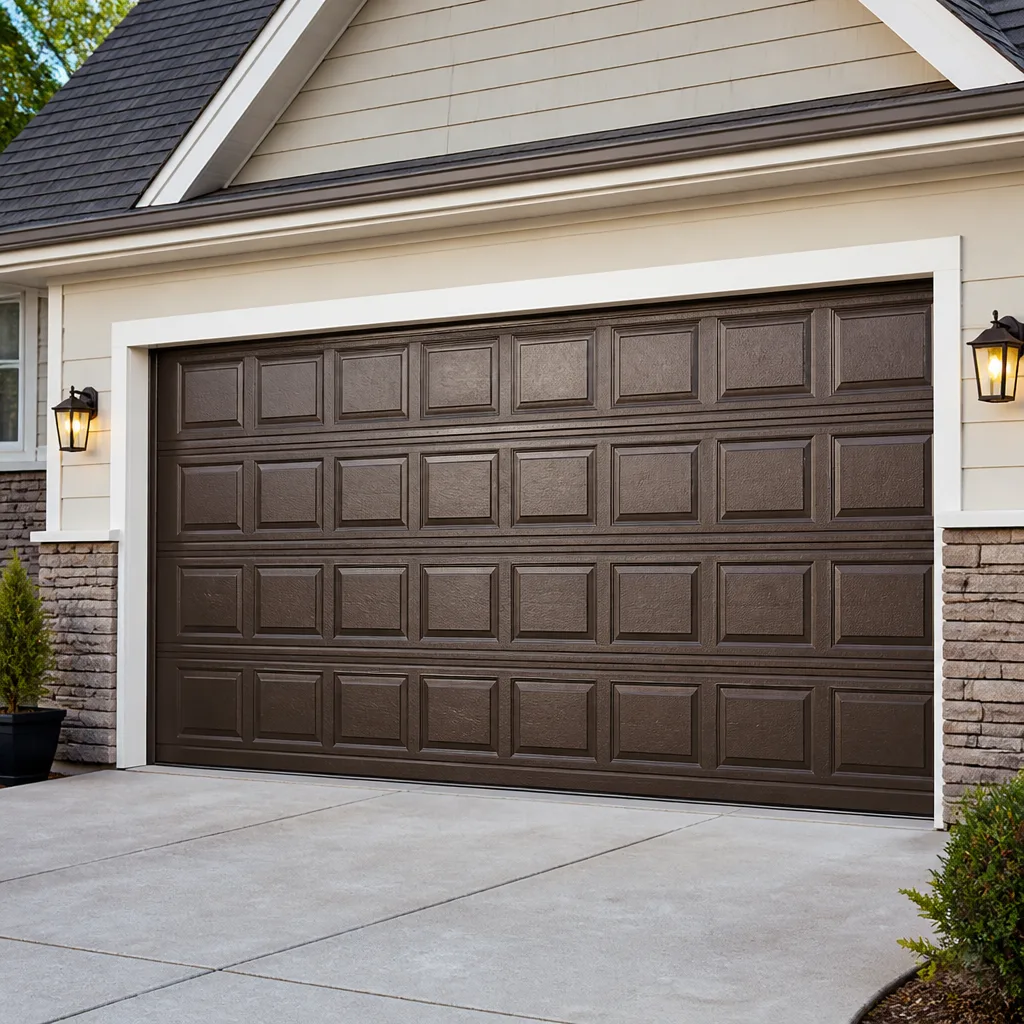 Raised-panel steel
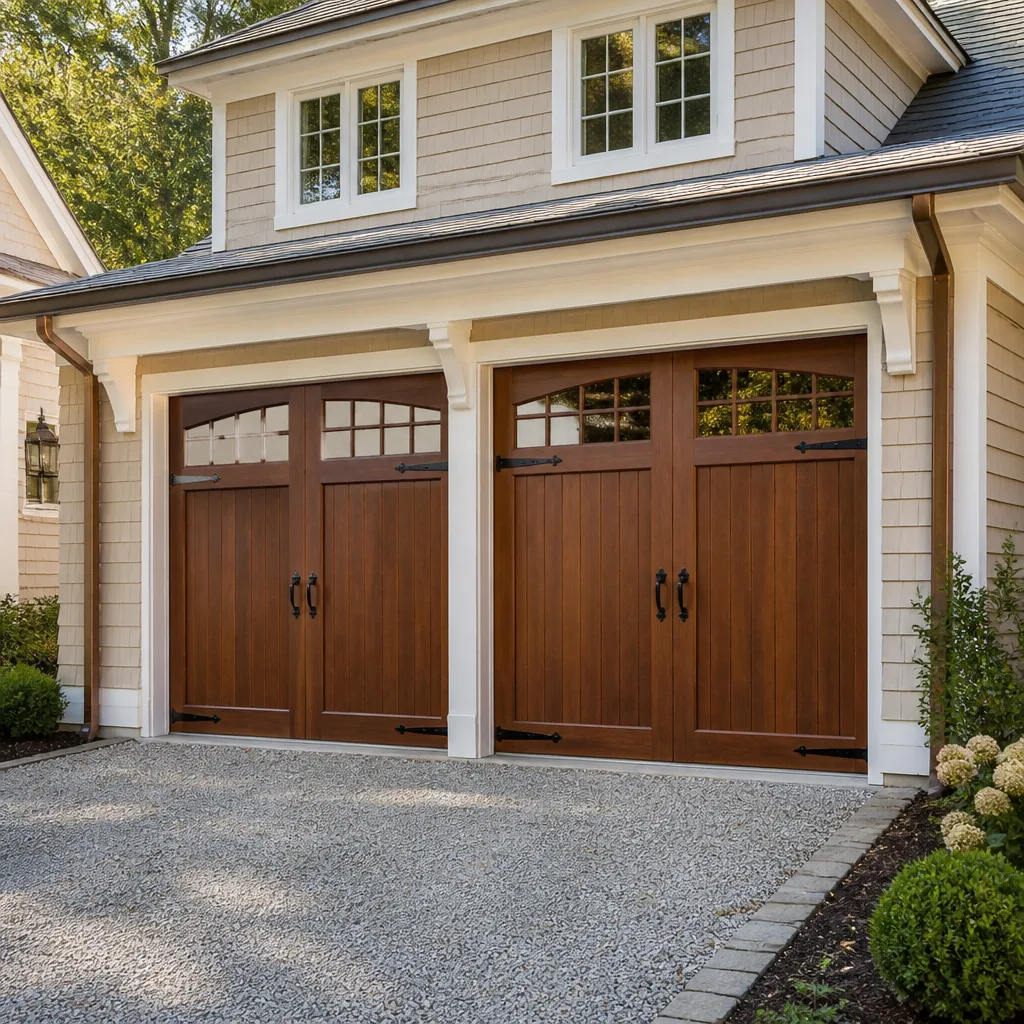 Carriage house
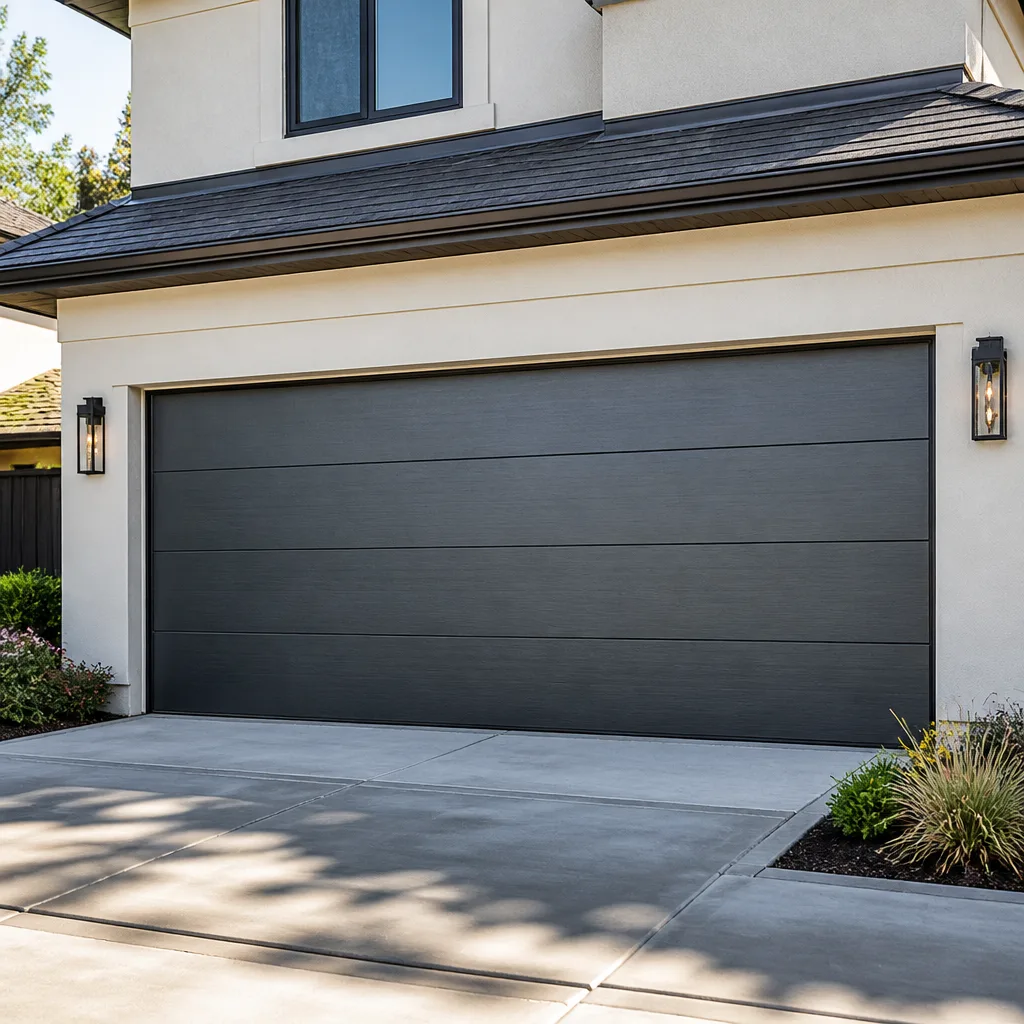 Modern flush
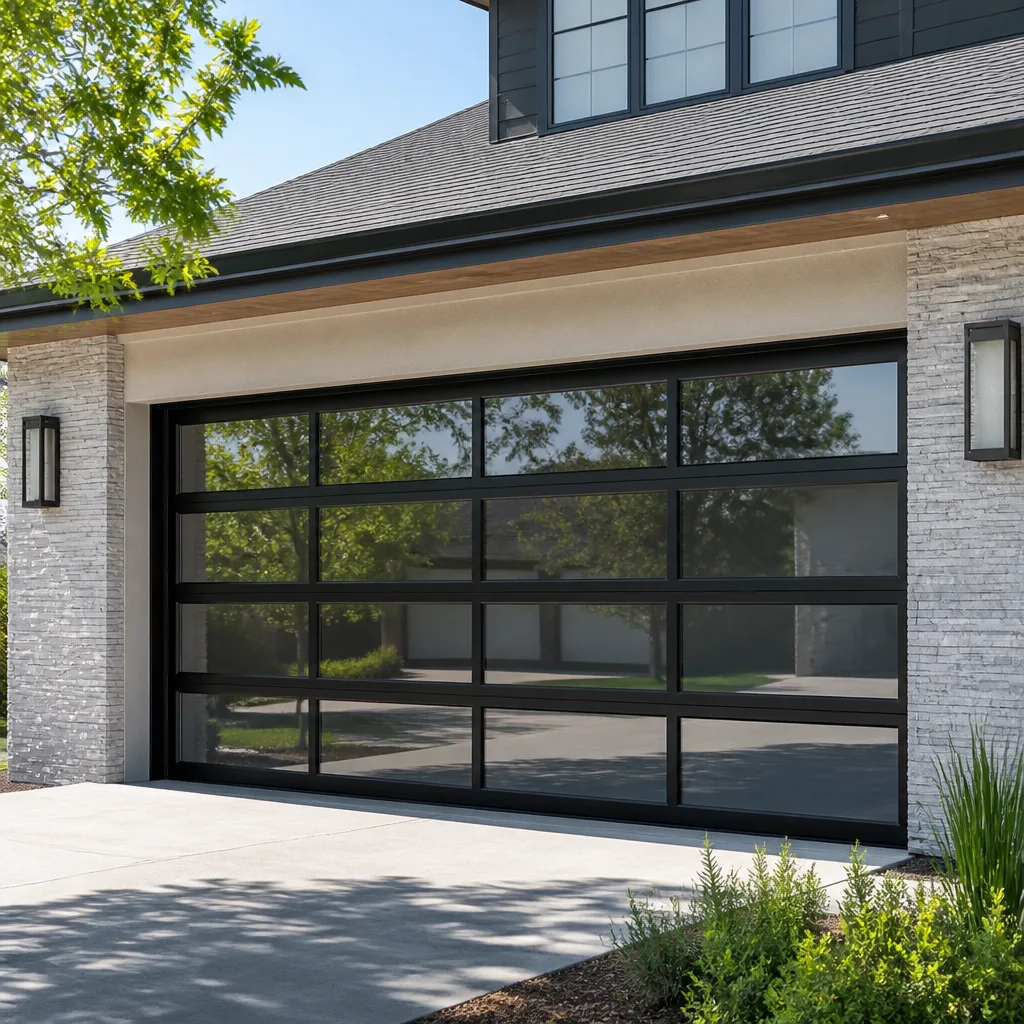 Full-view glass
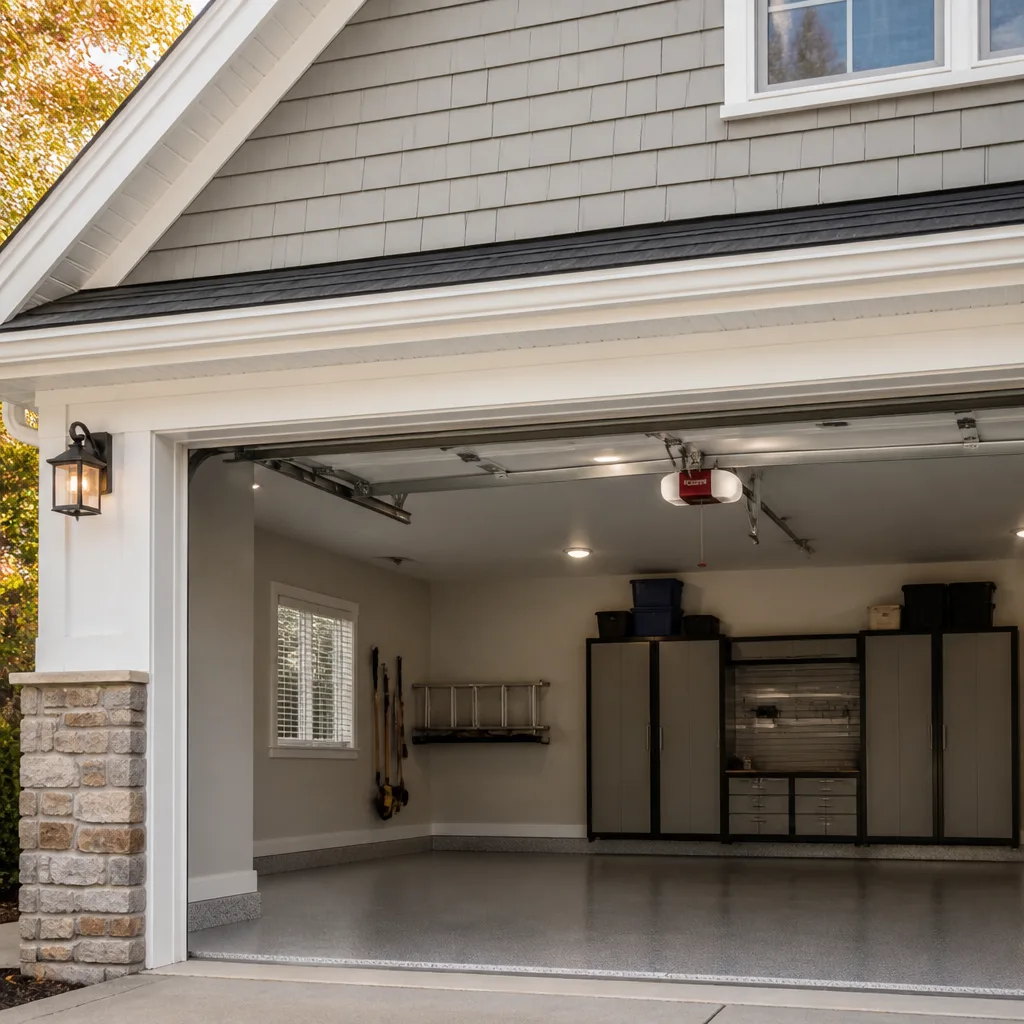 LiftMaster openers
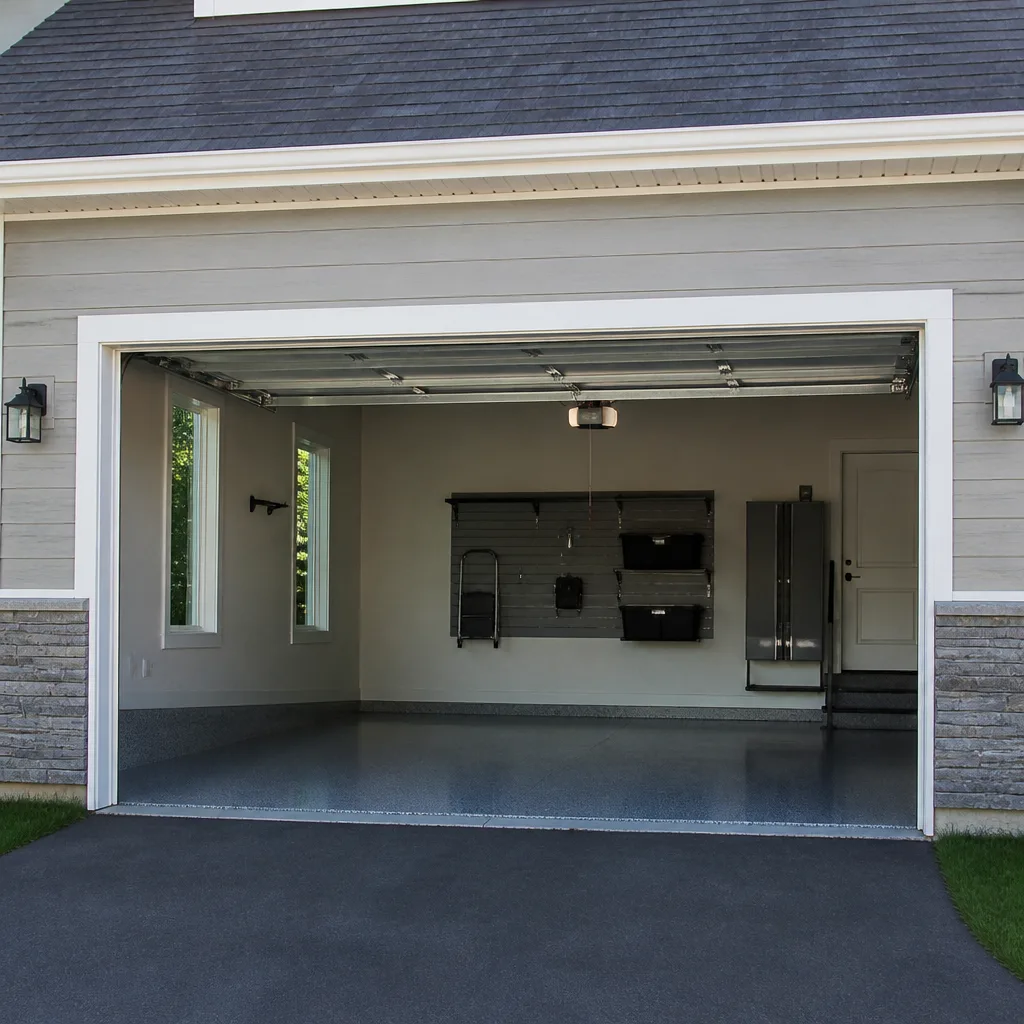 Chamberlain openers
Full 25-point door and opener safety check with every visit - springs, cables, rollers, tracks, and your LiftMaster or Chamberlain opener included
You get a price before we start. It does not change when the pro arrives.
Get your free estimateGarage Door Repair Troubleshooting in Lower East Side: Common Problems and How to Fix Them
A noisy door and a door that won’t open share zero causes in common, yet most troubleshooting guides treat them the same. That’s why homeowners waste money replacing parts that weren’t broken. A grinding sound is almost never a bad opener. A door that reverses halfway down is almost never a spring. If you match the symptom to the right component before you touch anything, you skip the guesswork entirely. In this guide we map the five mechanical categories every garage door failure falls into, explain why Lower East Side doors fail differently from suburban ones, and give you three safe tests you can run before you call anyone.
Quick Answer
Garage door problems in Lower East Side come down to five mechanical systems: springs, cables, rollers and tracks, the opener, and the safety sensors. Match your symptom to the right system before buying any part. Run the manual release pull, the balance test, and the photo-eye check yourself. Anything involving spring tension, cable work, or bottom bracket bolts is a hard stop for DIY, so call a trained technician for those. Everything else is usually a cheap fix or an adjustment.
Styles & brands we work with
- Raised-panel steel
- Carriage house
- Modern flush
- Full-view glass
- LiftMaster openers
- Chamberlain openers
Table of Contents
- The Symptom-to-Cause Matrix: What Your Door Is Telling You
- Why Lower East Side Garage Doors Fail Differently
- Three Safe Tests to Run Before You Call a Technician
- The Hard Stop List: Repairs That Injure DIYers
- Opener Problems vs. Door Problems: How to Tell Them Apart
- How to Describe Your Problem So the Right Parts Show Up the First Time
- Same-Day Repair: What’s Realistic and What Isn’t
- Common Mistakes to Avoid
The Symptom-to-Cause Matrix: What Your Door Is Telling You
Your door already told you what’s wrong. You just need to translate. Most failures announce themselves through sound or movement before they stop working completely, and the specific noise points to a specific component. Here’s how we break it down in the field.
Sounds and what they mean
- Grinding or scraping: usually metal-on-metal contact from worn rollers, a bent track, or a torsion tube that has shifted. On doors hanging on an opener rail, a failing trolley can produce the same noise. Grinding rarely comes from a dead motor.
- Squealing or high-pitched whine: dry rollers, dry hinges, or a worn nylon gear inside the opener. This is a lubrication and parts issue, not a structural one.
- Banging or popping: a torsion spring that has snapped, a stretched extension spring, or a loose hinge. If you hear one loud bang and the door won’t lift, the spring broke.
- Rattling on the way up or down: loose bolts on the hinges or the opener bracket. Usually tightening handles it.
- Clicking that repeats: a failing opener logic board or a stripped gear. The door itself is fine.
Behaviors and what they mean
- Door reverses immediately after touching the floor: the safety sensors or the travel limit setting, not a mechanical failure.
- Door goes up but won’t come down: photo-eye obstruction or a misaligned sensor lens, in most cases.
- Door moves unevenly or hangs on one side: a stretched cable, a broken spring on one side of a pair, or a bound track. This is mechanical and gets worse with use.
- Opener runs but door doesn’t move: a broken spring, a snapped cable, or a disengaged manual release. The motor isn’t the problem here, which surprises most callers.
- Door won’t budge and the opener hums: the same list as above, plus a stripped opener gear.
Write down which category you’re in before you call. It saves a diagnostic step, and on brownstone conversions and walk-up buildings across the Lower East Side, accessing the mechanism can take time, so knowing where to look matters.
Why Lower East Side Garage Doors Fail Differently
Garage doors in Lower East Side buildings aren’t suburban garage doors with a different address. They live in basement-level garages, under stoops, or in shared service areas that were never designed as garages. That environment changes how they fail.
Temperature swings in basement-level garages
Basement garages in Lower East Side buildings stay cooler and damper than the street outside but can swing widely between summer and winter. Steel tracks expand and contract with the temperature, and wood or older metal doors move with them. Doors that worked in July often bind in January because the track shifted a few millimeters. The spring absorbs the stress until it doesn’t. Torsion springs, which do most of the lifting, fatigue faster when they cycle through wide temperature ranges. If your door starts binding in the cold, the track alignment is the first thing to check.
Humidity near the East River
Lower East Side blocks close to the East River run more humid than the interior of Manhattan, especially in basements and ground-level garages. Humidity rusts hinges, rollers, cables, and the chain on a chain-drive opener. It also swells wooden door panels, which then rub against the frame. If your door has started to stick in humid months and free up in dry ones, moisture is doing the damage. Lubrication on a regular schedule reduces it, but rusted cables need replacing, not lubricating.
Vibration from foot and vehicle traffic
Lower East Side blocks carry heavy foot traffic and constant delivery vehicles. The vibration from a busy street works loose hinge bolts, opener brackets, and track anchors over time. This is why a door that ran quietly for months suddenly rattles. It’s also why the fasteners on older buildings can work their way out of brick or masonry. A door that has started moving unevenly often has a loose track anchor, not a failing spring.
Three Safe Tests to Run Before You Call a Technician
You can run all three of these in under five minutes. None of them require you to touch a spring, a cable, or the mechanism under tension. They narrow the problem down to a category and tell you whether you’re looking at a $15 part or a technician visit.
Test 1: The manual release pull
- Close the door fully and make sure no one is standing under it.
- Pull the red release cord hanging from the opener trolley. You’ll feel the door disengage from the opener.
- Lift the door by hand about halfway, then let it go.
- If it stays up easily, the door’s mechanical balance is fine and the problem is likely the opener or the sensors.
- If it feels heavy, drops, or won’t stay up, the spring or cable has failed and you shouldn’t run the opener again.
Reconnect the door by running the opener until the trolley clicks back in. If the door is too heavy to lift, leave it disengaged and call for help. Don’t force it.
Test 2: The balance test
With the door disconnected from the opener, lift it to the halfway point and let it rest. A balanced door sits there without moving. A door that falls means the springs are weak or broken. A door that rises on its own means the springs are set too tight. Either way, it’s a spring adjustment job. Never try to adjust the springs yourself; more on that below.
Test 3: The photo-eye alignment check
Look at the two small sensors mounted near the floor on each side of the door. Each has a small LED. If one is dark or flashing, the sensors are misaligned or blocked. Wipe the lenses, check that nothing is in the beam path, and gently nudge each sensor until both lights come on solid. Press the wall button. If the door now closes, you found the problem. If the door closes partway and reverses, the issue is the travel limit setting or a damaged sensor, and a technician should take a look.
The Hard Stop List: Repairs That Injure DIYers
Some of what you read online about DIY garage door repair is dangerous. Not difficult, dangerous. Three repairs cause the most serious injuries each year, and every one of them should stay off your list. We say this not to sell you a repair but because we’ve seen what happens when these go wrong.
Torsion springs
A torsion spring stores the full weight of the door under tension. On a typical residential door, that’s hundreds of pounds of force. If the spring is broken and you try to wind or replace it, you’re working against a load that can release violently. If it’s still intact, loosening the set screws without the right winding bars can turn the entire assembly into a spinning projectile. This is the single most dangerous repair in the trade, and it’s the reason spring repair is a specialized service.
Cables
Lift cables run under hundreds of pounds of tension. A frayed cable can snap when handled, and a snapped cable whips with enough force to cut through clothing and skin. If you see a frayed cable, don’t touch it and don’t run the door. Call for service.
Bottom bracket bolts
Bottom brackets hold the lift cables to the door. The bolts on those brackets are under cable tension. Loosening them without first relieving the tension can release the entire cable assembly. This is a common injury and one that very few guides mention.
If you’re looking at a repair on this list, we can help. Our team handles spring repair as a dedicated service, and technicians work on Raynor and LiftMaster systems as well as everything in between. For garage door repair in Lower East Side, call us and we’ll get you an estimate.
Opener Problems vs. Door Problems: How to Tell Them Apart
A humming opener with a door that won’t move means the door is the problem. An opener that runs but nothing happens at the door means the trolley is disengaged. A quiet opener that won’t respond to the remote is usually the remote, the battery, or the logic board. Getting this wrong is the most common reason homeowners replace a perfectly good opener.
Signs the opener is the problem
- The door runs fine by hand but the motor won’t lift it.
- The opener hums or clicks but nothing moves and the door is properly engaged.
- The light flashes but the door never moves.
- The remotes stop working and the wall button still does (or vice versa).
- The unit is a smart-home compatible model and the app has stopped pairing.
Signs the door is the problem
- The door runs hard when disconnected from the opener.
- It sags on one side.
- It lifts partway and stops, which usually means a spring has lost tension.
- It hangs on a track, which you can see if one roller has left the track.
Once you’ve decided the opener itself is at fault, the model matters. We work on LiftMaster and Chamberlain models regularly, plus Genie and Craftsman on the entry-level side. If you have a smart-home setup, mention it when you call. Some models can be repaired rather than replaced, and knowing which is worth fixing starts with the model number. We’ve built a whole page on garage door opener repair if you want more detail.
How to Describe Your Problem So the Right Parts Show Up the First Time
Most return visits happen because the technician didn’t have the right part. We’ve found that when a customer calls with a clear description, the first visit fixes it. Here’s what to have ready before you dial.
- Model and brand of the opener. The model sticker is usually on the back of the motor housing or under the light cover. If you can read it, read it. If you can’t, tell us the brand.
- Year your door was installed, if you know it. A rough decade (“it’s from the 80s”) is enough to narrow parts.
- The symptom in plain terms. “It grinds on the way up and stops a third of the way” beats “it’s broken.”
- What you’ve already tried. If you ran the manual release test, tell us what happened.
- Whether the door is stuck open or stuck closed. This changes the urgency and what the technician brings.
- Access details. In Lower East Side walk-ups and shared garages, the technician may need to know about a narrow alley, a low clearance, a shared door, or a service entrance. Tell us up front.
A rough weight for the door helps too. A single-car door weighs less than a double, and heavier custom doors need different springs.
Same-Day Repair: What’s Realistic and What Isn’t
Some repairs are same-day. Some aren’t, and telling you otherwise wastes your time. Here’s the honest split, based on how we handle calls in Lower East Side.
Usually same-day
Spring replacements on standard doors, cable replacement, roller and hinge swaps, sensor realignment, opener adjustments, track straightening, and opener repair on common LiftMaster and Chamberlain models. These are the jobs most likely to fit into a same-day window because the parts are common and the fix is mechanical.
Usually not same-day
New door installation, full opener replacement on non-standard models, custom panel replacements, and anything requiring a special-order part. Installation is a measured, ordered, scheduled job. There’s no way to install a door you don’t have yet, and we won’t pretend otherwise. If you’re planning a new door, we’ll come out, measure, and give you a written price before anything is ordered. We’ve covered the process in detail on our garage door installation page.
The middle ground
Commercial doors and heavy custom doors sometimes land in the same-day category for repairs and in the scheduled category for major work. It depends on the model and what’s wrong. Ask when you call; we’ll tell you honestly whether it’s today or it’s this week. Our team handles Repairs across brands like Raynor and LiftMaster, plus Chamberlain and Genie. If you’re not sure what you have, describe it and we’ll narrow it down.
Common Mistakes to Avoid
- Replacing the opener when the door is the problem. A humming opener with a stuck door points to the door, not the motor. Most “dead openers” we see are fine and the spring is broken.
- Lubricating rusted cables instead of replacing them. Rusted cables are a safety issue in Lower East Side basements where humidity is high. Grease doesn’t fix a frayed cable; it just hides it.
- Tightening the spring winding cone yourself. Never. This is the number-one cause of serious DIY injuries on garage doors, and the risk isn’t worth the money saved.
- Ignoring a slow-moving door. In an older Lower East Side building, a door that starts hanging on one side is usually telling you a track anchor has loosened or a cable has stretched. Left alone, it will bind and eventually stop working partway, usually when you’re in a hurry.
- Forcing a stubborn door with the opener. If the door is binding and you keep pressing the button, the opener’s gears take the load. That turns a $60 part into a motor replacement.
- Buying a random opener from a big box store before checking compatibility. A door with non-standard weight needs the right opener rating. Bring your door details, not just the old opener’s brand.
- Running the door with the sensors misaligned. A door that reverses halfway down is a safety feature, not a bug. Blocking the sensors to “fix” it removes the protection.
See the difference
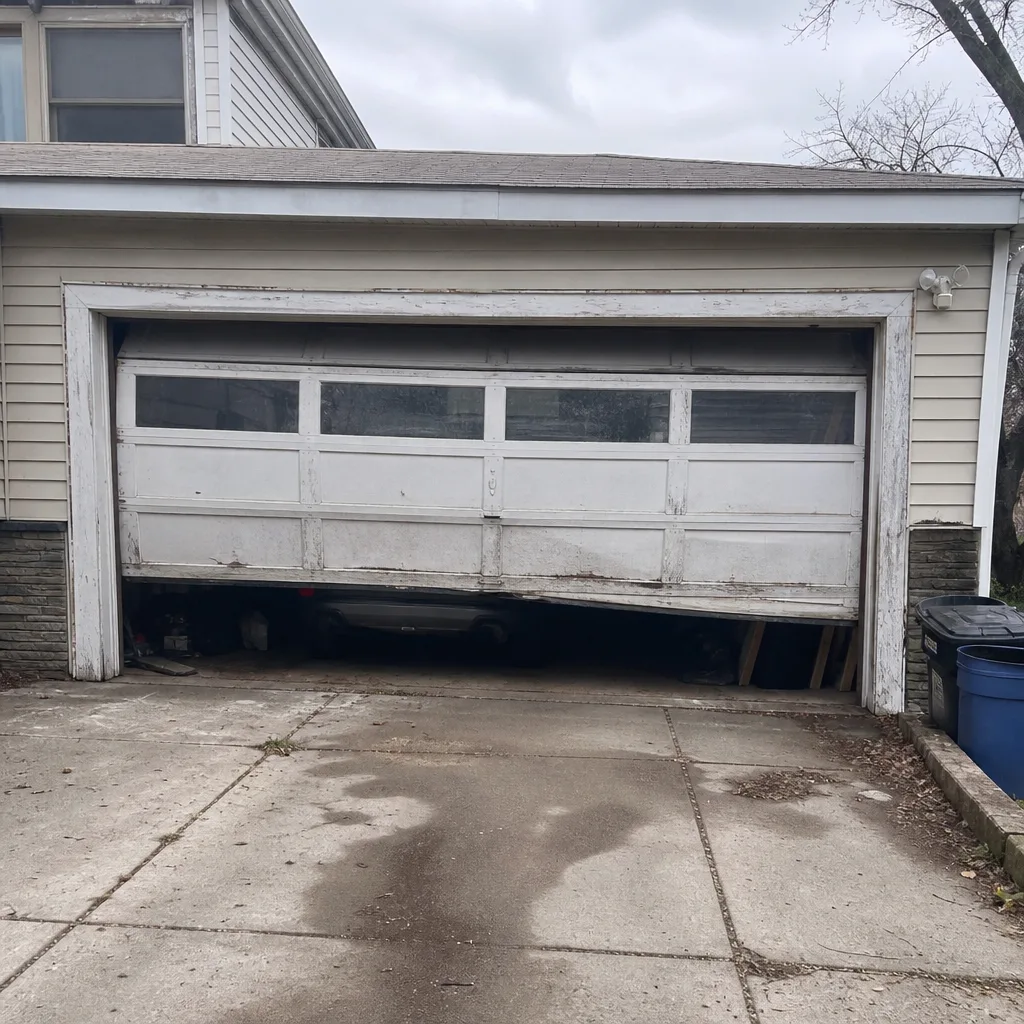 Before
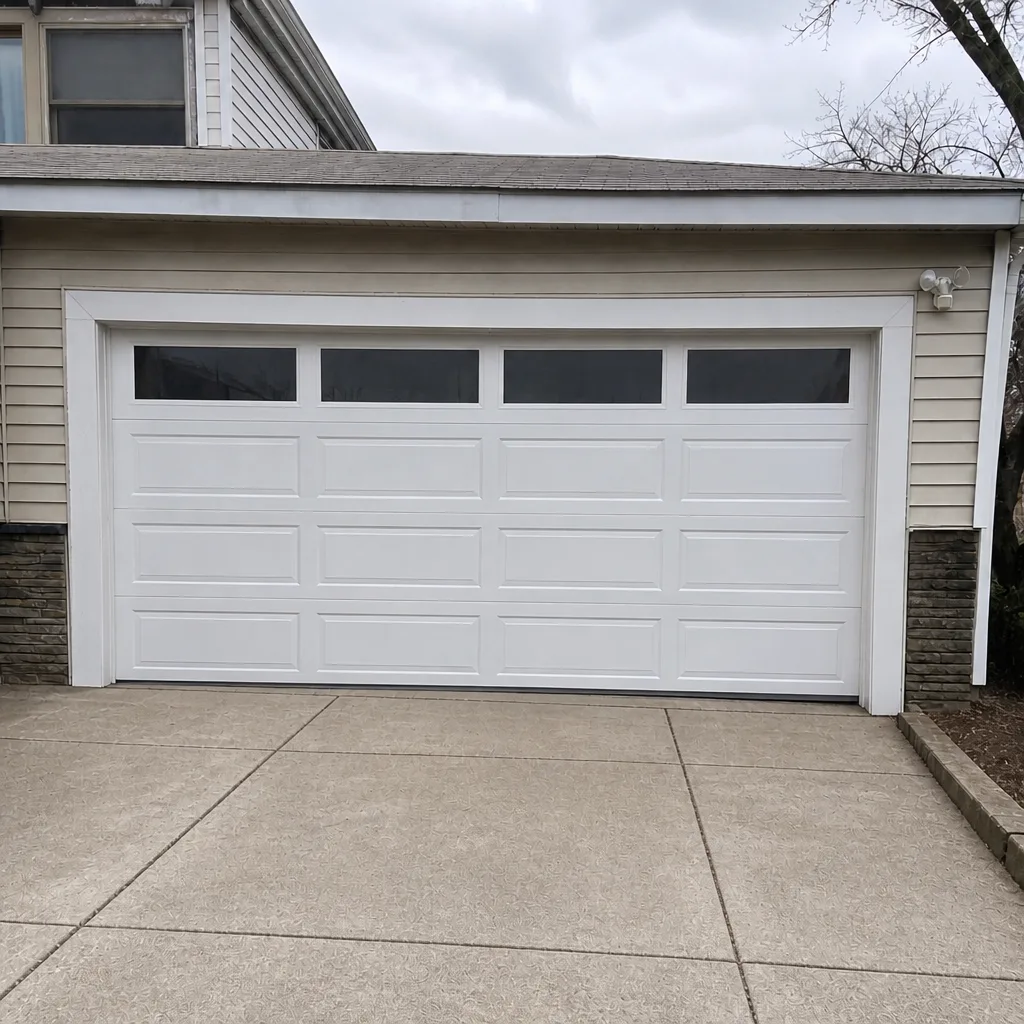 After
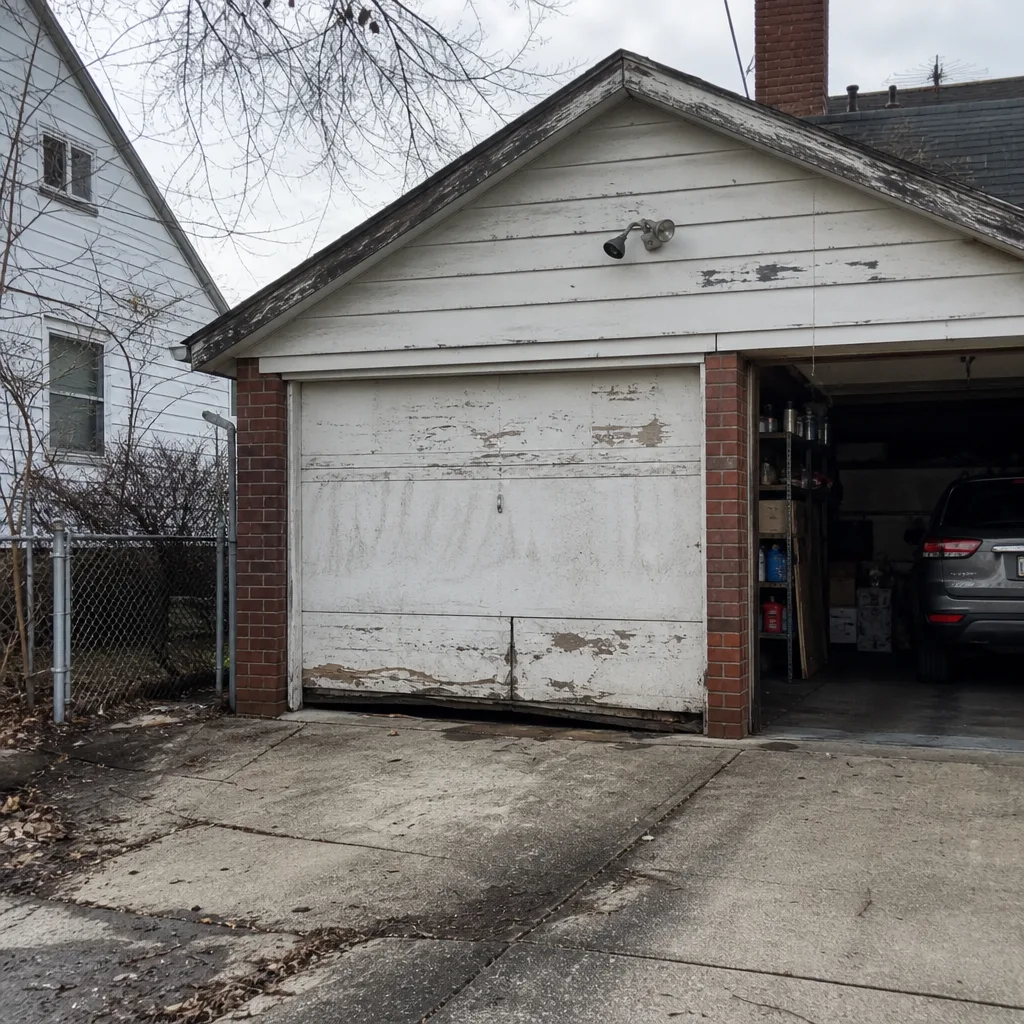 Before
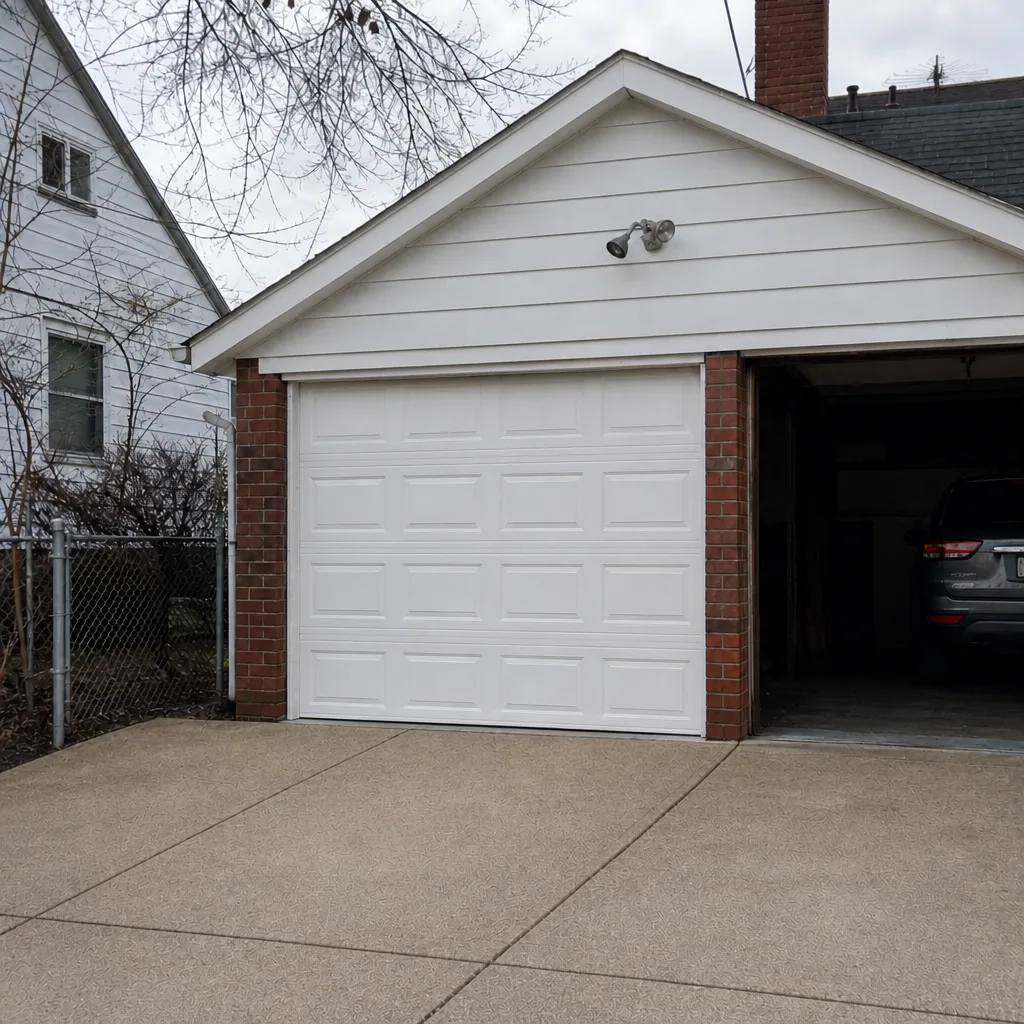 After
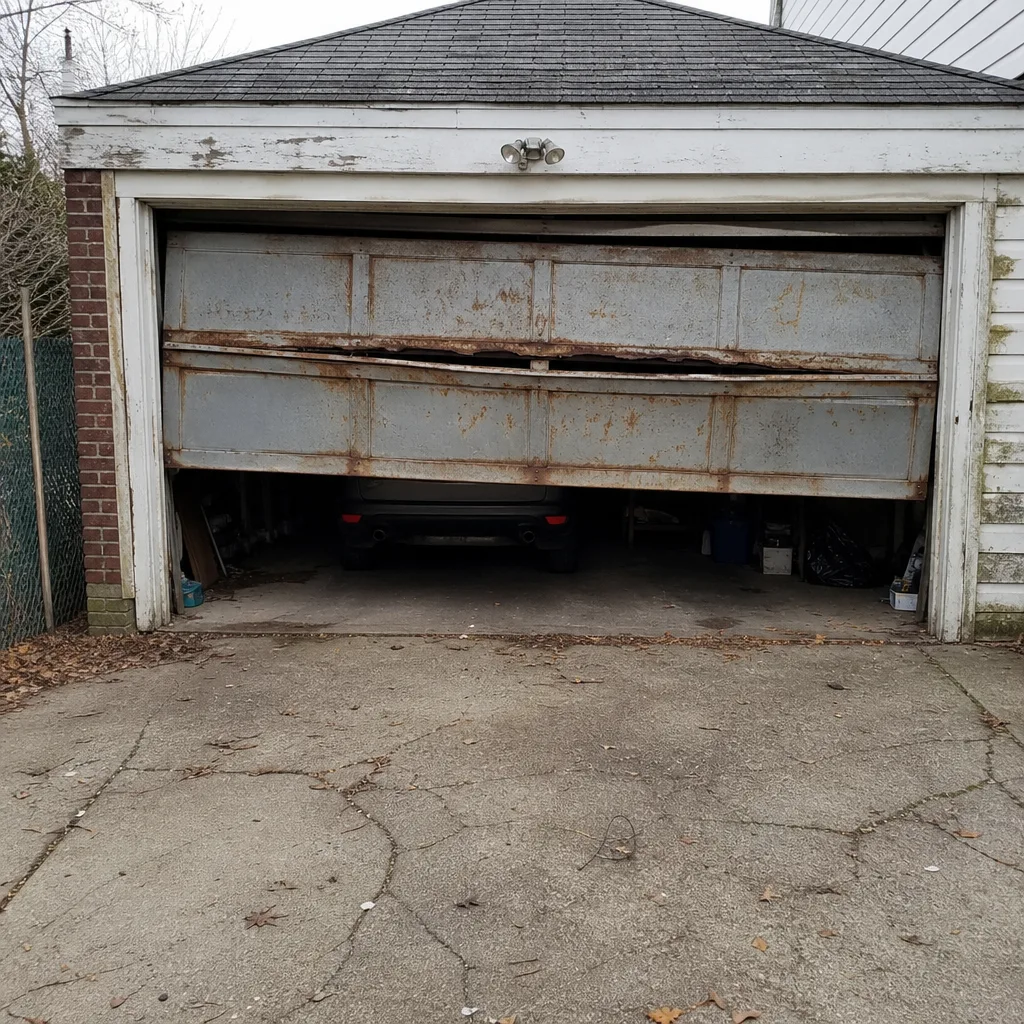 Before
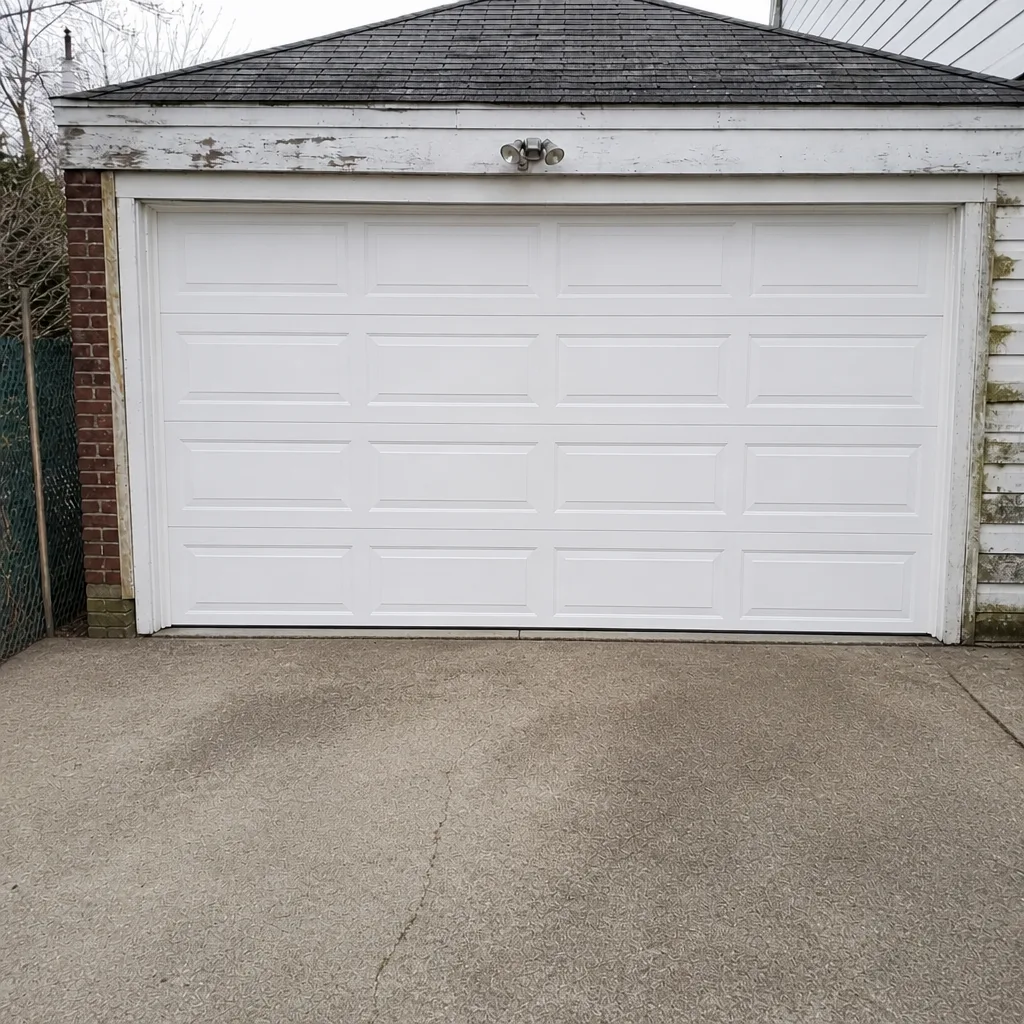 After
When to Call a Professional
Call a technician when the door won’t stay up on the balance test, when you can see a broken spring or a frayed cable, when the door is hanging on one side, when the opener is making a sound it didn’t make before it failed, or when the door is stuck open and can’t be secured. Also call if the door is stuck in a way that leaves your home unsecured, which happens a lot with basement-level garage doors in Lower East Side buildings. Garage Door Repair Lower East Side offers free estimates in Lower East Side. Call (866) 937-7379. We answer 24/7, with fast dispatch from 7am to 7pm. Our technicians have up to 13 years of experience, and they’ll tell you what’s wrong and what it costs before any work starts.
Frequently Asked Questions
Garage door repair in Lower East Side depends on the failure, not the address. A sensor alignment or lubrication job is on the low end; a spring replacement is a mid-range job; a full opener replacement runs higher. We estimate each job in writing before any work starts. Call (866) 937-7379 for a free estimate; the price you get is the price you pay unless you approve a change.
No. Torsion springs hold the full weight of the door under tension and can release with enough force to cause serious injury. Winding bars are the only safe tool and the process requires knowing exactly where the tension is. This is the one repair we won’t walk you through over the phone. Call us instead.
Your safety sensors are misaligned, blocked, or faulty. The door is using the reversing feature as intended. Check the two sensors near the floor; each should have a lit LED. Wipe the lenses, clear the beam path, and adjust each sensor until both lights come on. If the door still reverses, the sensor is damaged or the travel limits are off, which a technician should sort.
Worn rollers, a bent track, or a failing opener trolley are the usual causes. Grinding is metal-on-metal contact, which means something is rubbing that shouldn’t be. It’s rarely the motor. A technician can usually tell from the angle of the binding whether it’s a roller, a track, or the trolley.
Check the back of the motor housing or under the light cover for the model sticker. Most openers print the brand and model there. If you can’t find it, look at the wall button shape and the type of rail; experienced technicians identify them quickly from a photo. Our team works on LiftMaster, Chamberlain, Genie, Clopay, Amarr, Wayne Dalton, Craftsman, and Raynor, so your system is covered.
We answer the phone 24/7. Technicians are dispatched Sunday through Friday, 7am to 7pm, and we’re closed on Saturday. If a door fails outside dispatch hours, call and we’ll book you into the next opening. The written estimate is the same; urgent work doesn’t arrive with a different price. Call (866) 937-7379 for details.
The Bottom Line
Most garage door problems come down to five mechanical categories: springs, cables, rollers and tracks, the opener, and the sensors. Match the symptom to the category before buying parts. Quiet problems, uneven movement, and doors that hang on one side are mechanical and get worse with use. Loud noises and reversing doors are usually cheap fixes. Run the three safe tests. Stay away from springs, cables, and bottom bracket bolts. Then call a technician with your model and a clear description. Our team at Garage Door Repair Lower East Side handles everything from a stuck door to a full upgrade. Call (866) 937-7379 for a free estimate. We answer 24/7, with fast dispatch from 7am to 7pm, Sunday through Friday.
Written by the team at Garage Door Repair Lower East Side.