
Last updated November 21, 2026
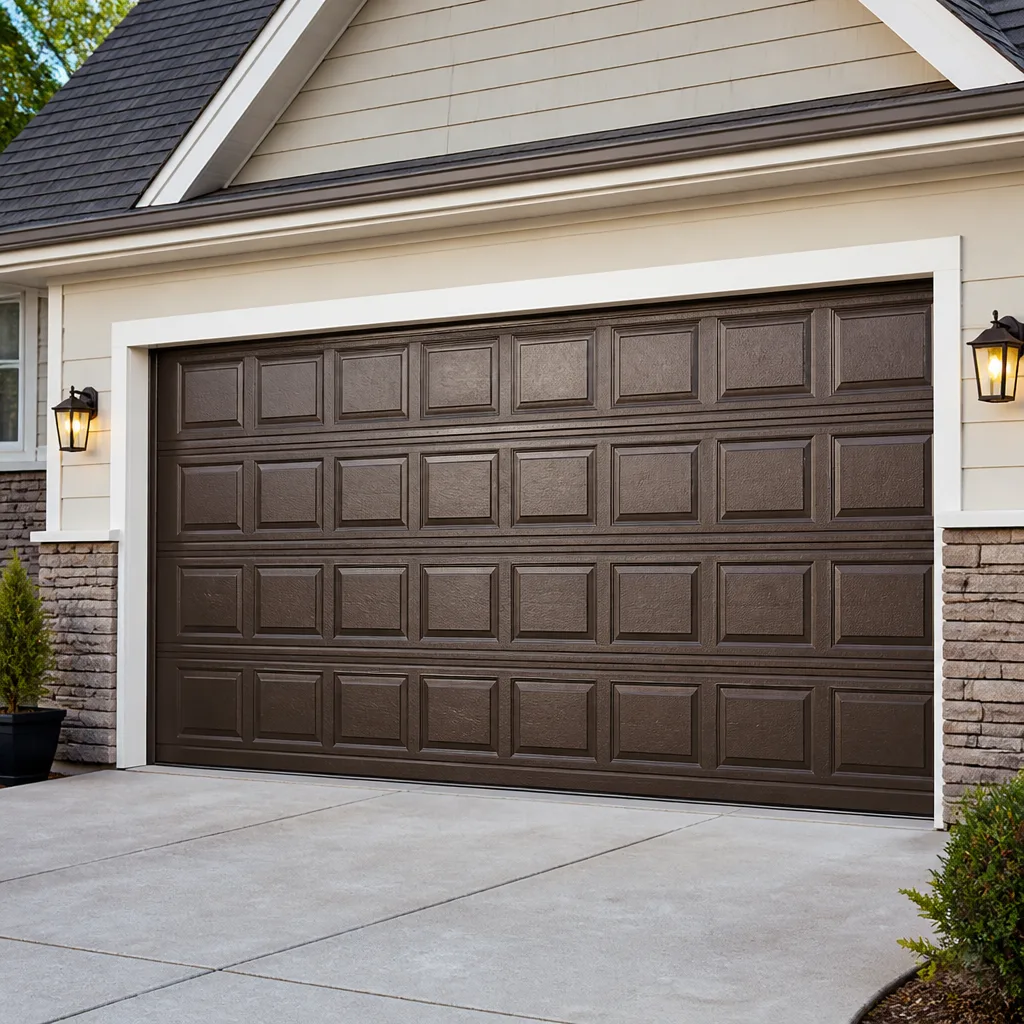 Raised-panel steel
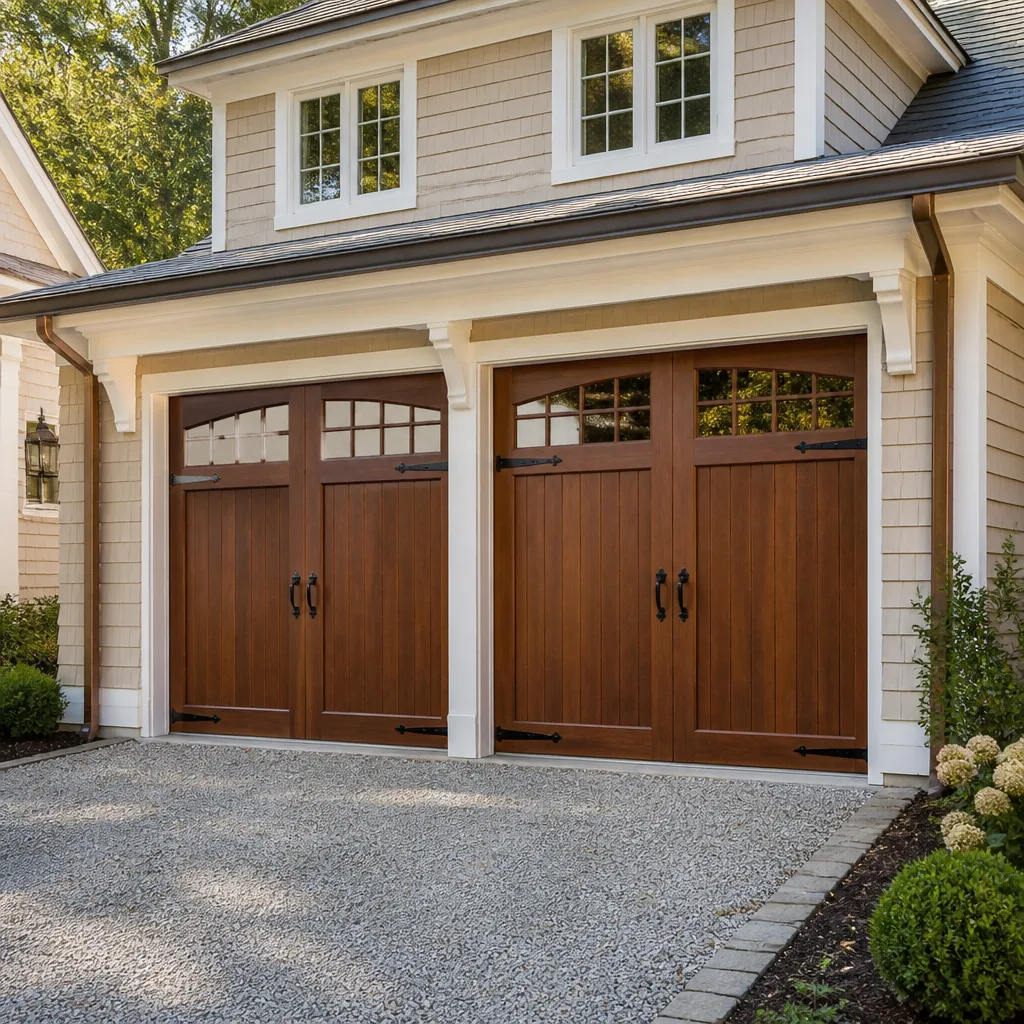 Carriage house
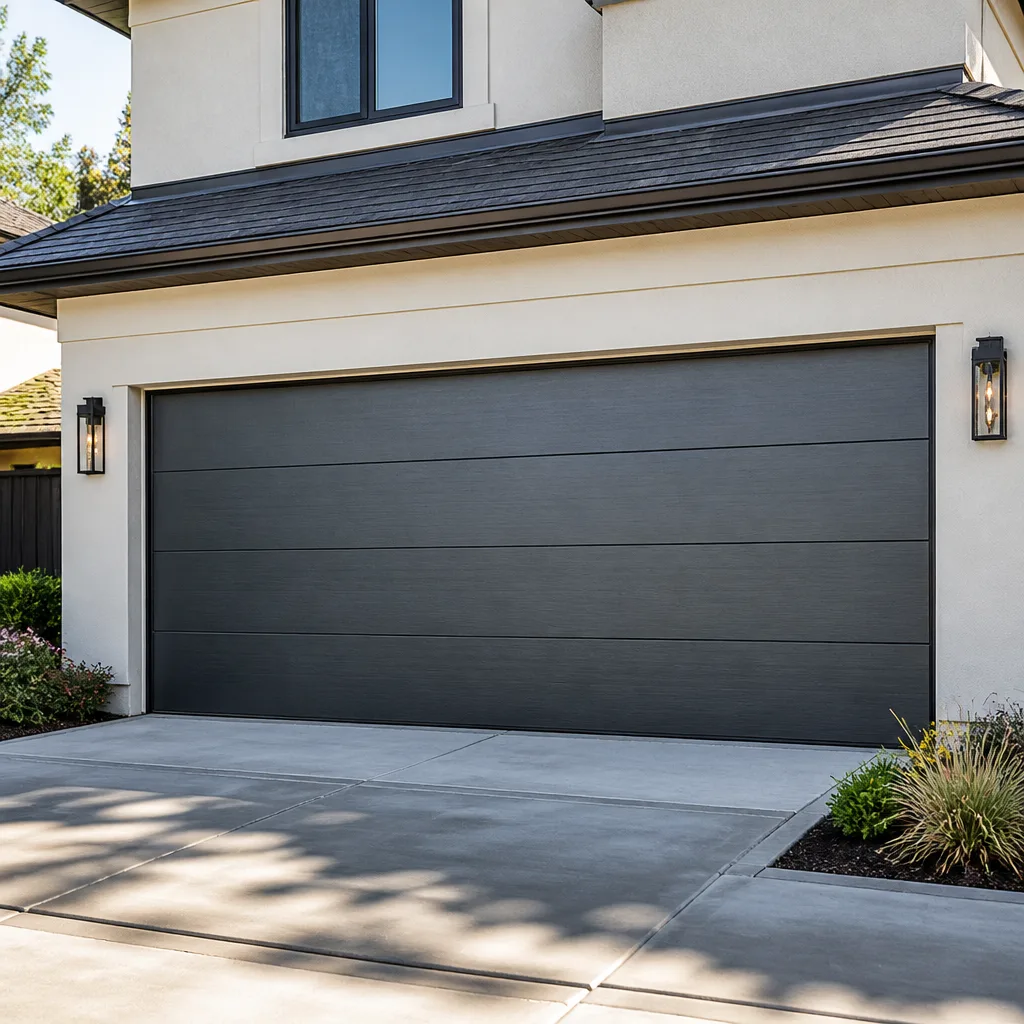 Modern flush
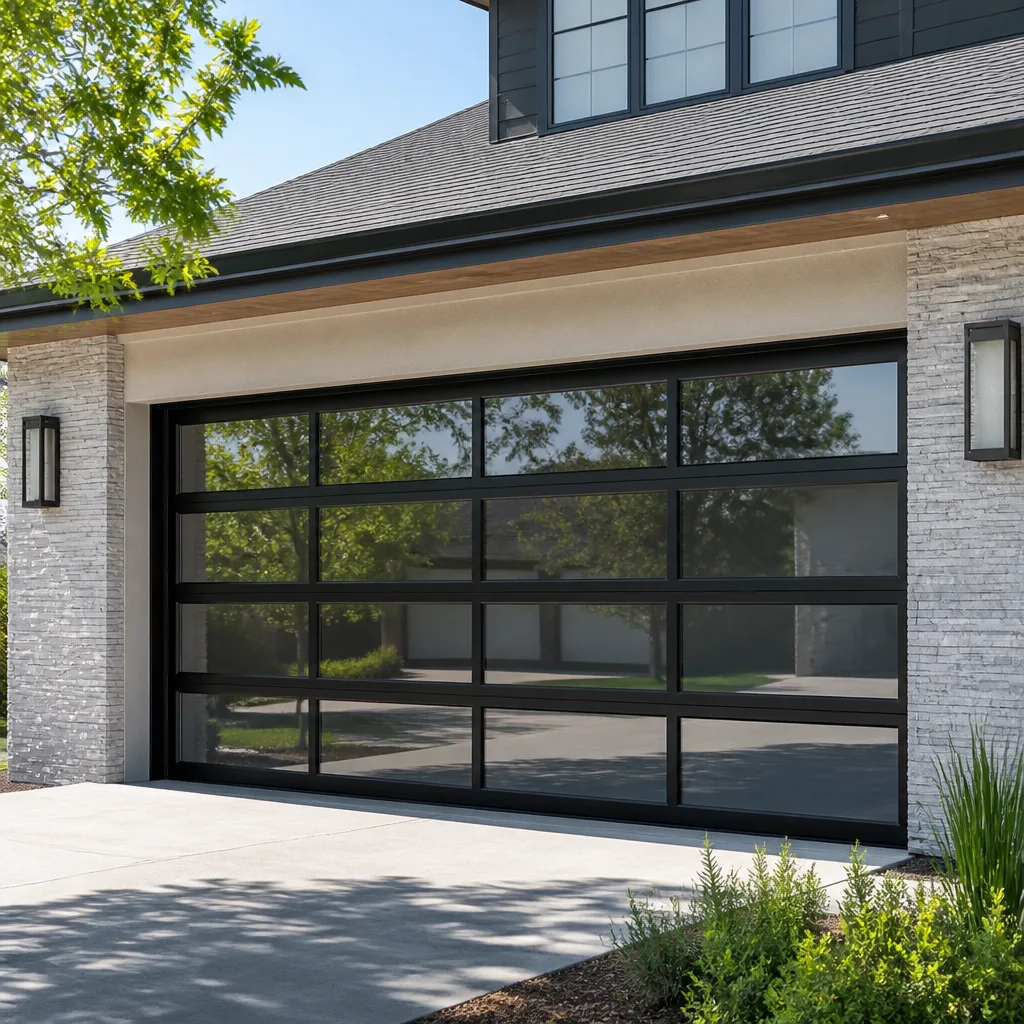 Full-view glass
 LiftMaster openers
 Chamberlain openers
Full 25-point door and opener safety check with every visit - springs, cables, rollers, tracks, and your LiftMaster or Chamberlain opener included
You get a price before we start. It does not change when the pro arrives.
Get your free estimateGarage Door Warning Signs: A Lower East Side Homeowner’s Reference Guide
If your garage door has been making the same grinding noise for six months, you haven’t adapted to it. You’ve been delaying a repair that now costs more because the worn component has damaged the part next to it. Lower East Side homeowners live with more ambient noise than almost anyone in the city – delivery trucks, the subway rumble, scaffolding crews, neighbors’ HVAC units. That constant background hum trains you to tune out mechanical sounds that a homeowner in a quiet suburb would catch in a week. This guide recalibrates what “normal” should actually sound and feel like, so you can tell the difference between a door that’s working and a door that’s about to fail.
Quick Answer
The warning signs a Lower East Side homeowner should never ignore are: a torsion spring with a visible gap or bend, a door that reverses on its own, grinding or popping sounds during travel, an uneven gap at the floor, and rust streaks on the inside panel. Any one of these means the door needs a professional look before it fails completely. Sounds that repeat every cycle for more than a few days are the earliest and most reliable signal that something is wearing out.
Styles & brands we work with
- Raised-panel steel
- Carriage house
- Modern flush
- Full-view glass
- LiftMaster openers
- Chamberlain openers
Table of Contents
- What Your Door’s Sounds Are Telling You
- Visual Warning Signs Urban Homeowners Miss
- Opener Behavior Changes That Signal Mechanical Problems
- Cold Weather vs. Warm Weather: When Slow Is Normal and When It’s Not
- The One Sign That Means Call Immediately
- How Street Vibration Wears Down LES Doors
- Brand-Specific Signals: LiftMaster, Chamberlain, Genie, and Raynor
- Warning Signs That Mean Repair vs. Replace
What Your Door’s Sounds Are Telling You
Sound is the first diagnostic tool, and it’s free. Every garage door makes some noise – the question is whether the noise has changed. In our experience working on Lower East Side doors, homeowners often can’t remember when a sound started because the neighborhood is loud enough to mask it. Here’s how to separate the three sounds that matter most.
Scraping. A metallic scrape that runs the full length of the door’s travel usually points to track misalignment. The roller is rubbing against the side of the track instead of rolling cleanly inside it. In older Lower East Side buildings, where door frames have settled and shifted over decades, track alignment drifts more than most people realize. A scrape that gets louder toward one end of the travel is a strong sign the track has moved out of plumb.
Popping. A sharp pop, especially near the top of the door or right as the door starts to move, points to spring stress. Torsion springs under load can pop as the coils bind and release. This is the sound that most deserves a same-day call, because a spring that’s popping is a spring that’s closer to breaking than it was yesterday. Never try to inspect a torsion spring yourself up close – the tension stored in a wound spring can cause serious injury, and this is work for a trained professional.
Rattling. A loose, jangling rattle as the door moves is usually hardware – hinge bolts, roller stems, the bracket that holds the opener arm. In Lower East Side buildings, the constant vibration from street traffic and subway lines works bolts loose faster than in quieter areas. A rattle is rarely urgent on its own, but it accelerates wear on everything it touches.
How to Run a Two-Minute Sound Check
- Stand inside the garage or just outside the door and listen to one full open cycle without talking or moving.
- Note where in the travel each sound occurs – start, middle, or end.
- Run one full close cycle and compare. Does the same sound appear in the same place?
- Ask yourself honestly: has this sound been there for more than a week? If yes, it’s a pattern, not a fluke.
- If you heard a pop near the spring, stop running the door and call for service.
If the sound check turns up scraping or rattling that’s been going on for a while, garage door repair is usually a same-day fix when you catch it at this stage.
Visual Warning Signs Urban Homeowners Miss
Most Lower East Side homeowners look at their garage door every day and never really see it. The door goes up, the door goes down, and the eye skips over details that would stand out immediately on a quiet suburban street where the door is the most prominent thing on the house. These are the subtle visual signs worth a deliberate look once a month.
- An uneven gap at the bottom. Close the door and look at the line where it meets the floor. A gap that’s wider on one side means the door is out of balance or the track has shifted. In Lower East Side buildings, uneven floors and settled thresholds make this common, but a gap that’s new or growing is a mechanical warning, not just a draft.
- The door sits slightly off-center. Stand back and look at the door relative to its frame. If one side is closer to the frame than the other, the door is tracking wrong. This puts uneven stress on the springs and the opener.
- Rust streaking on the inside panel face. Rust on the inside of the door – the face you see when the door is open – usually means moisture is getting trapped somewhere it shouldn’t, often at the bottom seal or around hinges. In a dense neighborhood where the door faces an alley or a shared courtyard with poor drainage, this shows up faster than people expect.
- Bent or worn rollers. With the door closed, look at the rollers in the track. Flat spots, cracks, or rollers that sit crooked all point to wear that will spread to the track.
- Sagging panels. A panel that bows slightly is often a sign of impact damage that wasn’t repaired, or a hinge that’s pulling loose.
None of these signs means the door is about to fall, but each one shortens the life of a part next to it. A gap at the bottom lets in weather that rusts the bottom section. An off-center door wears the rollers on one side. The pattern is always the same: one small problem quietly damages the component beside it. Catching the visual signs early is the cheapest repair you’ll ever make. If a panel is bent or the door itself is beyond straightening, garage door installation may be the better path, but a technician can tell you which you’re facing.
Opener Behavior Changes That Signal Mechanical Problems
Your opener is smart enough to tell you something is wrong before the door fails – you just have to know what changed. The three behavior shifts below are the most common early warnings we see on Lower East Side doors, and each one points to a different underlying issue.
The Door Reverses Without an Obstruction
If your door goes down, hits nothing, and goes back up, the safety system is triggering. It could be a misaligned photo-eye, but on an older door it’s often a sign that the door is binding in the track and the opener reads the resistance as an obstruction. That binding is the real problem. Left alone, it strains the opener motor and the springs.
The Opener Runs Longer Before Stopping
A door that used to stop crisply at the top now runs a second or two longer, or hunts at the bottom before settling. That’s usually a sign of increased resistance – worn rollers, a dry or dirty track, or a spring that’s lost some tension. The opener is working harder to finish the cycle, and that extra work shows up as heat and wear inside the motor.
The Remote’s Range Is Shrinking
A remote that used to work from down the block now only works when you’re right in front of the door. Sometimes that’s just a dying remote battery. But if a fresh battery doesn’t fix it, the opener’s receiver or antenna connection is often the cause. On modern LiftMaster and Chamberlain units, the logic board handles the receiver, and a weakening receiver is an early sign the board is aging. That’s a straightforward garage door opener repair before the opener stops responding entirely.
How to Check Opener Behavior
- Watch one full cycle and note whether the door moves smoothly or stutters.
- Test the safety reverse by placing a small object in the door’s path – the door should reverse on contact.
- Time how long the door takes to complete a cycle. If it’s noticeably slower than it was a month ago, that’s your signal.
- Try the remote from a consistent distance and see if the range has changed.
- Listen for the motor laboring – a strained hum during travel points to resistance in the door itself.
Cold Weather vs. Warm Weather: When Slow Is Normal and When It’s Not
A garage door that moves sluggishly in a cold snap is usually fine. A garage door that moves sluggishly in warm weather is usually not. That distinction matters more in New York than most people realize, because the temperature swings here are hard on the grease and the springs.
Winter slow is normal. Cold thickens the lubricant in the rollers and tracks, and metal contracts slightly. A door that’s a little stiff on a freezing morning and loosens up after a cycle or two is behaving the way it should. Torsion springs also lose a small amount of tension in the cold, which is why doors can feel heavier in January. If the door returns to normal once the temperature rises, there’s nothing to fix.
Summer slow is a warning. When it’s warm, the grease should be flowing and the metal should be at its most cooperative. A door that’s slow, straining, or noisy in July is telling you something is wrong – worn springs, a failing opener capacitor, or binding rollers. Warm-weather sluggishness doesn’t get better on its own. In our experience, summer is when the doors that have been quietly declining all year finally show it.
There’s a third pattern worth knowing: a door that’s slow year-round. That’s not a seasonal issue at all. It’s a mechanical one that’s been building, and the seasons just make it more or less obvious. If the door has never been quite right and now it’s worse, that’s the door asking for service. On a LiftMaster or Genie system, a technician can often tell in a single visit whether the opener or the door hardware is the root cause.
The One Sign That Means Call Immediately
There is exactly one warning sign on a garage door that should stop you from using the door at all: visible separation or bending in a torsion spring. If you can see a gap in the coil, a spring that’s bent out of shape, or a spring that looks like it’s come unwound unevenly, stop operating the door and call for service.
Here’s why this one is different. A torsion spring stores enormous energy. When a spring is compromised, the door can drop suddenly, and the spring itself can fail violently. This is the single most dangerous component on a residential garage door, and it’s the reason spring repair is work for a trained professional – not a weekend project. We don’t give step-by-step instructions for spring work because the risk to someone without training and the right tools is real. What you should do is simple: keep the door closed, don’t try to force it, and get a technician out.
Other signs that also deserve an immediate call:
- The door is hanging unevenly with one side visibly lower than the other.
- A cable has come off its drum or looks frayed.
- The door comes down hard or free-falls when you release the opener.
- A loud bang came from the garage and the door no longer opens smoothly.
For any of these, call (866) 937-7379. We answer 24/7. Fast dispatch from 7am to 7pm, Sunday through Friday, and a call outside dispatch hours is booked into the next opening. Spring failure doesn’t wait for a convenient morning, and a door that won’t close leaves your building exposed. Getting a trained technician to the door the same day is the right move.
How Street Vibration Wears Down LES Doors
Lower East Side doors live in a harsher mechanical environment than most. The neighborhood’s constant movement – delivery trucks, subway lines underfoot, construction and renovation that seems to move block to block – sends continuous low-grade vibration through building structures. That vibration does something specific to a garage door: it works fasteners loose.
Every bolt, hinge screw, and bracket on the door and the track is subject to a slow, steady shake. Over months, a bolt that was torqued properly backs out a fraction of a turn. Multiply that across a dozen fasteners and you get a door that rattles, tracks unevenly, and puts more stress on the opener. This is why the “rattle” sound from the section above shows up so often in Lower East Side buildings. It’s not that the doors are worse – it’s that the environment is harder on them.
What this means for you: a visual and hardware check once a month is worth more here than in a quieter area. Run your hand along the hinges and brackets with the door closed and feel for anything loose. If you find bolts that won’t stay tight after a few attempts, that’s a sign a fastener or bracket is worn and needs replacing. A door that’s been rattling for months on a building facing a busy street is also more likely to have worn rollers, because the vibration and the loose hardware compound each other.
When a door is rattling and the hardware keeps loosening, it’s usually the right time for a full tune-up rather than chasing individual bolts. Our technicians have up to 13 years of experience on exactly this kind of wear, and we work on the systems that are already in these buildings – LiftMaster, Chamberlain, Genie, Clopay, Amarr, Wayne Dalton, Craftsman, and Raynor. You don’t need to figure out which brand you have before you call. We work on your brand.
Brand-Specific Signals: LiftMaster, Chamberlain, Genie, and Raynor
Opener brands behave differently as they age, and knowing your brand’s typical warning signs helps you catch a problem earlier. Most Lower East Side buildings run one of a handful of systems, and the failure patterns are consistent enough to be useful.
LiftMaster and Chamberlain
These two share a lot of internal design, so the warning signs are similar. The most common early signal is a logic board that starts losing remote range or forgetting programmed remotes. If your LiftMaster or Chamberlain remote stops working and a battery change doesn’t help, it’s usually the board’s receiver rather than the remote. The other signal is a motor that gets louder over time – a low growl that wasn’t there a year ago points to a bearing or a worn drive gear.
Genie
Genie openers often show their age first through the safety sensors. If the door reverses intermittently and the photo-eyes look fine, the sensor alignment or the wiring connection is usually the culprit. Genie motors also tend to develop a slight hesitation at the start of travel before they fail outright. Catching that hesitation early is a cheaper fix than waiting for the opener to quit.
Raynor
Raynor systems are common on older commercial and mixed-use buildings in the neighborhood, and the doors they run tend to be heavier. The warning sign to watch with Raynor doors is spring strain – a heavier door puts more load on the torsion system, so listening for popping and watching for spring wear matters more here. If the door feels heavier than it used to, the springs are telling you something.
Across all four brands, the pattern is the same: the opener tells you about a problem before it becomes a breakdown. A technician who knows your system can diagnose it in one visit instead of guessing.
Warning Signs That Mean Repair vs. Replace
Not every warning sign means the door is finished. Most of them mean a part is finished. The question is whether the part is worth replacing on its own or whether the door has reached the point where a new one makes more sense. Here’s how to think about it.
Repair makes sense when:
- The warning is a single component – a spring, an opener, a set of rollers, a bent panel.
- The door panels are structurally sound and the tracks are straight.
- The door is worth the fix and the rest of the hardware is in reasonable condition.
Replacement makes sense when:
- Multiple sections are dented, bent, or rusting through.
- The tracks are bent beyond straightening.
- You’re facing several repairs at once that together approach the cost of a new door.
- The door is a style or material that no longer fits the building or the way you use the space.
The honest answer usually comes down to what a technician sees when the door is up close. A door with one snapped spring is a repair. A door with bent tracks, three dented panels, and a failing opener is a replacement conversation, and we’d rather have that conversation with you before you spend on repairs you don’t need. Because we handle both repairs and full installs, you’re not handed off to a separate contractor when the answer is “replace.” From a stuck door to a full upgrade, it’s the same call.
Common Mistakes to Avoid
- Waiting for the noise to get louder. A sound doesn’t need to be bad to mean something is wearing. The longer a worn component runs, the more of the part next to it it damages – and that’s how a small fix becomes a bigger one.
- Assuming the noise is just the neighborhood. Lower East Side is loud, but your door’s sound is yours. If it’s been making the same noise for months, that’s not the environment, that’s the door.
- Spraying lubricant on everything and calling it maintenance. The wrong lubricant on the wrong part, especially the tracks or the springs, can attract grit and make things worse. Ask what your system actually needs rather than guessing.
- Trying to fix a torsion spring yourself. This is the one mistake with real injury risk. The tension in a wound spring is not something to test. Call a professional.
- Ignoring a reversing door. A door that reverses without an obstruction is telling you it’s binding. Waiting for it to fail completely can leave you with a door that won’t close at all.
- Skipping the visual check because the door “looks fine.” The subtle signs – an uneven gap, a slightly off-center door, rust on the inside panel – are the early ones, and they’re easy to miss if you never look.
- Replacing a door when a repair would do, or repairing when replacement is the better call. Get a written estimate that explains both options before you decide.
See the difference
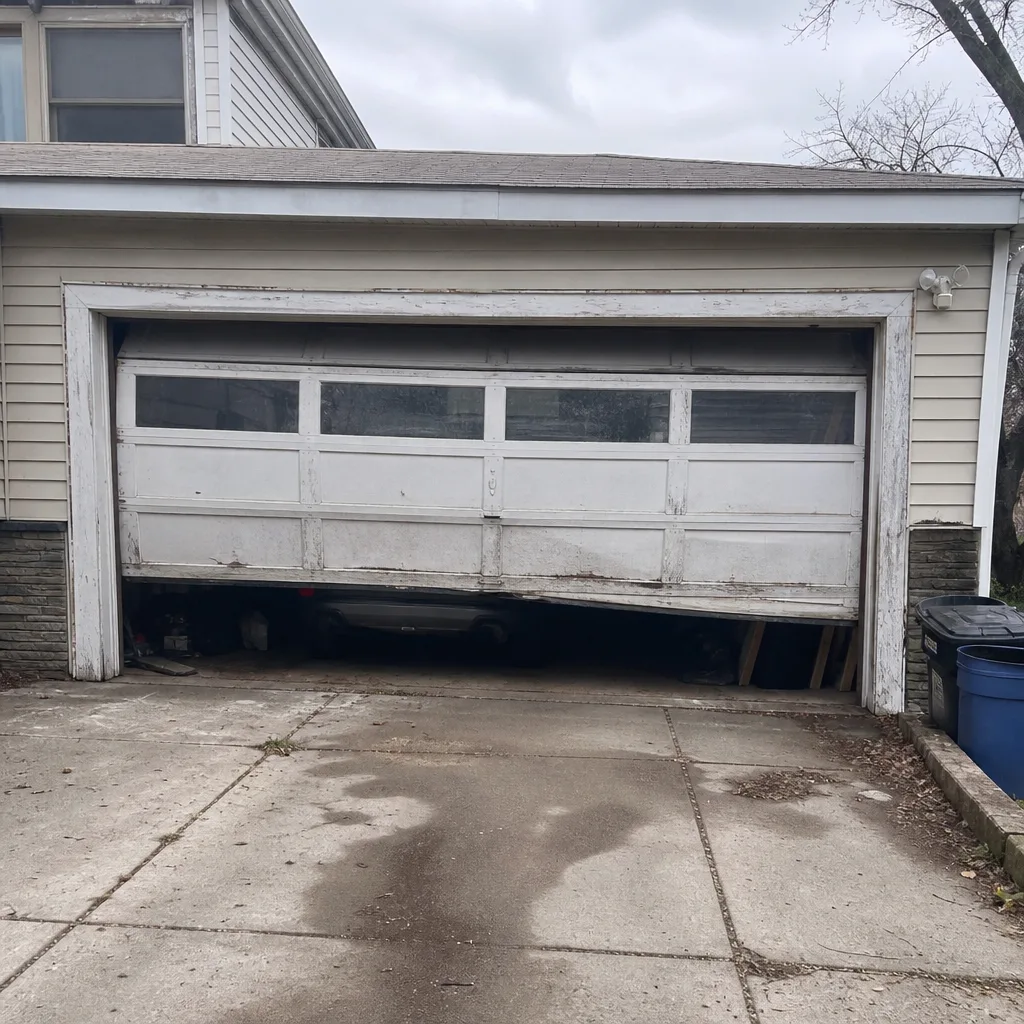 Before
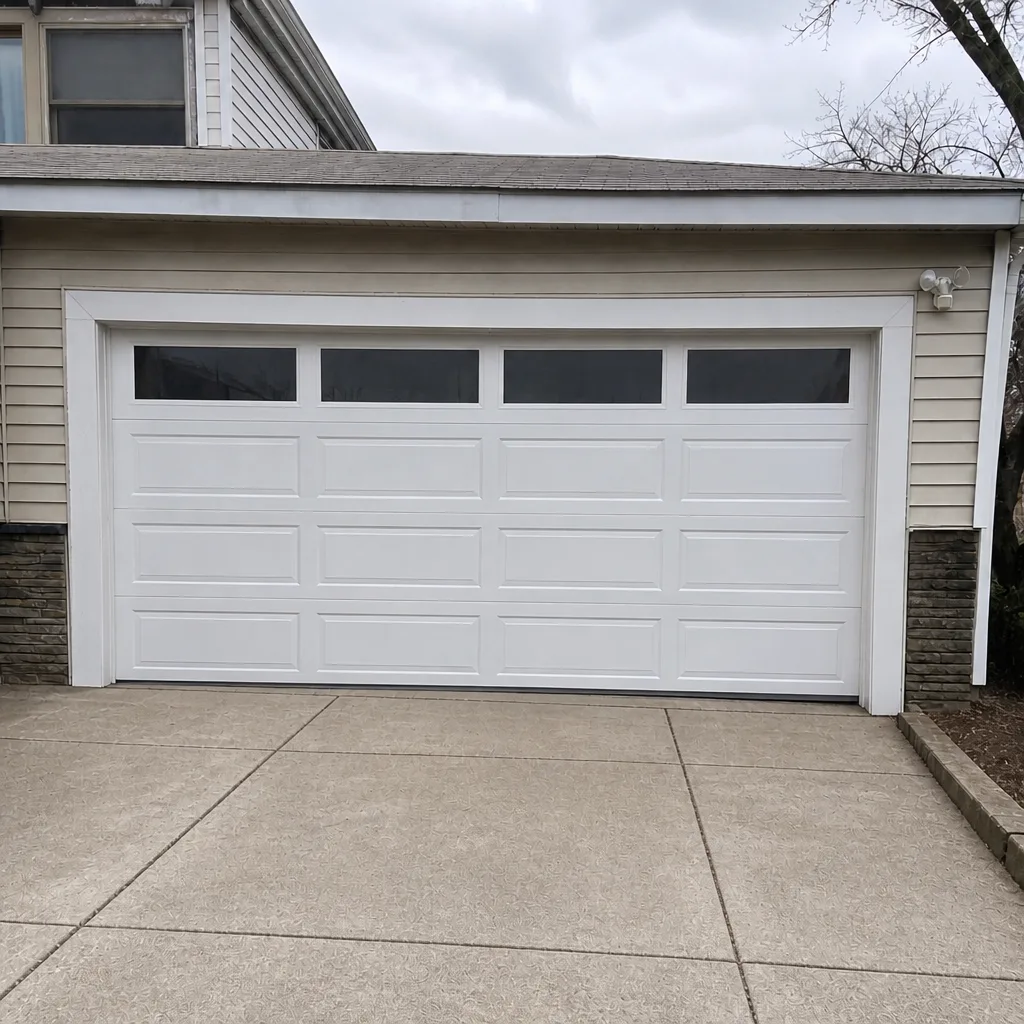 After
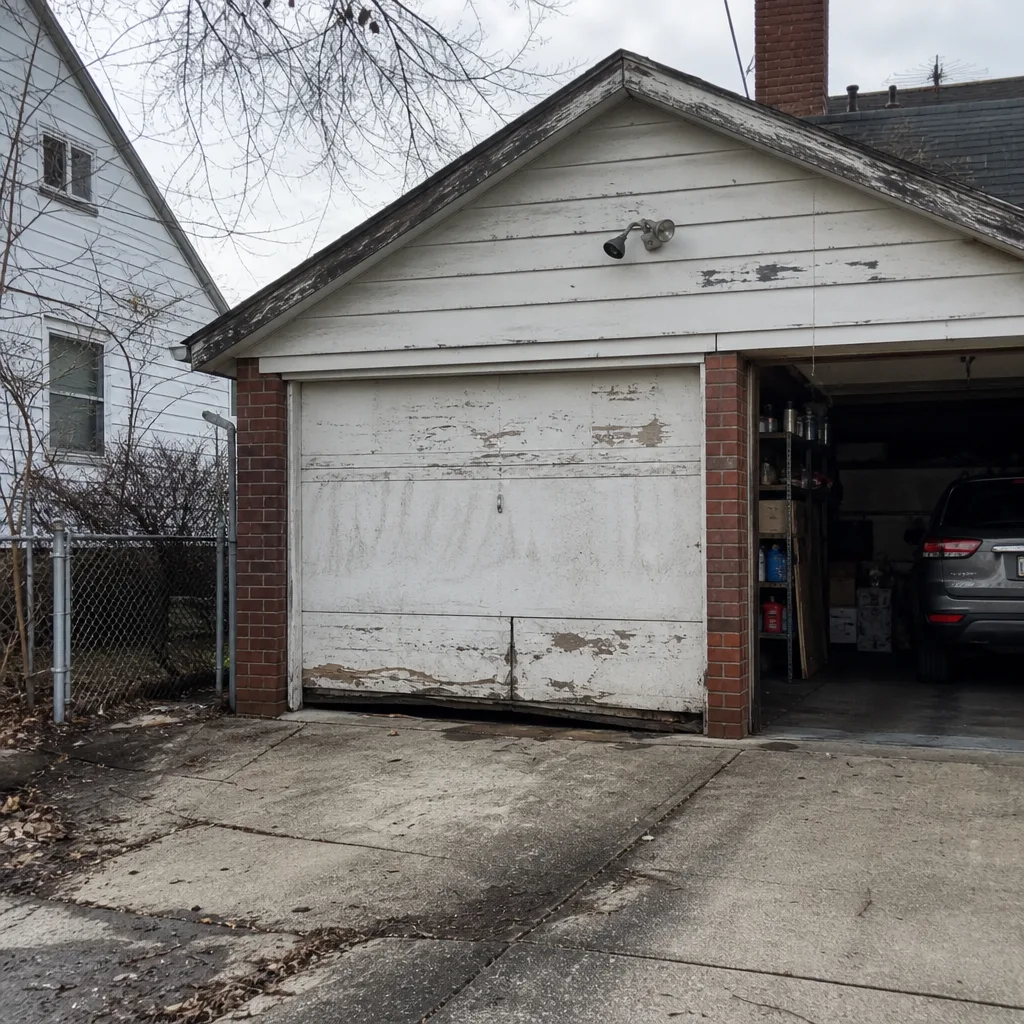 Before
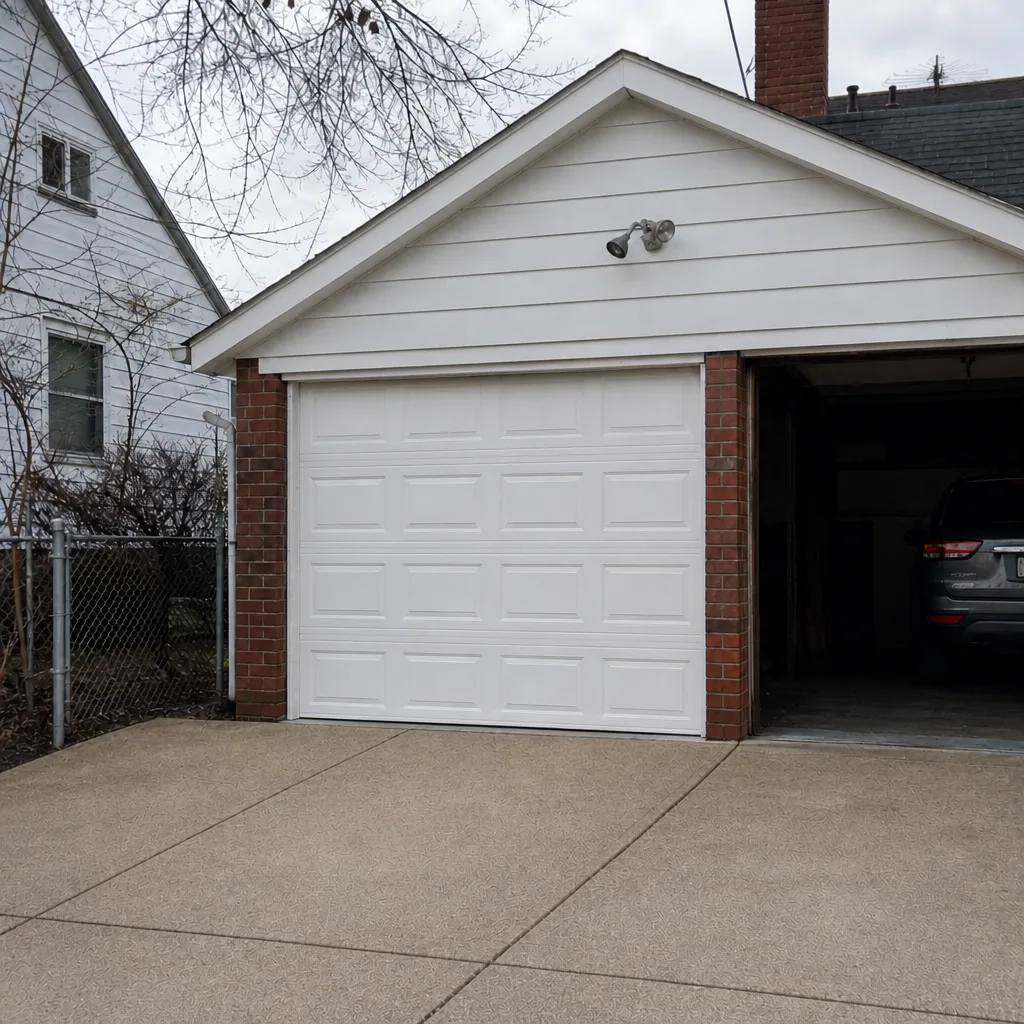 After
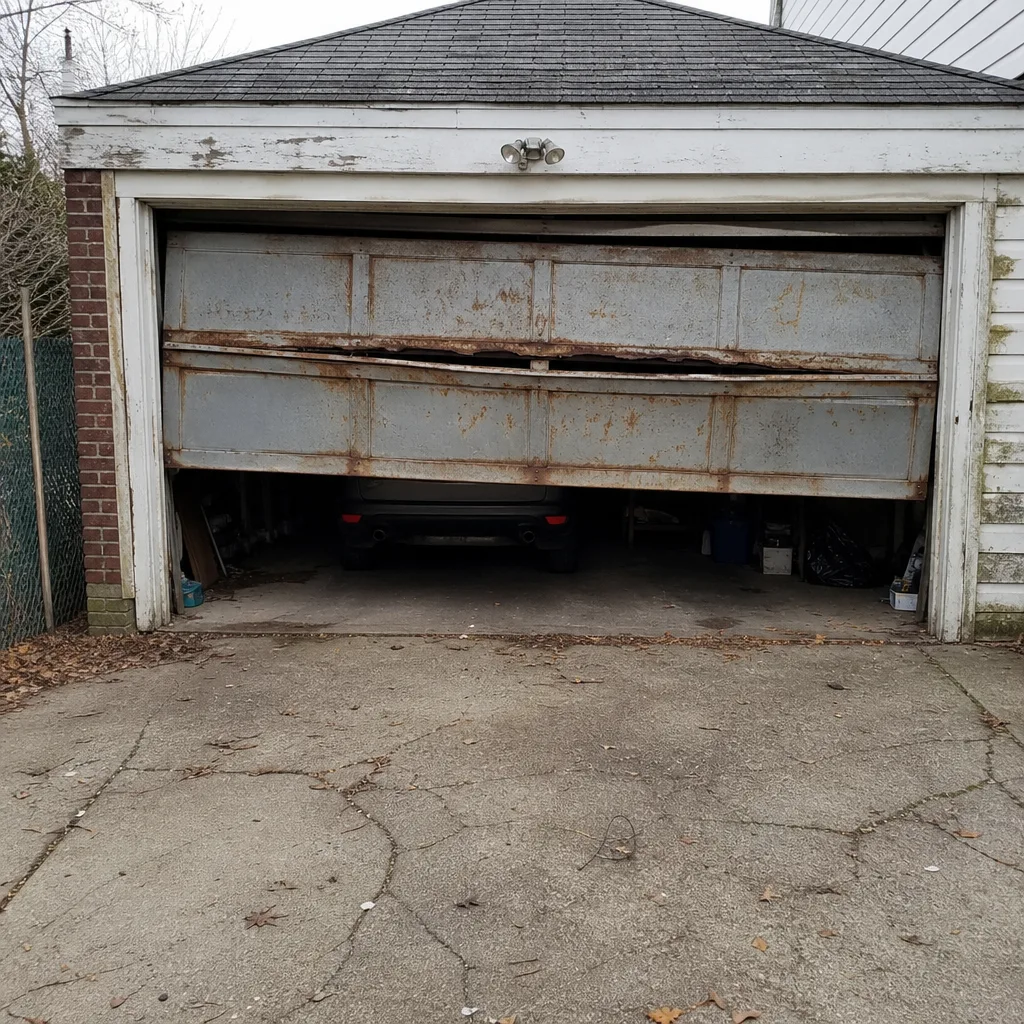 Before
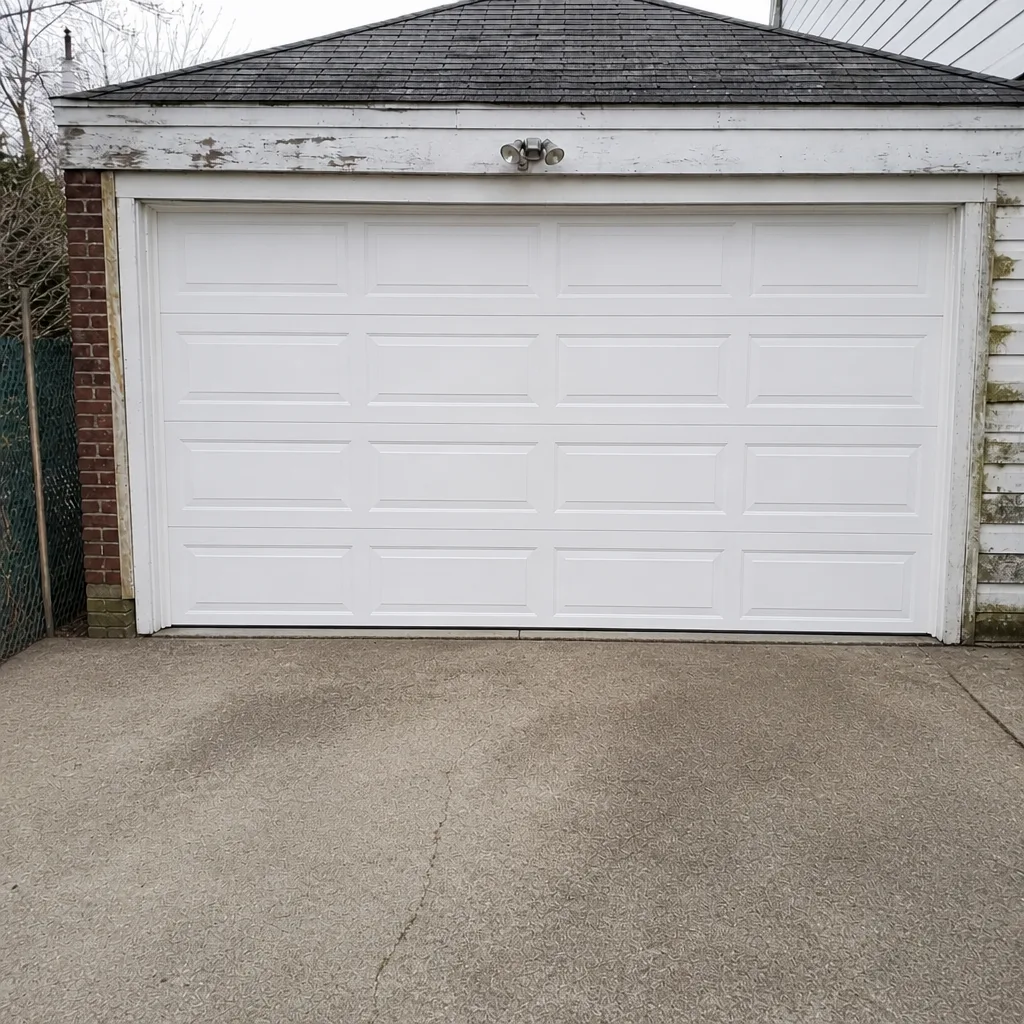 After
When to Call a Professional
Call a professional when the sign is a torsion spring with visible separation or bending, a door that free-falls, a cable that’s come off its drum, or a door that reverses on its own. Call when a sound has been repeating for more than a week. Call when the door feels heavier than it used to, or when the warm-weather sluggishness doesn’t go away after a cycle. And call when the visual signs tell you a part is wearing and you’d rather catch it now than after it takes a neighbor with it. Garage Door Repair Lower East Side offers free estimates in Lower East Side – call (866) 937-7379. We answer 24/7, and the price is quoted and agreed before any work starts, so you know the number before the technician picks up a tool.
Frequently Asked Questions
A spring that’s about to break often shows visible separation, a bend in the coil, or makes a popping sound as the door moves. Visible separation or bending in a torsion spring means stop using the door and call for service. Our technicians have up to 13 years of experience with this and can tell you in one visit whether the spring needs replacing. Call (866) 937-7379 for a free estimate.
A grinding noise usually means the roller is scraping against the track instead of rolling cleanly inside it, which points to track misalignment or a worn roller. In Lower East Side buildings, settled frames and shifted tracks make this common. Left alone, the scrape damages the roller and the track together. Call (866) 937-7379 and we’ll take a look – estimates are free.
Yes, a door that’s sluggish on a cold morning and loosens up after a cycle or two is behaving normally – cold thickens the lubricant and tightens the metal. But a door that’s slow in warm weather is a warning sign, not a seasonal quirk. If the sluggishness doesn’t go away when the temperature rises, it’s time for service. Call (866) 937-7379 for an exact quote.
A door that reverses without an obstruction is usually binding in the track, and the opener reads that resistance as a safety trigger. It can also be a misaligned photo-eye or a receiver issue on the opener. Either way, the door is telling you it’s straining, and that strain wears out the opener and the springs. Call (866) 937-7379. We answer 24/7.
Spring repair is priced per job by a written estimate, since the cost depends on the door, the spring configuration, and whether one spring or a matched pair needs replacing. The estimate is free, and the price is quoted and agreed before any work starts. Call (866) 937-7379 for an exact quote – estimates are free.
No. The written estimate sets the price, and that’s the number you agree to before work begins. If a technician finds something during the job that changes the scope, that conversation happens before any additional work, not on the invoice. Call (866) 937-7379 for a free estimate and a clear number.
The Bottom Line
Most garage door failures give you weeks of warning before they happen. The trouble in Lower East Side is that the neighborhood’s constant noise trains you to ignore those warnings. Recalibrate: a scrape means misalignment, a pop means spring stress, a rattle means loose hardware from street vibration. Look for the visual signs most people miss – an uneven gap, an off-center door, rust on the inside panel. Watch your opener’s behavior for early clues. And the one sign that means call immediately is visible separation or bending in a torsion spring. Catch the warning signs early and you’ll spend less, not more.
When something doesn’t sound right, call Garage Door Repair Lower East Side at (866) 937-7379 for a free estimate. We answer 24/7. Fast dispatch from 7am to 7pm, Sunday through Friday. Whether it’s a spring, an opener, or a door that’s ready for a full upgrade, we’ll get it fixed right the first visit. Visit Garage Door Repair Lower East Side to see everything we handle.
Written by the team at Garage Door Repair Lower East Side.