
Last updated November 21, 2026
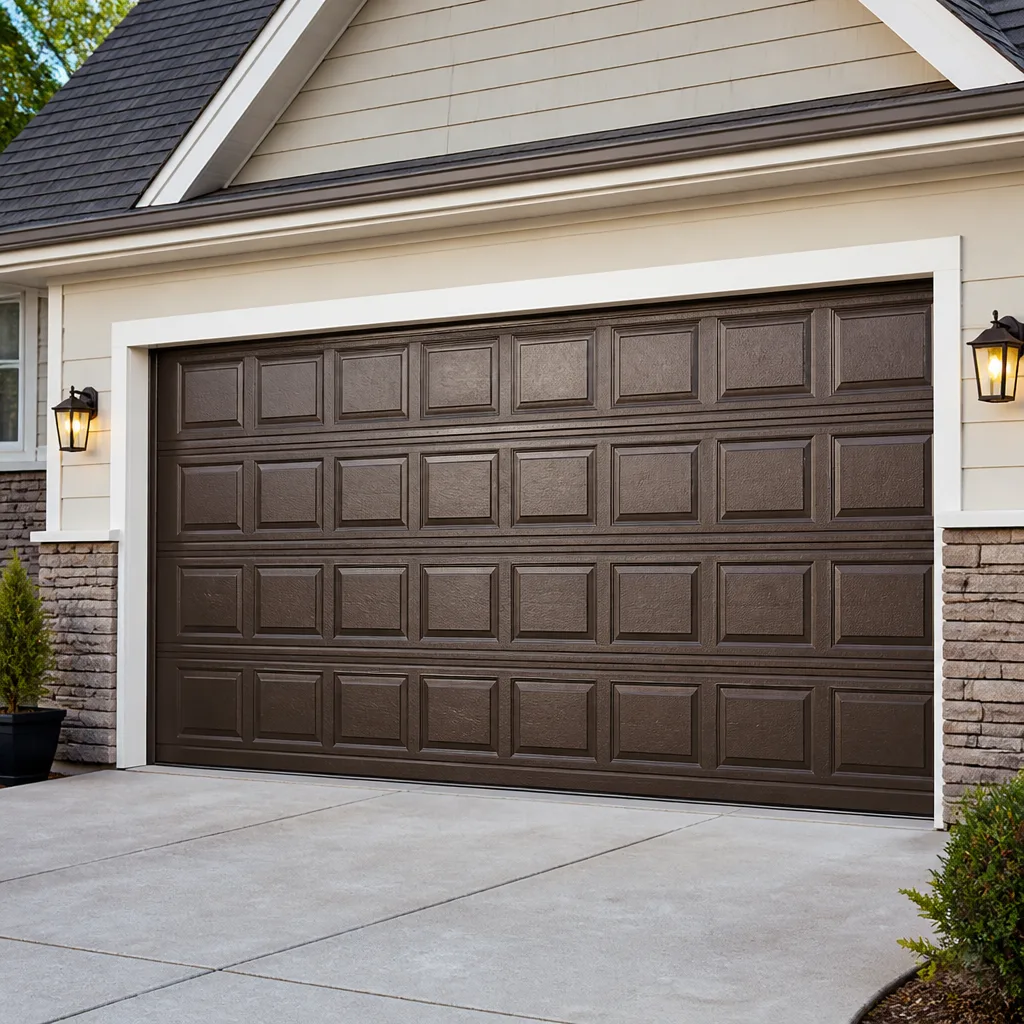 Raised-panel steel
 Carriage house
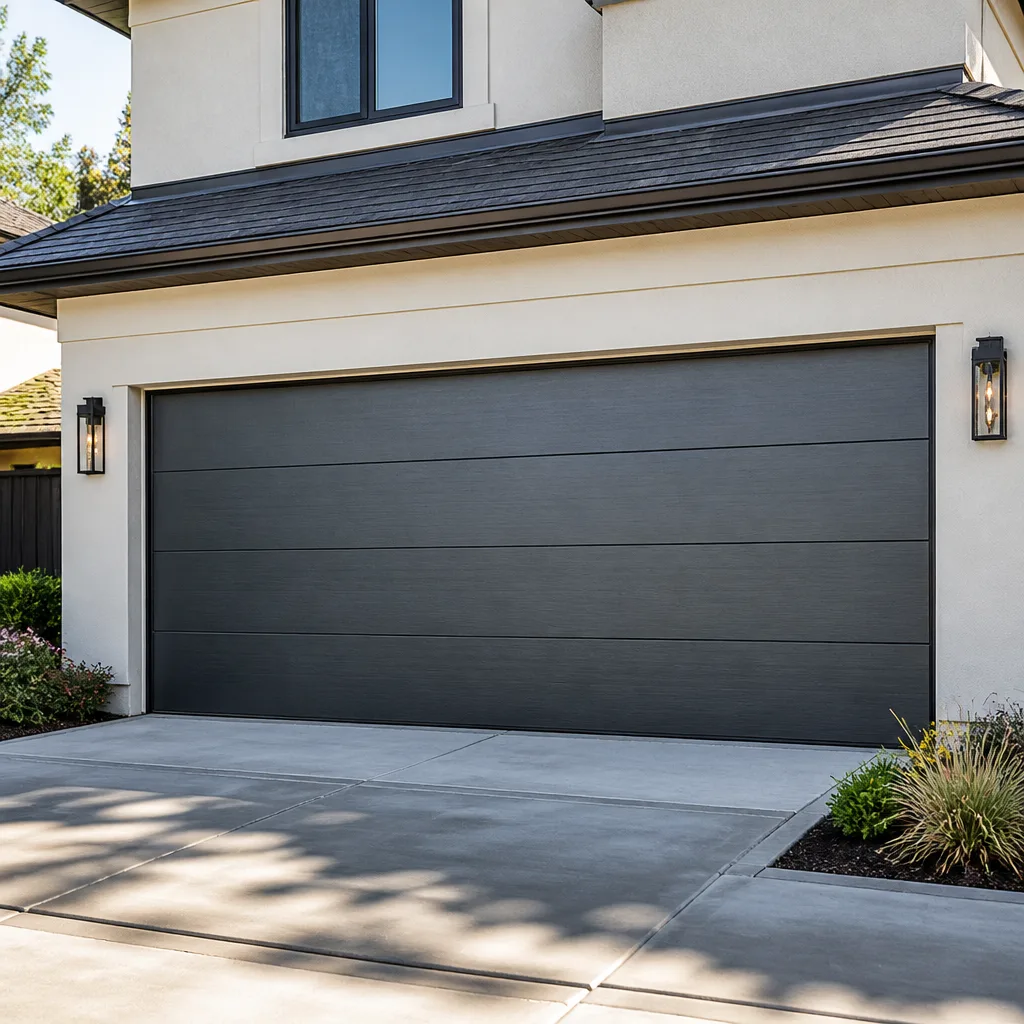 Modern flush
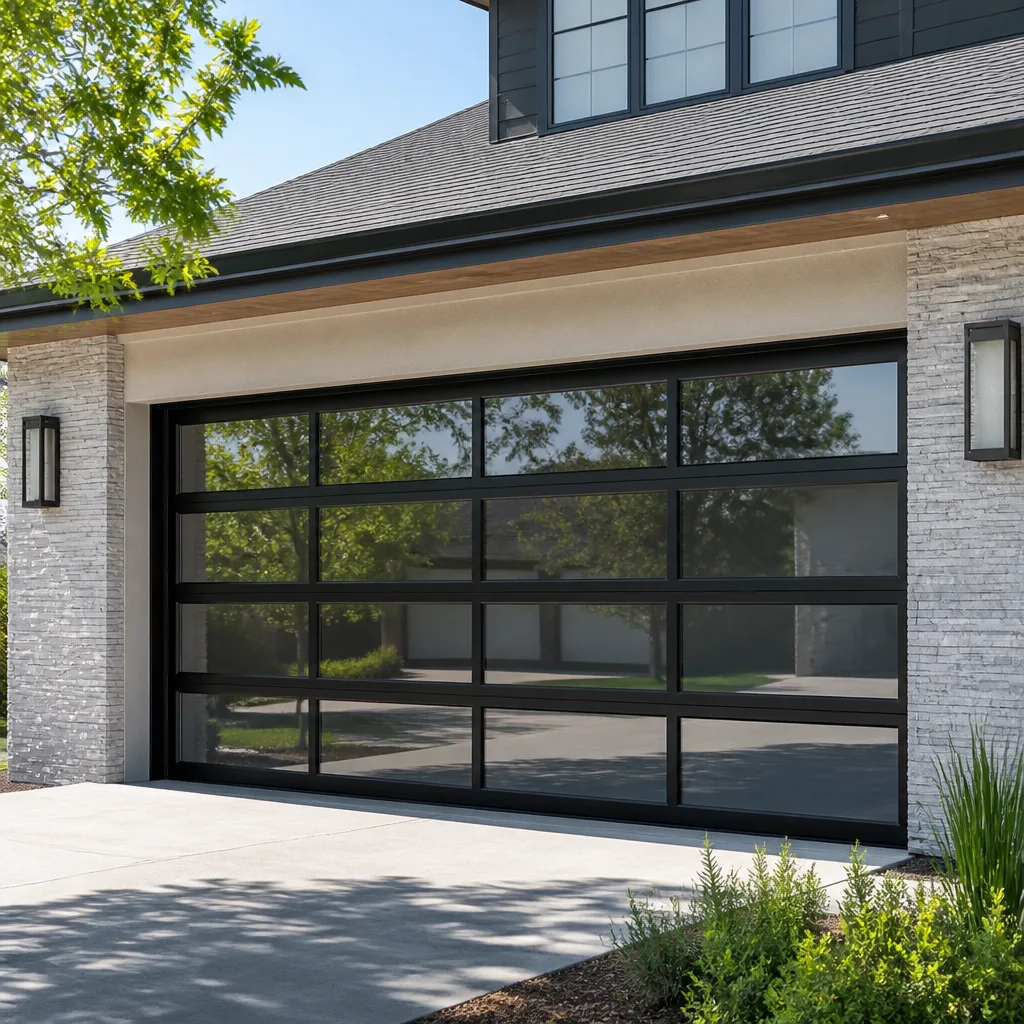 Full-view glass
 LiftMaster openers
 Chamberlain openers
Full 25-point door and opener safety check with every visit - springs, cables, rollers, tracks, and your LiftMaster or Chamberlain opener included
You get a price before we start. It does not change when the pro arrives.
Get your free estimateGarage Door Repair Maintenance Schedule: What to Do and When
The standard “lubricate every six months” advice was written for a door that opens twice a day. If your garage is the primary building entrance in a New York building, or your door cycles ten, fifteen, twenty times between sunrise and midnight, that schedule is already behind. Here’s the counterintuitive truth about maintenance: it isn’t a calendar. It’s a cycle count. A Lower East Side door that opens eight times a day ages roughly three times faster than a suburban door that opens twice, and the work it needs, and when it needs it, should reflect that reality. In this guide, we’ll show you how to calculate your door’s real workload, which parts get which lubricant (and which should never be touched), what our technicians check in a five-minute inspection, and how to build a simple log that lets you predict a failure before it strands you.
Styles & brands we work with
- Raised-panel steel
- Carriage house
- Modern flush
- Full-view glass
- LiftMaster openers
- Chamberlain openers
Quick Answer
Garage door maintenance should be scheduled by cycle count, not by the calendar. A door that cycles under 1,000 times a year needs one tune-up annually, a door cycling 1,000 to 3,000 times needs service twice a year, and anything above 3,000 cycles needs quarterly lubrication plus an annual professional inspection. The single most important task is an annual torsion spring tension check, which catches the wear that leads to most emergency spring repairs.
Table of Contents
- Why Cycle Count Beats the Calendar
- How to Calculate Your Door’s Annual Cycles
- The Exact Lubrication Map: What Gets Grease, What Gets Silicone, What Gets Nothing
- Seasonal Adjustments for Lower East Side Doors
- The Annual Task That Prevents Most Emergency Calls
- Monthly Safety Checks You Can Do in Three Minutes
- Opener and Safety Sensor Maintenance
- How to Build a Maintenance Log That Predicts Failures
- Common Mistakes to Avoid
- When to Call a Professional
- Frequently Asked Questions
- The Bottom Line
Why Cycle Count Beats the Calendar
A garage door’s components wear out based on how many times they move, not how many days have passed. Every open-close pair is one cycle, and one cycle stresses the springs, the rollers, the hinges, and the opener in a measurable, cumulative way. Manufacturer service life for most residential torsion springs is expressed in cycles for a reason. A spring rated for 10,000 cycles at four cycles a day lasts nearly seven years. Run the same spring at eight cycles a day and it’s done in under three and a half.
This matters more in Lower East Side buildings than almost anywhere else. In a lot of residential stock around the neighborhood, the garage is not a storage bay you use for the car twice daily. It’s a working entrance, and in some mixed commercial-residential properties it’s the main route in and out for tenants, deliveries, and staff. A door mounted over a heavily used bay at the corner of Essex and Houston sees a workload a suburban two-car driveway never will. When we assess a door for the first time, the number of daily cycles is the first thing we ask about, ahead of brand, age or door style. We work on LiftMaster and Wayne Dalton systems across the neighborhood, and the maintenance recommendation comes out of the cycle math, not the model name.
The practical takeaway: if your door gets heavy daily use, borrow the schedule from the next interval up. The old six-month rule was written for light use and doesn’t hold. If you’d rather have someone look over the whole system before you set a schedule, the team at Garage Door Repair Lower East Side can measure it and give you a starting point. Our technicians have up to 13 years of experience, and the first visit is a free estimate, not an obligation.
How to Calculate Your Door’s Annual Cycles
The formula is simple: daily cycles multiplied by 365. A “cycle” is one full open and one full close. Count the actual initiations per day, not the number of trips in and out of the door. Getting the number right is what tells you which maintenance tier you belong in.
- Count your daily opens for three typical days. Include every time the door goes up for the car, for foot traffic, for a delivery in a mixed-use building, or for a tenant entry if it’s a shared bay. Average the three days.
- Multiply by 365. That’s your annual cycle count. If your door opens six times a day, the annual number is roughly 2,190 cycles.
- Apply the maintenance tier. Under 1,000 annual cycles: annual tune-up. Between 1,000 and 3,000: service twice a year. Over 3,000: quarterly lubrication and an annual professional inspection.
- Note the peaks. If the busiest day of the week is materially heavier than the others (say, a Thursday delivery rush in a mixed-use Lower East Side bay), add 15 to 20 percent to the annual number as a buffer.
- Log the figure. Write it into your maintenance log, along with the date. When a technician arrives, the first thing you tell them is the cycle count.
The calculation takes about five minutes. Doing it once and writing the number down converts a vague “yeah, it gets used a lot” into a service interval that means something. This is the piece almost everyone skips, and it’s the reason so many maintenance schedules onboard a building are wrong from day one.
The Exact Lubrication Map: What Gets Grease, What Gets Silicone, What Gets Nothing
Lubrication is where most DIY maintenance goes wrong, usually in both directions at once. The wrong part gets the wrong product and the right part gets nothing. Here’s the map we use, and it applies to every major system we see – LiftMaster openers, Wayne Dalton doors, and everything between.
White lithium grease goes on high-load moving parts that slide against each other:
- Torsion spring coils on the outside of the spring, lightly, once a year. Do not over-apply; excess grease attracts grit.
- Roller stems and bearings, sparingly.
- Hinge pivot points on the inside surface, a drop or two per hinge.
- The opener carriage or trolley mechanism and the chain or belt rail, only if the opener instructions specify grease rather than spray.
Silicone spray goes on sliding contact surfaces that should not see grease:
- The vertical and horizontal track curve, along the inside running surface. Two short bursts, one low, one high.
- Bearing plates and the center bracket where the torsion bar passes through.
- Nylon or plastic rollers, which need silicones only.
Nothing gets applied to a few parts, and this is the list most people get wrong:
- Safety sensors and their lenses. Keep them clean and free of dust; a greasy film blurs the beam alignment.
- Permanently sealed bearings in newer rollers, where the seal is designed to keep lubricant in and grease out. Adding more does nothing but attract dust.
- The inside of the torsion spring, which is under tension and holds nothing you want to put your fingers into.
- Seals and weatherstripping, which need a protective spray, not grease.
Two additional points. Never use WD-40 as a long-term lubricant on the door’s moving parts. It’s a solvent, not a lasting film, and it will wash away existing grease. And never spray anything on a damaged, cracked spring; the right response is to have it replaced, not coated. If you’re unsure whether your specific system is the grease type or the spray type, ask. It’s faster to get it right than to clean off the wrong product.
Seasonal Adjustments for Lower East Side Doors
Lower East Side weather is real New York weather – cold winters, humid summers, and a temperature swing that stresses metal and wood in ways a lot of maintenance checklists ignore. The older building stock, especially the walkups and warehouses converted for residential use, makes the seasonal discipline more pressing, not less.
Winter cold and spring tension. Cold shrinks steel and stiffens the lubricants. A spring that ran fine in October can feel tight and slow in January. Don’t force it or crank up the opener force setting as a workaround; the force setting exists to trigger a reversal, and dialing it up masks the real problem. If the door needs more force in winter, the balance is off and a technician should check the springs and the track. The one habit worth building here: open and close the door once by hand before you touch the opener on the first genuinely cold morning of the season, and listen.
Summer humidity and track expansion. Humidity swells wooden door panels and the mounting hardware of older frames, and warm metal tracks can expand slightly and throw a roller out of line. If a door that ran clean all spring starts catching or rattling in July, look at the tracks first. A technician can re-align them in a short visit; a homeowner with a pry bar usually makes it worse.
Falling leaves and grit. Autumn accumulation on the apron and inside the tracks is a genuine maintenance issue in Lower East Side, where street trees and the wind that funnels between building lines drop a lot of debris. A monthly sweep-out of the tracks during autumn is worth ten minutes.
Year-round, unrelated to weather: check the weatherstripping at the bottom of the door. In Lower East Side, where a door often opens onto a shared passage or a short drive, a worn seal lets in water, grit and small pests, and creates the kind of floor-level water the whole building notices. Replace it when it’s torn; it’s cheap and quick.
The Annual Task That Prevents Most Emergency Calls
The torsion spring tension and condition check is the highest-value five minutes in garage door maintenance, and it’s the one task you should not perform yourself. Torsion springs store an enormous amount of energy, and a spring under load can cause severe injury when it fails or is mishandled during a DIY attempt. We recommend this inspection be left to a trained professional. That said, here’s exactly what a trained technician checks so you know what you’re paying for and what “fine” actually looks like.
- Visual inspection of the spring coil. Look for rust bloom, a visible gap in the coil, and the surface finish of the winding. A spring showing rust in the middle section is on its way to failure even if it still works.
- Winding direction and lift cable condition. Cables should run clean over the drums with no fraying, kinks or bird-caging. A damaged cable is a separate safety hazard from the spring and gets flagged immediately.
- Balance test. Raise the door by hand to halfway and let go. A balanced door stays put; one that drifts down is a spring that’s losing tension.
- Opener force and reversal check. Verify the opener trips a reversal when it meets an obstruction, and that it doesn’t need excess force to move the door.
- The five-minute conclusion. The technician tells you whether the spring has months of safe life left or is due for replacement, and how the recommendation ties to your annual cycle count.
This one check catches the wear that leads to the largest share of emergency calls we take in Lower East Side. When a torsion spring finally lets go, the door comes down hard, the opener may be damaged, and the whole system needs immediate attention. That’s the call we’d much rather you never have to make. If your spring hasn’t been inspected in the last year, the smart move is to book it. And if a spring has already failed and the door is stuck, we know that’s not a waiting matter. For a door that won’t open or close, call garage door repair and we’ll get someone to you same-day where possible. We answer 24/7. Fast dispatch from 7am to 7pm, Sunday through Friday. Call (866) 937-7379 and the price is quoted and agreed before any work starts.
Monthly Safety Checks You Can Do in Three Minutes
These are the tasks a homeowner or property manager can and should do without tools, and they take three minutes once a month. None involve touching the spring, the cables, or the opener’s internal moving parts. They are checks, not repairs.
- Test the reversal. Place a roll of paper towels or a 2×4 flat on the floor under the door’s path and close it. The door should reverse on contact. If it doesn’t, the opener needs a technician; don’t use the door until it’s checked.
- Watch the door go up and down. Stand clear and watch the full travel. A door that shudders, jerks or binds is telling you something. Notice which end of the door shudders; it tells a technician where to look.
- Listen for scraping and rattling. A new scraping sound after a period of quiet running usually means a roller out of the track or a hinge that’s loosened.
- Sweep the tracks. Clean out leaves, grit and gravel from the floor-level section of the vertical tracks. Do not lubricate the floor-level corners; silicone on the curve is fine, but the horizontal floor section collects dirt when greasy.
- Confirm the sensors line up. If your opener has safety sensors at floor level, check both LEDs are solid – a steady light means the beam is aligned and receiving. A blinking light means an obstruction or misalignment you can usually clear by wiping the lens and straightening the bracket.
- Look at the bottom seal. Torn or flattened weatherstripping should be replaced. Check the hinges for visible rust bloom or cracks.
One safety rule for all of these: keep your hands and any tools away from the springs, cables, and brackets under tension. If any of the checks above raise a doubt, stop using the door and book a service call. That’s the disciplined approach, not the fussy one.
Opener and Safety Sensor Maintenance
Openers do less wear-and-tear maintenance than the door itself, but the schedule still matters. A door that runs hard and an opener in poor condition compound each other. Here’s what to include on a per-model basis. The maintenance requirements differ across the brands, and the owner’s manual is always the authority.
- LiftMaster and Chamberlain systems. Check the chain or belt for slack and adjust to the manual’s spec. Clean the rail with a dry cloth, and only grease the rail if the manual calls for it. “Grease” is not a universal rule.
- Genie and Craftsman units. Check the belt tension and the trolley for wear, and confirm the safety reverse test passes. If the unit is older and hasn’t had a check in a while, have the battery backup (where fitted) tested.
- Safety sensors. Wipe the lenses monthly and check alignment. Any change in the floor level, from a repaired apron or a new mat, can throw them off.
- Remote and wireless keypad. Replace batteries on a schedule rather than when they fail. Doing it now avoids the call we get most often from a building manager: “the remote stopped working.”
- Opener mounting. Check that the ceiling bracket and the rail mounting are tight. Vibration on older Lower East Side framing loosens things.
If your opener is failing, making grinding noises, or won’t reverse reliably, that’s a garage door opener repair rather than a maintenance item. Same-day service is available for those calls, and the diagnosis comes before any work. We work on the major brands, so there’s no handoff to another vendor.
How to Build a Maintenance Log That Predicts Failures
A maintenance log sounds like busywork until it lets you spot a pattern in your own data: a hinge that’s loosened four times in three years, a track that needed realignment every summer, an opener that’s started needing force adjustments. Once the pattern is on paper, an upcoming failure is predictable and can be scheduled rather than dealt with at the worst possible moment. Build the log once; update it in under a minute per service.
- One page per door. Label it with the door’s location or bay number, the brand, and the date you started the log.
- Columns: Date, Annual Cycle Count, Task Performed, Parts Replaced, Notes, Next Due. Keep it simple enough that you’ll actually use it.
- Log the baseline. Write down the current annual cycle count, the age of any known parts, and the date of the last professional inspection.
- Record every service event. Each lubrication, each safety check, each professional visit. If a part is replaced, write the brand and the part number.
- Add a “warning flags” line. Any new noise, any change in opener behaviour, any weather-related issue you noticed. Small notes lead to bigger diagnoses.
- Review it once a year and set the next interval. If the annual cycle count has grown because the building’s use has increased, upgrade the whole schedule.
The value of the log is in the review, not the writing. If you manage a multi-bay Lower East Side property, this is the difference between maintenance as a firefighting exercise and maintenance as a budget line you can actually plan. A friend or colleague who takes over the property gets a working history, not a blank start.
Common Mistakes to Avoid
- Lubricating on the calendar, not the cycle count. A heavily used Lower East Side door that gets its lubrication on the same schedule as a light-duty suburban door will wear faster than it needs to. Do the cycle math once and work from it.
- Using WD-40 as a long-term lubricant. It’s a solvent, and it strips the protective film off moving parts. You want lithium grease or silicone spray, matched to the part.
- Greasing parts that are sealed or that should stay clean. Sensors, sealed roller bearings and the inside of the torsion spring should stay untouched. Adding grease attracts grit and does no good.
- Ignoring a changing sound as seasonal noise. A new rattle or scrape in July is not “just the heat.” Track it, and have someone look at it if it persists past a couple of cycles. The cheapest fix is early.
- Cranking up the opener’s force setting to force a stiff door. This masks the balance issue and defeats the safety reverse. The right move is to have the springs and track checked, not to force the opener harder.
- Touching the springs and cables. They’re under tension and can cause serious injury. This is the one part of the maintenance list that stays professional. Don’t improvise here, in Lower East Side or anywhere else.
- Keeping no record. A log that doesn’t exist can’t predict the next failure, and a new technician or building manager has to start from scratch. Write it down.
When to Call a Professional
Call a professional when the door has suffered a spring or cable failure, when the door has come off its track, when the opener won’t reverse on an obstruction test, or when the door binds, lurches or makes a new structural noise. Call before using the door again in any of these cases. The same goes for a heavy, high-use building door whose cycle count puts it past an annual inspection, or a property where you can’t establish the last time the springs were checked. Regular maintenance on a schedule you’ve set is what prevents the emergency calls, and the professional inspection is the part of that schedule that matters most. The one thing you shouldn’t do is put off a symptom in the hope it settles.
Garage Door Repair Lower East Side offers free estimates in Lower East Side. Call (866) 937-7379. We answer 24/7. Fast dispatch from 7am to 7pm, Sunday through Friday. Our technicians have up to 13 years of experience, they work on LiftMaster, Chamberlain, Genie, Clopay, Amarr, Wayne Dalton, Craftsman and Raynor equipment, and the price is quoted and agreed before any work starts. If you’re planning a new door rather than repairing the current one, we can measure and quote a written price for a scheduled install. For a heavier step up, you can read about garage door installation as the alternative to another repair.
Frequently Asked Questions
Service frequency depends on how many times the door cycles per day, not on the calendar. A door under 1,000 cycles a year needs a tune-up annually, one in the 1,000 to 3,000 range needs it twice a year, and anything over 3,000 cycles needs quarterly lubrication plus an annual professional inspection. Because so many Lower East Side doors are heavy-use building entrances, they usually belong in the middle or top tier. If you’re not sure which tier applies, call (866) 937-7379 and we’ll help you work it out – estimates are free.
Yes for lubrication, monthly safety checks and keeping the maintenance log. No for anything involving the torsion springs, cables, track re-alignment or the opener’s internal force adjustment. Those parts are under tension and a mistake can cause serious injury, so they should be handled by a trained technician. The split is simple: you can check and clean, but the springs and cables are always a professional job.
The annual torsion spring tension and condition inspection, done by a professional. It catches the wear that leads to the largest share of emergency spring repairs, and it takes a technician under five minutes to complete. Skipping it is the reason so many doors fail with almost no warning. If you haven’t had one done in the last year, call (866) 937-7379 to book an inspection – estimates are free.
Yes, the cold affects both the springs and the lubricants. Cold stiffens grease and tightens steel, so a door that runs clean in the summer can feel slow in January. Don’t compensate by turning up the opener’s force setting; check the balance and the track instead. Lubricate with the right product ahead of the cold snap, and listen to the door on the first genuinely cold morning of the season. If it feels different, call (866) 937-7379.
There are a few warning signs a trained technician can spot: rust bloom on the coil, a visible gap in the winding, a door that drifts down when raised halfway, and a door that needs unusual force to start or finish its travel. Don’t try to wind or test the spring by hand. Any of these signs means book a professional check, and keep the door open or in the up position until then if you can. Call (866) 937-7379 and we’ll get someone out.
No. The price is quoted and agreed before any work starts. If a technician finds an additional issue on site, they’ll tell you before they touch it and get your approval on the revised estimate first. There’s no invoice surprise afterward. For an exact quote, call (866) 937-7379 – estimates are free.
The Bottom Line
Garage door maintenance isn’t a chore list. It’s a schedule matched to how hard your door works. Do the cycle math once, follow the right interval for your door, and put the exact right lubricant on the exact right part. Check the safeties monthly, have the torsion springs inspected once a year by a professional, and keep a log you actually use. For heavy-use Lower East Side doors, that means service more often than the old six-month advice assumes. Get the schedule right and most emergency calls never happen. Call (866) 937-7379 for a free estimate. We answer 24/7. Fast dispatch from 7am to 7pm, Sunday through Friday.
Written by the team at Garage Door Repair Lower East Side.
See the difference
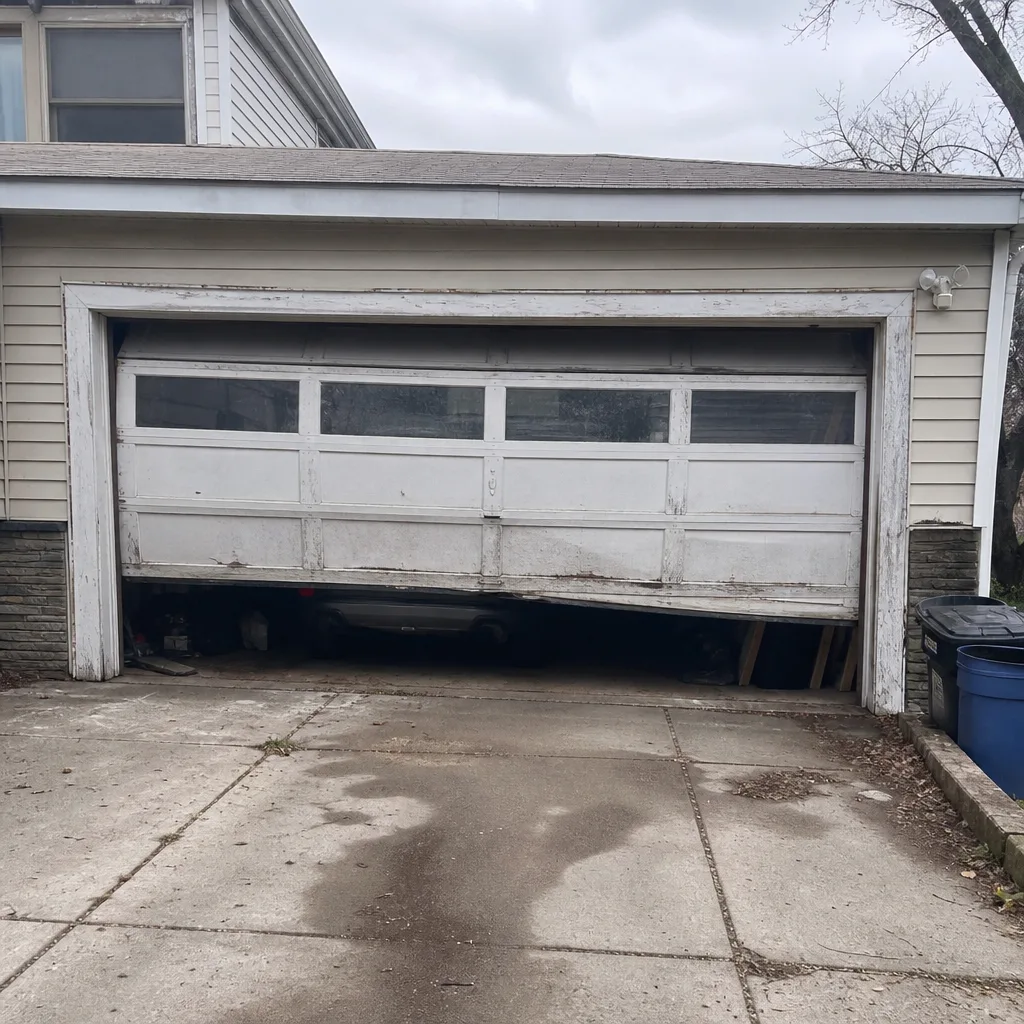 Before
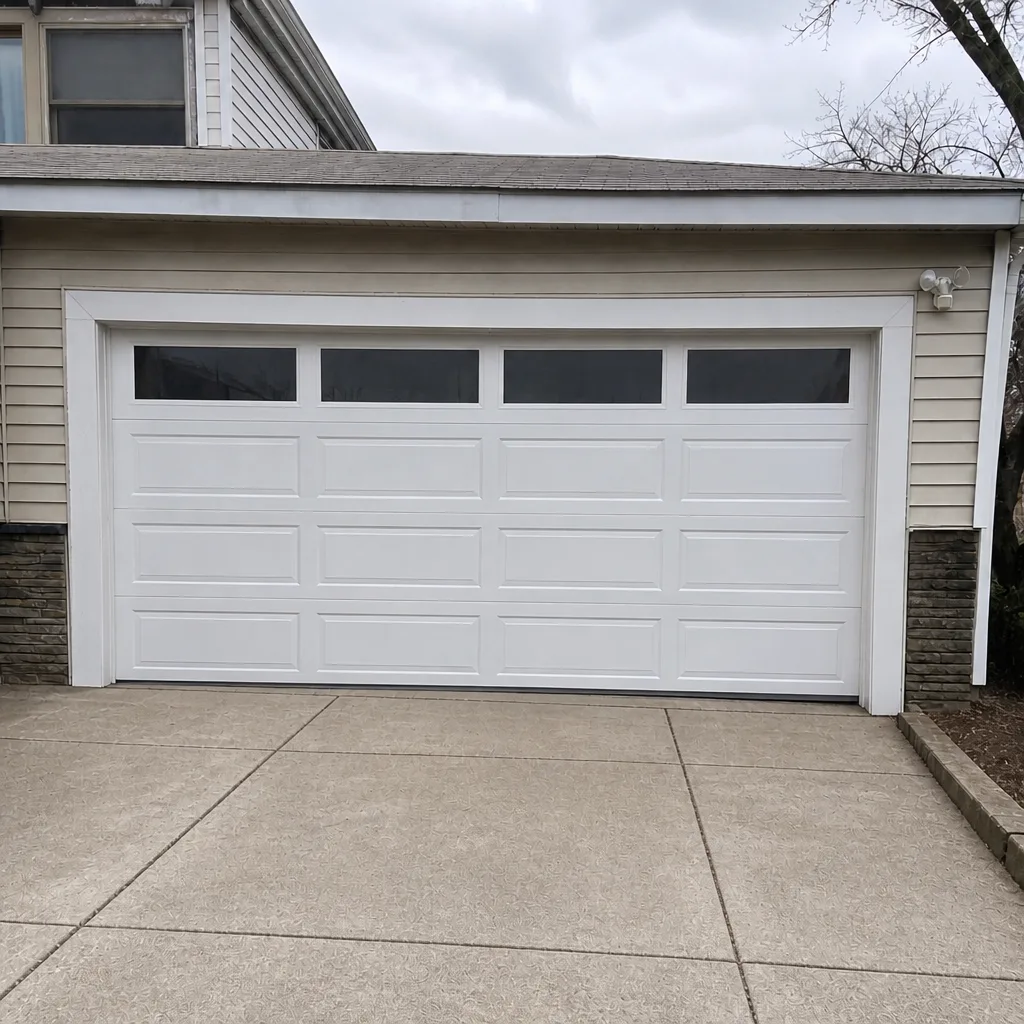 After
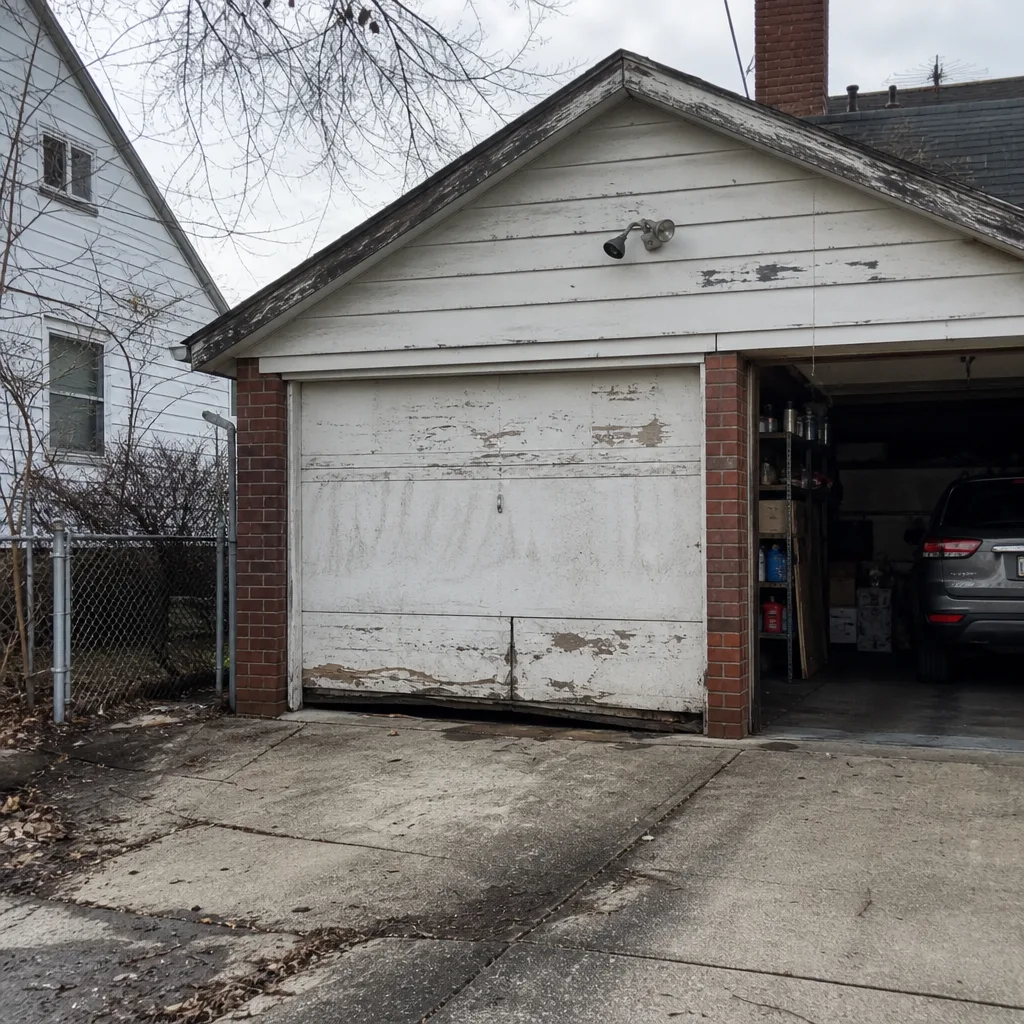 Before
 After
 Before
 After