
Last updated November 21, 2026
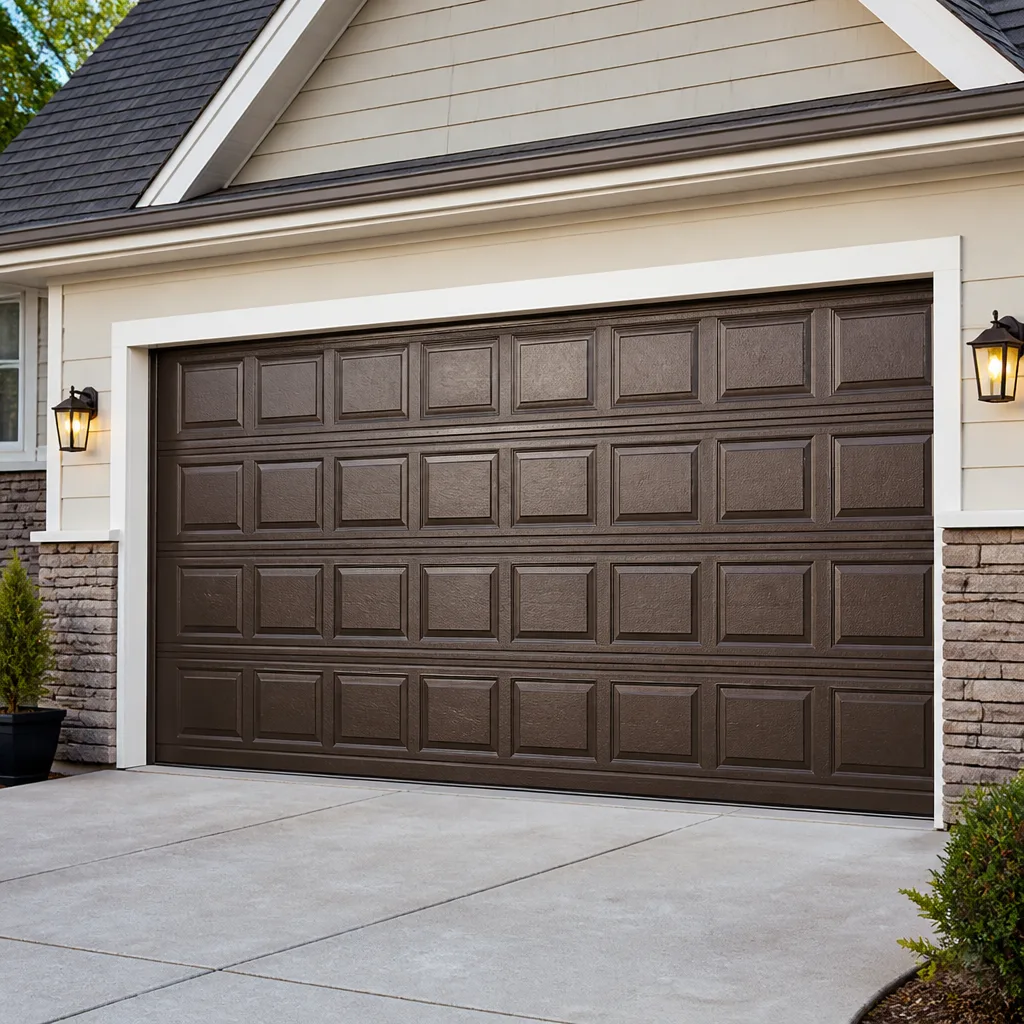 Raised-panel steel
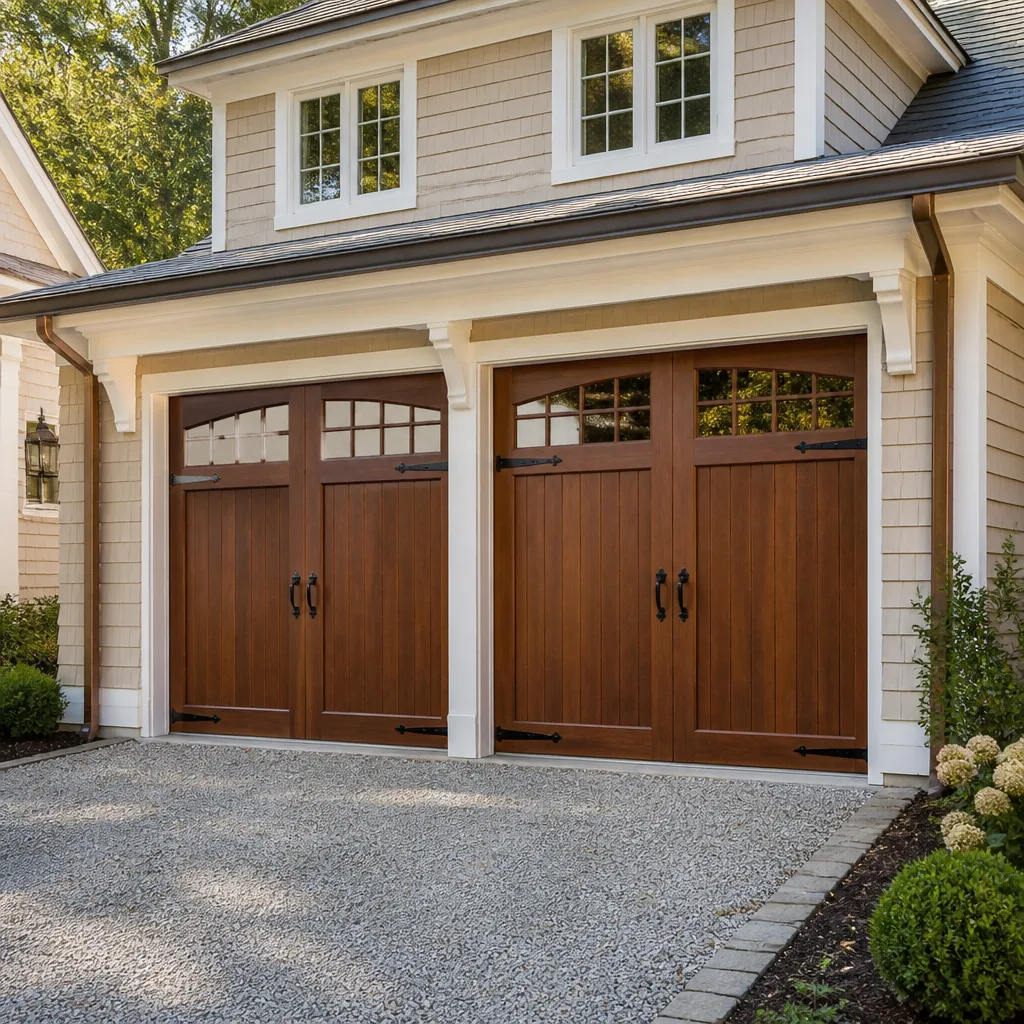 Carriage house
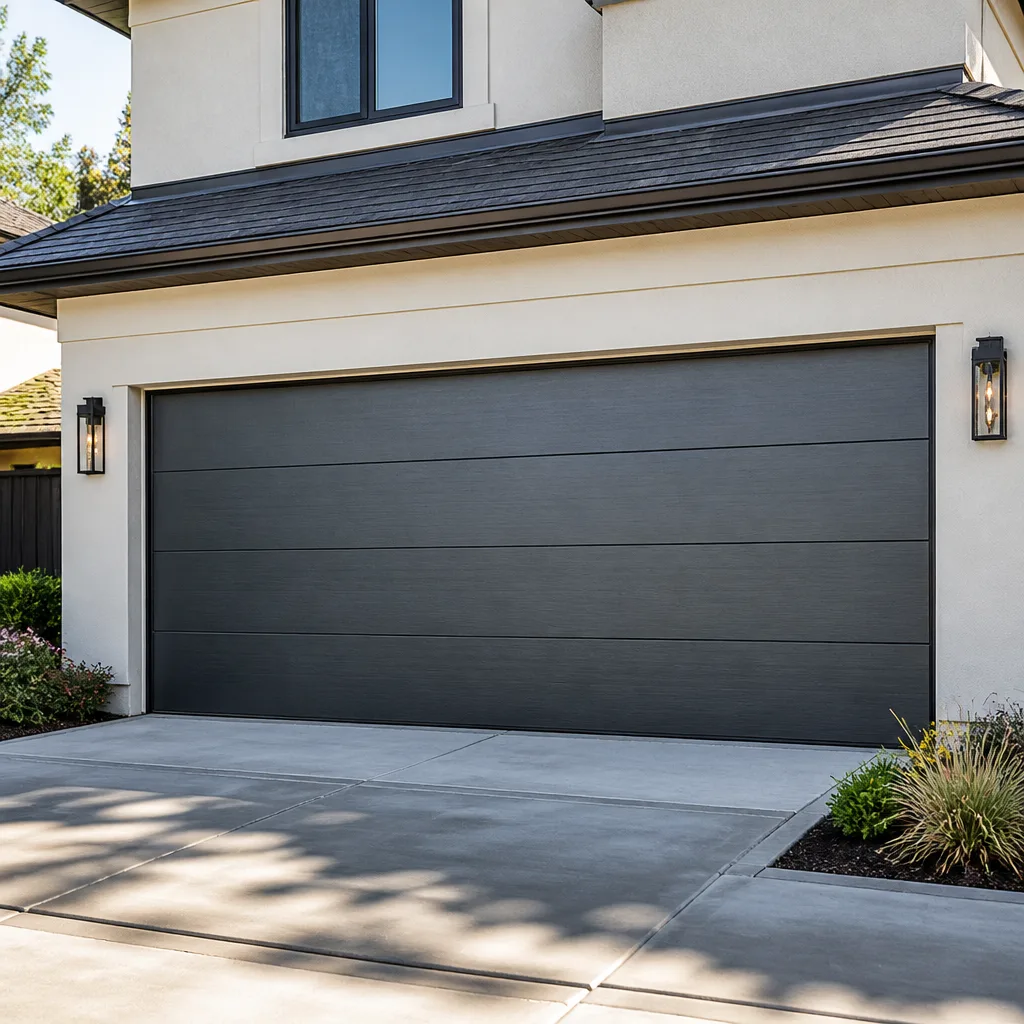 Modern flush
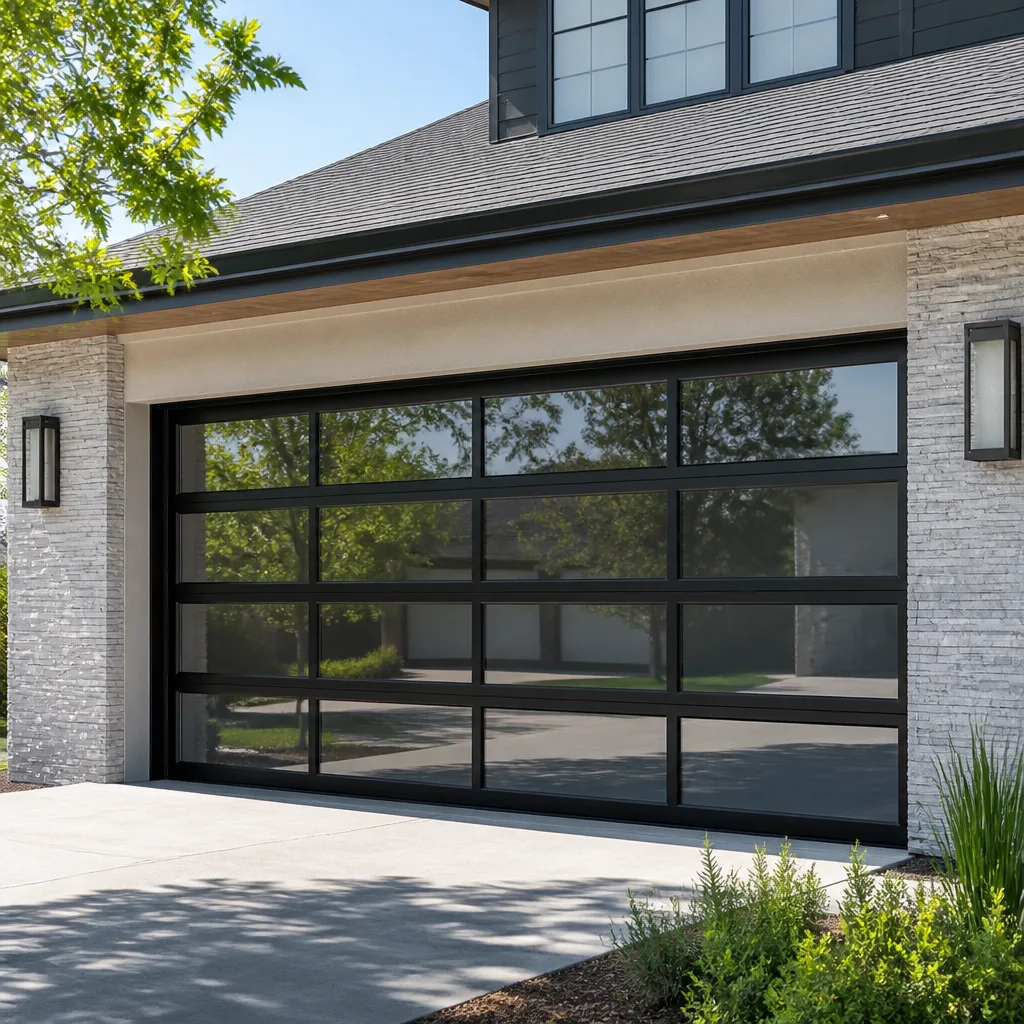 Full-view glass
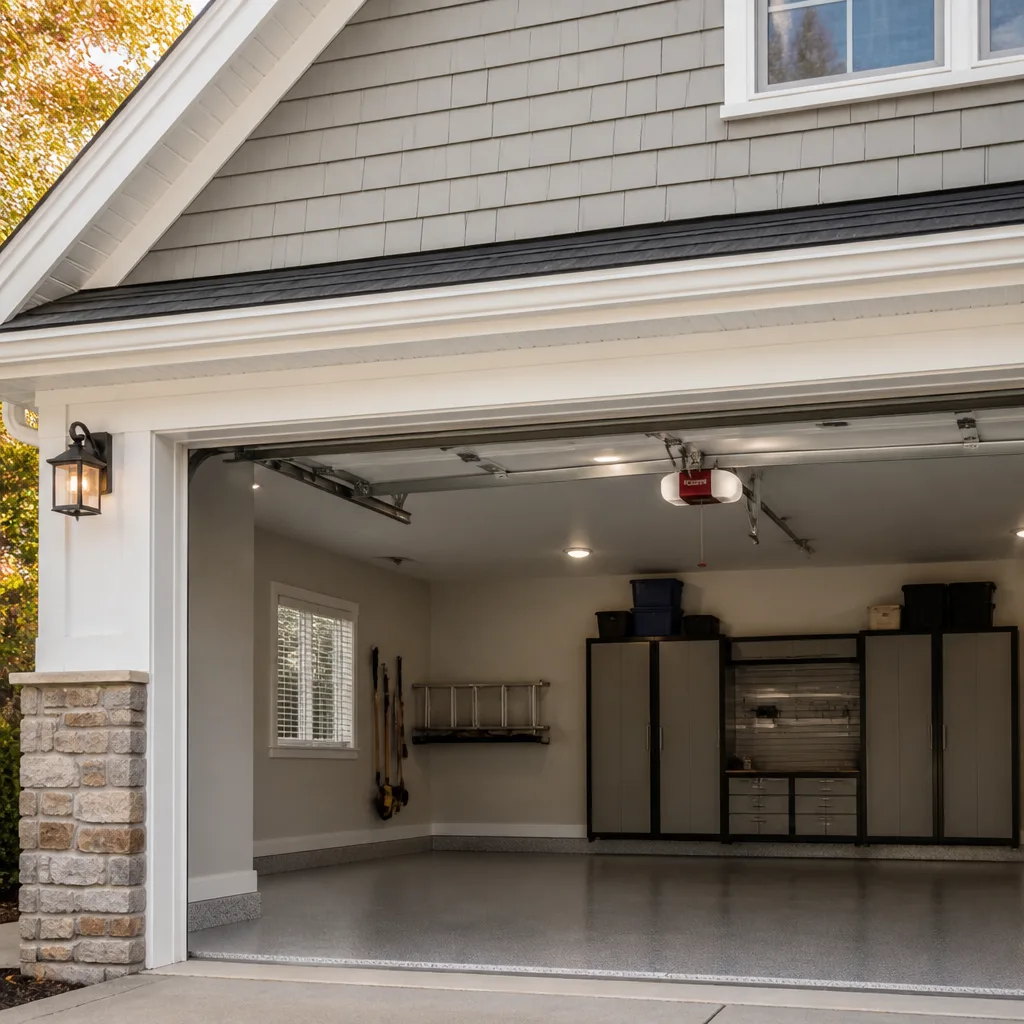 LiftMaster openers
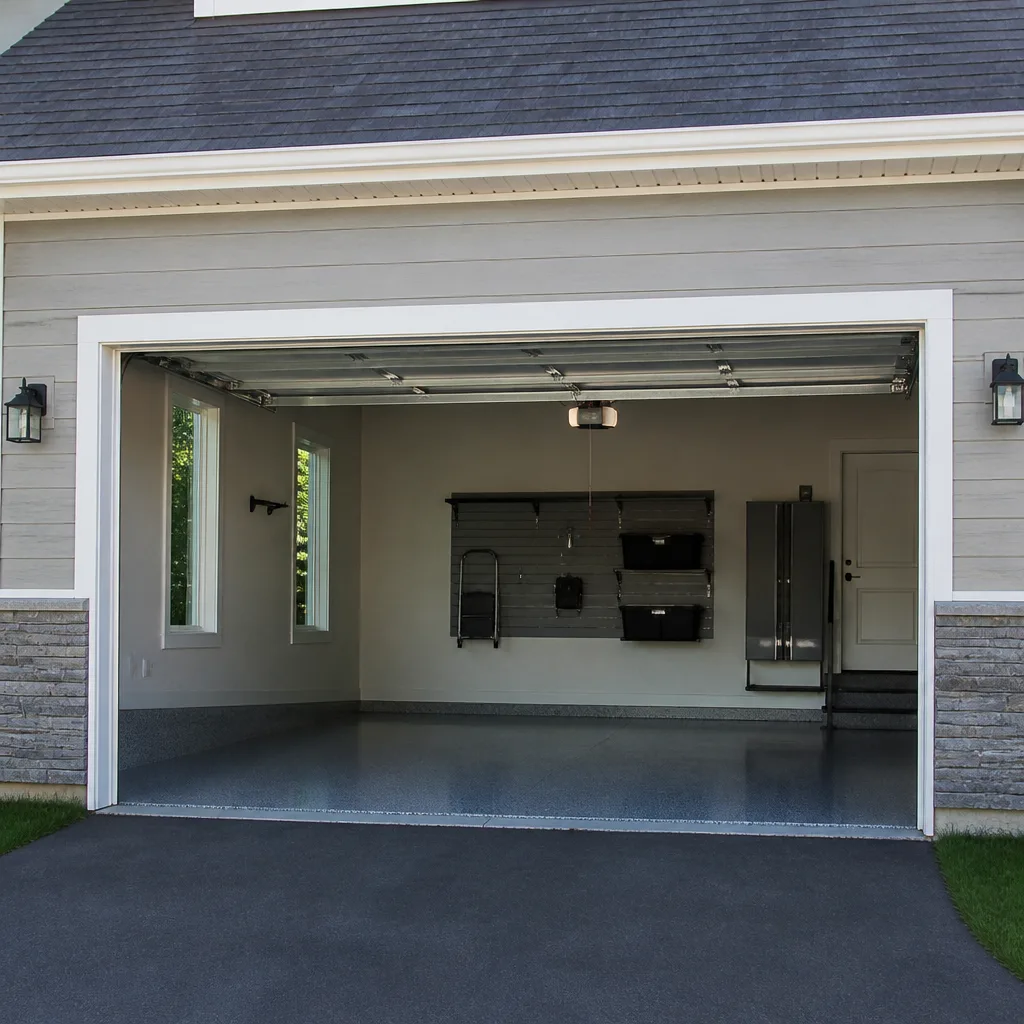 Chamberlain openers
Full 25-point door and opener safety check with every visit - springs, cables, rollers, tracks, and your LiftMaster or Chamberlain opener included
You get a price before we start. It does not change when the pro arrives.
Get your free estimateGarage Door Emergency Preparedness Guide for Lower East Side Homes
Most garage door advice starts with a phone number. That’s backwards. The first ten minutes after a door fails decide whether you spend the next hour stuck, whether your building’s shared garage entrance stays secure, and whether you or someone else gets hurt trying to force a door that weighs hundreds of pounds. On a dense block in the Lower East Side, a broken door rarely affects just one person. It can block a driveway shared by several units, leave a street-level opening standing wide, or strand a car you need for work. This guide covers what to actually do in those first minutes: how to disengage an opener by hand, when a door must stay open versus closed, what to have ready before you call, and how building dynamics change the whole picture. What follows is the preparation part, so the call part is easy.
Quick Answer
If a garage door fails in the Lower East Side, secure the opening first, keep everyone clear of the door and its springs, then call for emergency service. Never try to force a door with a broken spring, and never attempt to adjust or remove a spring or cable yourself. Disengage the opener only when the door is fully closed unless you’ve confirmed it can be safely held, and have your door’s size, brand, and opener type ready so the technician arrives with the right parts.
Styles & brands we work with
- Raised-panel steel
- Carriage house
- Modern flush
- Full-view glass
- LiftMaster openers
- Chamberlain openers
Table of Contents
- The First Ten Minutes: What to Do Before You Call
- How to Manually Disengage an Opener and Move a Door by Hand
- When the Door Is Stuck Open: Securing a Street-Facing Opening
- Is the Door Safe to Leave Closed, or Must It Stay Open?
- What to Have Ready When You Call an Emergency Technician
- Building Considerations: Shared Garages and Multi-Unit Access
- Springs and Cables: Why These Are Never a DIY Job
- Preparing Before Something Breaks
The First Ten Minutes: What to Do Before You Call
An emergency garage door situation rewards a calm sequence over a fast reaction. The door is not going anywhere in the next sixty seconds, but a person who grabs a bent panel or reaches for a sprung cable can get hurt badly. Work through these steps in order.
- Stop anyone from using the door. If the door is partially open, jammed, or hanging unevenly, keep people and vehicles away. A door that has lost spring tension can drop without warning.
- Assess what actually failed. Is the door stuck open, stuck closed, or moving unevenly? Did you hear a loud bang (often a spring), or did the door simply stop responding (often an opener or sensor)? That difference shapes everything that follows.
- Secure the space if the door is open. If a street-facing opening is standing wide, address that before anything else. The section below covers how.
- Cut power to the opener if it’s cycling or acting erratically. A door that keeps trying to close on an obstruction needs the opener unplugged so it stops fighting whatever is wrong.
- Gather your door details and call. Have the information from the “What to Have Ready” section below in front of you. The more the technician knows, the faster the job goes on the first visit.
In our experience across Lower East Side buildings, the failures that scare people most are the ones that look violent but are actually routine: a snapped torsion spring, a cable that’s come off its drum, a door that’s jumped its track. All three are fixable. None of them are things to poke at while you wait. Our technicians have up to 13 years of experience, and the one thing they consistently say is that the worst injuries come from homeowners trying to help.
How to Manually Disengage an Opener and Move a Door by Hand
You can safely release a garage door from its opener so it can be moved by hand, but the technique matters and the timing matters more. The release lets the door travel freely, which is exactly what you want with a dead opener and exactly what you don’t want with a broken spring, because a door with no spring tension is far heavier than it looks and can come down fast.
The correct release sequence
- Confirm the door is fully closed first. This is the safe position to release from. A door released while open can drop if a spring or cable has failed.
- Pull the power. Unplug the opener or switch off its breaker so it can’t re-engage mid-move.
- Find the manual release cord. It hangs from the opener’s trolley, usually a red handle on a rope. Pull it straight down toward the door, not sideways. You should hear or feel the trolley disengage.
- Test the weight before you lift. With the door disengaged, lift it a few inches by hand. A healthy door lifts with steady, manageable resistance. If it feels brutally heavy, won’t stay put when you let go, or slams back down, stop. That’s a spring problem, and you should leave it closed.
- Move the door slowly and hold it securely. If it travels smoothly, raise it to fully open and prop or secure it. Never leave a manually opened door unattended and unsecured.
If a torsion spring has snapped, the door will feel impossibly heavy and unbalanced, and lifting it by hand can cause the door to crash down or the panels to buckle. In that case, leave the door where it is and wait for a technician. This is not a case for a workaround. Springs and cables are under extreme tension, and a trained professional has the tools to release that tension safely. When you’re ready to book, our garage door repair service handles exactly this kind of failure.
When the Door Is Stuck Open: Securing a Street-Facing Opening
A garage door stuck open on a street-facing Lower East Side building is a security problem before it’s a repair problem. Ground-level openings on busy blocks draw attention, and an unsecured garage invites exactly the kind of foot traffic no building wants. Close the gap as best you can while the technician is on the way.
- Do not block the door in a way that traps it. Wedging furniture or a vehicle against the door can damage panels and complicate the repair. Use temporary barriers that can be moved, not things bolted or jammed into place.
- Lower the door as far as it will safely go by hand if the opener is dead and the door is balanced. A door that’s slightly ajar and stable is better than one standing fully open, but only lower it if it moves smoothly and stays put.
- Post a person or a clear sign if the opening can’t be closed. A simple “garage door out of service” notice at the entrance tells neighbors and delivery people not to rely on it.
- Notify building management or the super immediately if this is a shared building entrance. They can decide whether to block the driveway with a vehicle or post a watch.
- Keep the interior lit or monitored if possible. If there’s an interior door or camera covering the garage, use it until the opening is secured.
In our experience, the security step gets skipped because people fixate on the repair. Treat the open door as an access point that needs closing, and the repair as the fix that lets you close it properly. If the opener is what failed and the door itself is fine, our garage door opener repair team deals with that specific fault, which is often a quick diagnosis.
Is the Door Safe to Leave Closed, or Must It Stay Open?
Deciding whether to leave a failed door closed or open comes down to one question: can the door be held safely in that position? A closed door is almost always the safer default, but there are failures where forcing it closed does more harm than good.
Leave it closed when:
- The door is fully down and sitting evenly in its opening.
- Nothing is hanging, sagging, or visibly off its track.
- No one needs to drive in or out before the repair.
- The opener is dead but the door itself is balanced and intact.
Keep it open or partially open only when:
- The door has come off its track and forcing it down would bend panels or damage the frame. In that case, secure the opening as above and wait.
- A panel is hanging or the door is visibly misaligned. Forcing a misaligned door closed can make the repair bigger.
- Someone is inside and the closed position would trap them or block a needed exit.
The key distinction is a failed component versus a failed door. A dead opener with a sound door can usually be closed and left closed. A broken spring, a jumped track, or a damaged panel needs the door left exactly where it is until a technician assesses it. When a door genuinely won’t wait, our Garage Door Repair Lower East Side service is set up for urgent failures, and the first job is always making the door safe before fixing it.
What to Have Ready When You Call an Emergency Technician
Having the right details ready when you call is the single biggest thing you can do to get a door fixed on the first visit. A technician who knows what they’re walking into brings the right parts and the right tools. A technician who doesn’t may have to come back, and on a busy Lower East Side street, that’s a day lost.
- Door dimensions. Width and height, measured roughly, in feet. Standard single doors and double doors are easy to distinguish; odd sizes matter more.
- Door brand if you know it. Clopay, Amarr, Wayne Dalton, and Crafters are common on this kind of housing stock. The label is usually inside the door or on the opener housing.
- Opener brand and type. LiftMaster, Chamberlain, Genie, and Craftsman cover most systems. Note whether it’s a belt, chain, or screw drive, and whether it’s a smart opener tied to an app.
- The type of failure. Loud bang then the door won’t lift, opener runs but the door doesn’t move, door comes down and goes back up, sensor light blinking, cable hanging, door off the track. Describe what you saw and heard.
- The door’s current position. Fully closed, fully open, partially open, uneven.
- Access notes. Which entrance, whether a vehicle needs moving, whether it’s a shared building garage or a private one, and any buzzer or intercom the technician will need.
Write it down or keep it on your phone. That list turns a panicked call into a two-minute dispatch and helps the technician arrive with the right spring, cable, or opener part. Call (866) 937-7379. We answer 24/7. Fast dispatch from 7am to 7pm, Sunday through Friday.
Building Considerations: Shared Garages and Multi-Unit Access
A broken garage door in a multi-unit Lower East Side building is a group problem with a single fix. The repair urgency goes up because more people depend on the door, and the scope widens because the building may have rules about who authorizes work, what gets fixed, and how the opening gets secured in the meantime.
Here’s how to handle the building side of an emergency:
- Notify management and the super first. Whoever holds the repair authority should know immediately so they can approve the job and coordinate access.
- Tell your neighbors. In a shared garage, other residents relying on that door need to know it’s out. A quick message to the building group prevents someone from getting blocked in.
- Confirm who can authorize the repair. In some buildings the board or manager signs off; in others the super can call it in. Knowing this ahead of time avoids a door sitting broken while people debate.
- Agree on how the opening gets secured. If the door can’t close, decide together whether a vehicle blocks the driveway, whether a temporary barrier goes up, and who checks on it.
- Document the failure. A photo of the door, the spring, or the off-track panel helps management and the technician and can matter for the building’s records.
For property managers overseeing several Lower East Side buildings, the smart move is preparation, not reaction. Keep door and opener specifications on file so an emergency call doesn’t start with guesswork. We work on your brand across Clopay, Amarr, Wayne Dalton, LiftMaster, Genie, and more, which means a building with mixed door and opener setups doesn’t need multiple contractors. Our garage door installation team can also size a replacement if the failure is serious enough to warrant a new door rather than a repair.
Springs and Cables: Why These Are Never a DIY Job
Garage door springs and cables are the two components you should never touch yourself. Both are under extreme tension, and releasing that tension the wrong way can cause serious injury or worse. When a torsion or extension spring snaps, the safest thing you can do is leave it alone and call a trained professional. The same applies to cables, which run under tension alongside the springs and can whip free if they fail.
What you can safely do is recognize the signs of a spring or cable problem so you know to stop:
- A loud bang from the garage, followed by the opener running but the door not lifting.
- The door feeling extremely heavy when lifted by hand, or falling rather than staying put.
- A visible gap in a torsion spring above the door, or an extension spring that’s stretched and dangling.
- A cable hanging loose, wrapped wrong, or off its drum.
- The door lifting crooked, with one side lagging behind the other.
None of these are things to fix. Each one is a reason to keep the door closed, keep people clear, and call someone who works with springs regularly. Our spring repair service exists because this is one of the most hazardous, skill-dependent jobs in the trade, and it’s the one most often attempted by well-meaning homeowners. If your door has a spring problem, treat it as an emergency and let a professional handle it.
Preparing Before Something Breaks
The best time to prepare for a garage door emergency is when nothing is wrong. A few simple steps on a quiet afternoon save you from a bad morning later.
- Learn where your manual release is. Find the red cord on the opener trolley now, and show everyone in the household or building who might need it.
- Note your door and opener brands. Write them down and keep them with your building documents. Brand matters when it’s time to get parts.
- Test the safety reverse occasionally. The auto-reverse should send the door back up when it meets an obstruction. If it doesn’t, that’s a fault worth fixing before it becomes a bigger one.
- Listen for changes. A door that’s getting louder, slower, or jerky is telling you something is wearing. Address it before it fails.
- Keep a short list of who to call for your building, including an emergency garage door line, so no one is searching for a number while the door hangs open.
Preventive attention is cheaper and calmer than an emergency. If you notice the warning signs, a quick repair now beats a stuck door later. And if you’re already in the emergency, the goal stays the same: secure the opening, keep people safe, and get it fixed right the first visit.
Common Mistakes to Avoid
- Forcing a door with a broken spring. Lifting or shoving a door that’s lost spring tension can drop it or bend panels. Keep it closed and leave it for a technician.
- Reaching for the spring or cable. These are under extreme tension. Even professionals use specific tools and a controlled release. Don’t put your hands near them.
- Leaving a street-facing door standing open. On a busy Lower East Side block, an open garage is a security gap. Secure the opening immediately.
- Calling without door details. A technician without your door size, brand, and failure type may not have the parts and has to return. Have the information ready.
- Letting a shared-building failure wait on a decision. In a multi-unit garage, confirm who can authorize the repair fast so the door isn’t stuck open while people discuss it.
- Using the manual release from a fully open position with a failed component. Release from the closed position unless you’ve confirmed the door is balanced and safe.
- Assuming the opener is the problem. A dead opener and a broken spring can look identical from inside the car. Describe what you heard and saw so the diagnosis is right.
See the difference
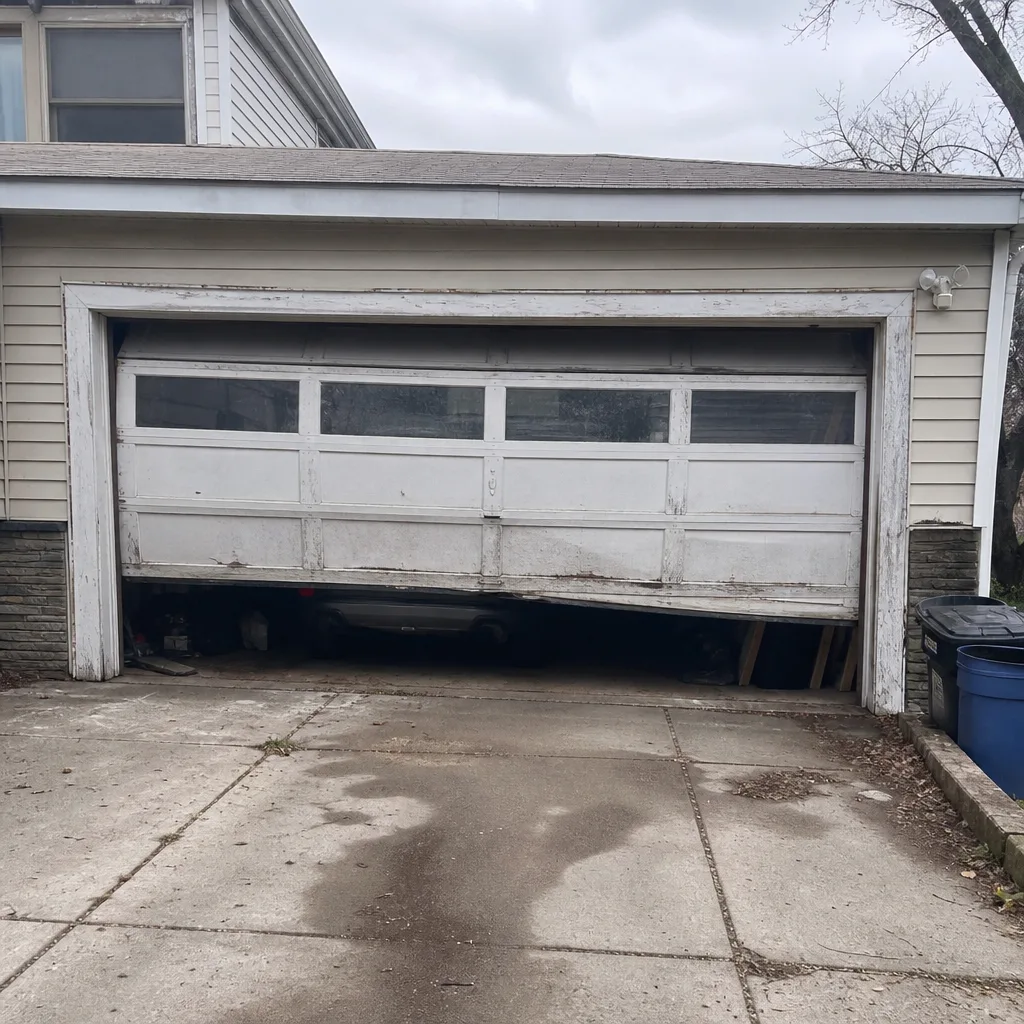 Before
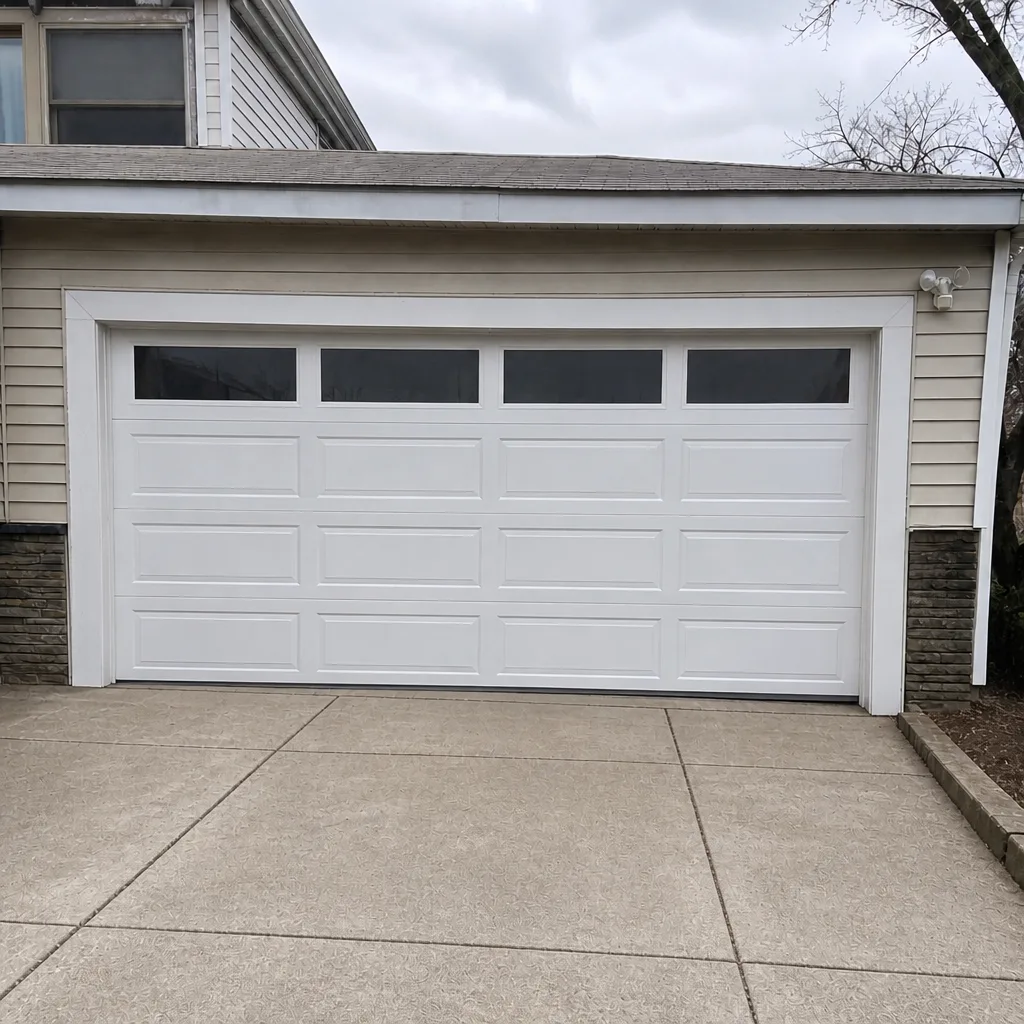 After
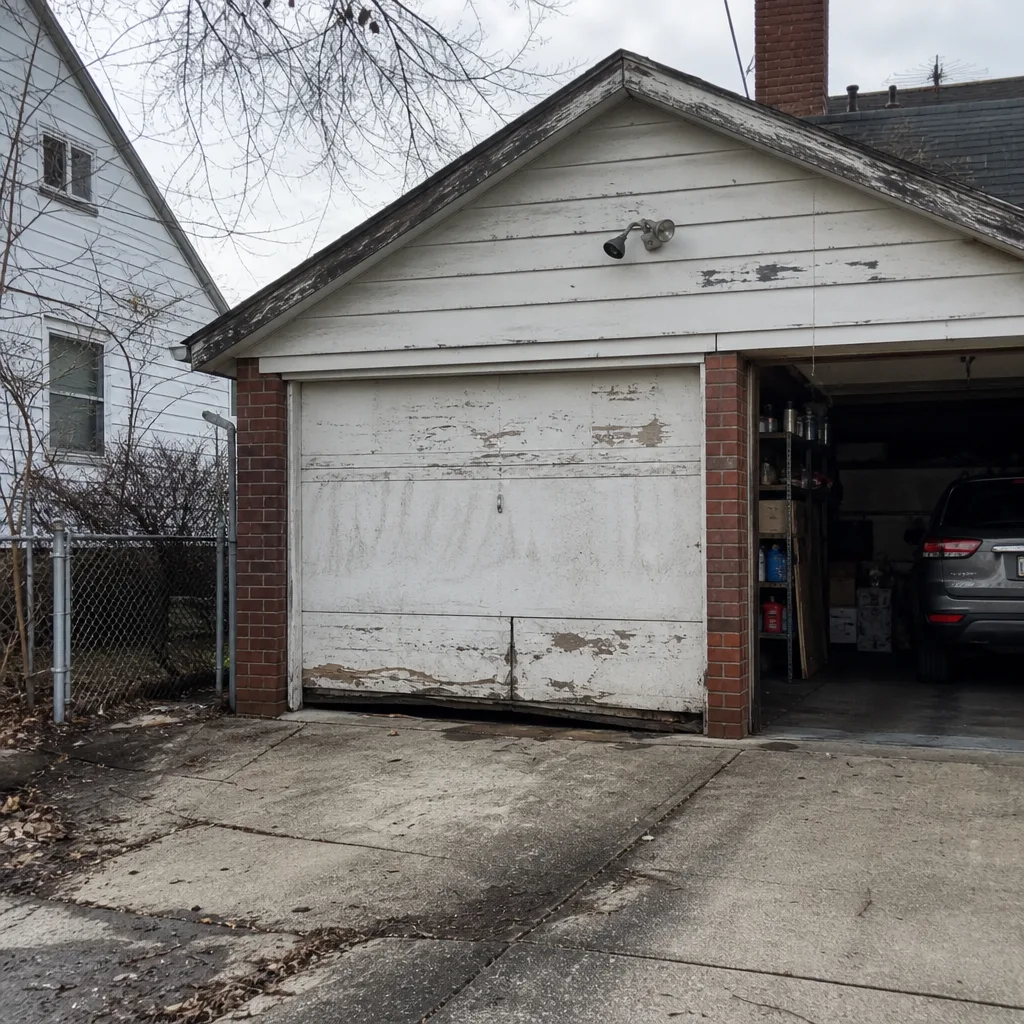 Before
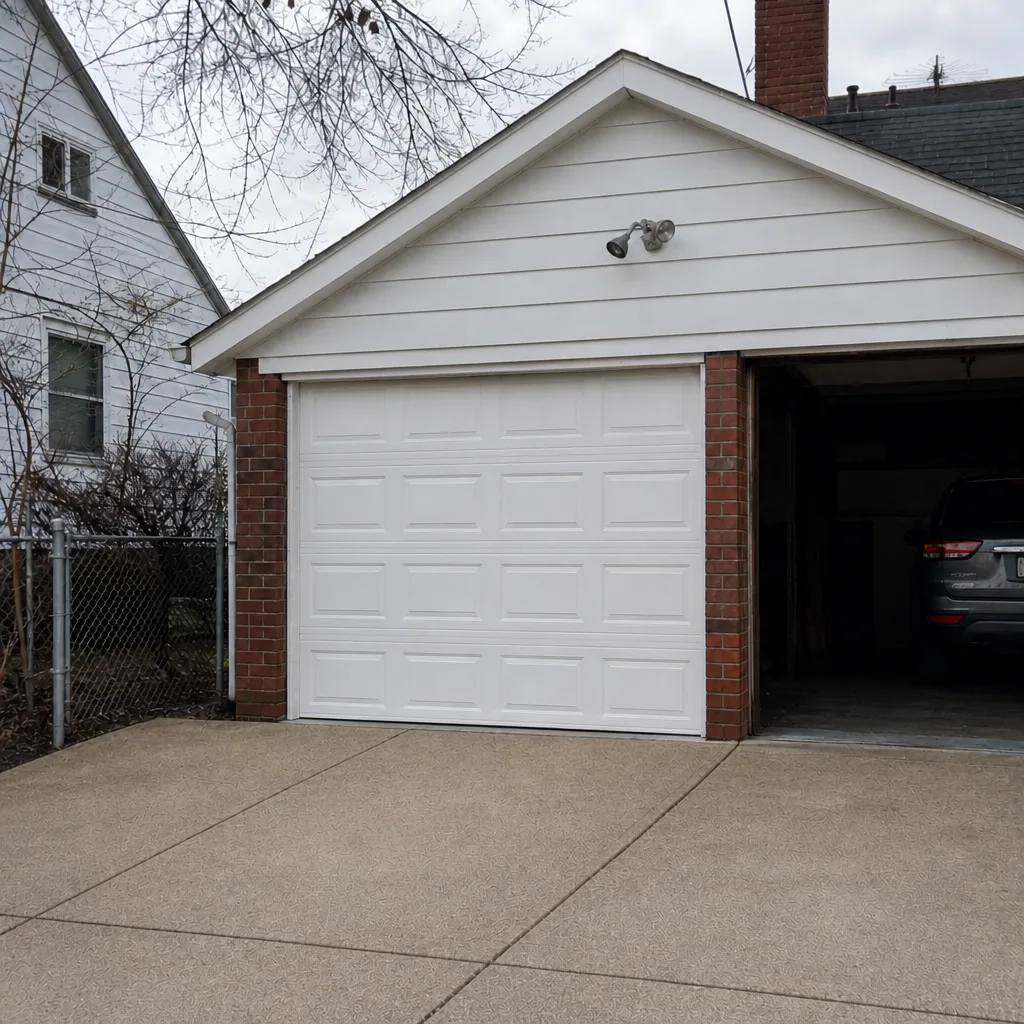 After
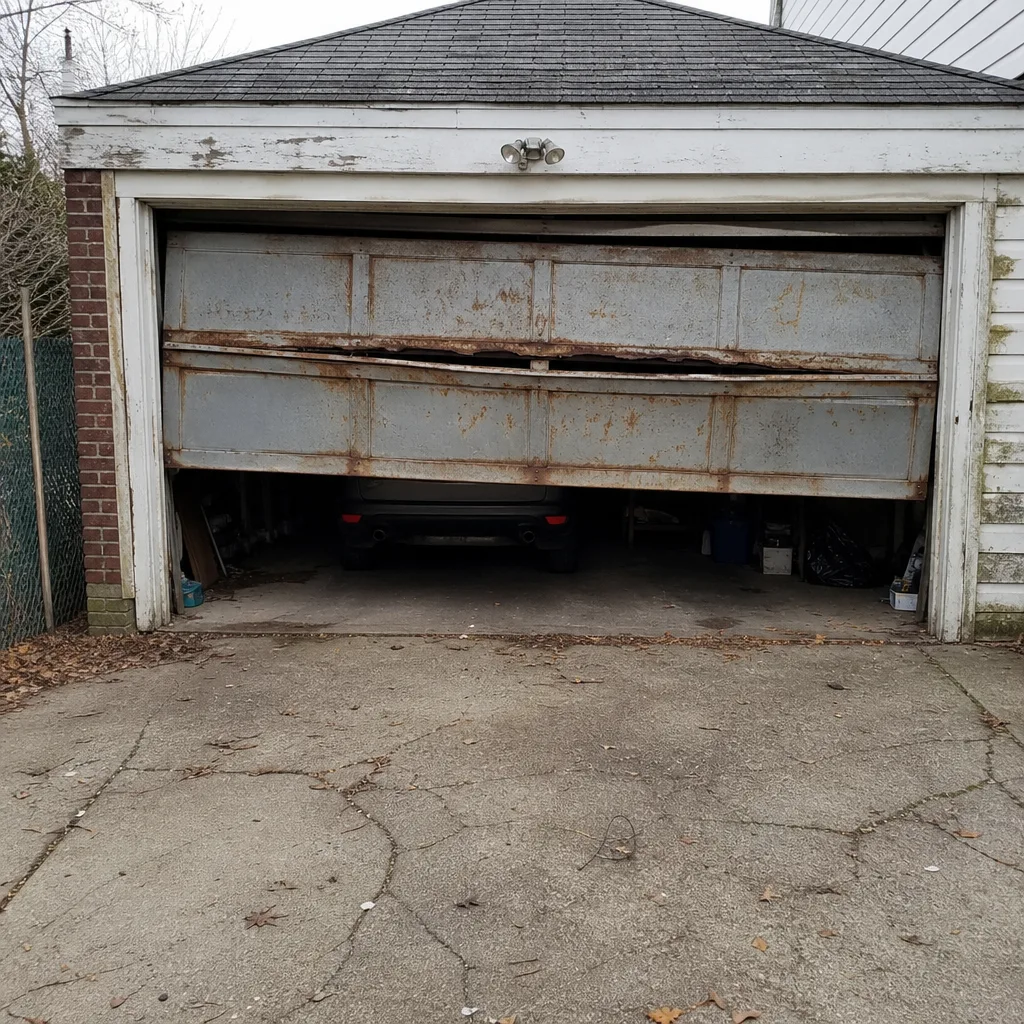 Before
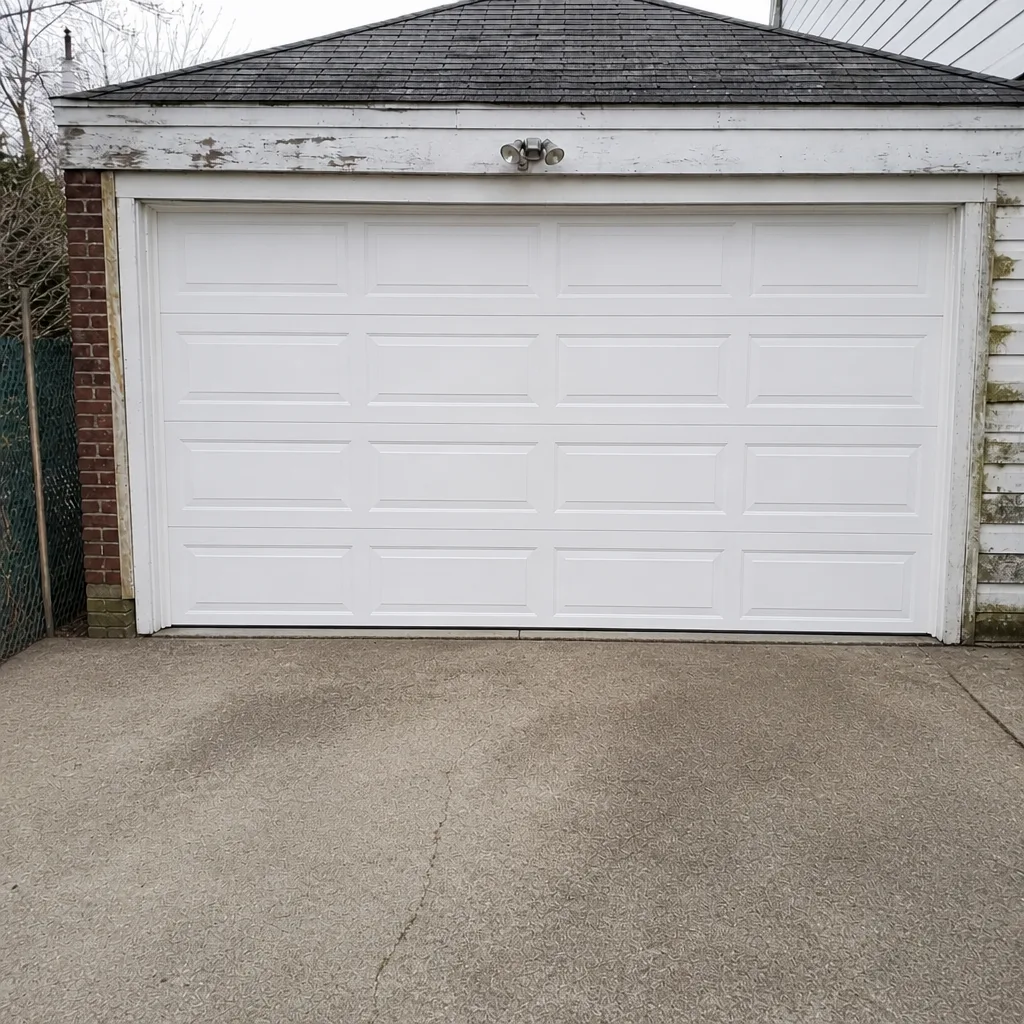 After
When to Call a Professional
Call a professional for anything involving springs, cables, tracks, or a door that’s off its path. These are the failures that can hurt you or make the repair bigger if handled wrong. Spring breaks, cable failures, doors that have jumped the track, and openers that keep running without moving the door all qualify. A door stuck open on a street-facing opening is also a call-now situation, because the security side can’t wait. Garage Door Repair Lower East Side offers free estimates in Lower East Side. Call (866) 937-7379. We answer 24/7. Fast dispatch from 7am to 7pm, Sunday through Friday. The price is agreed from the written estimate before any work starts, so you know the number before the repair begins.
Frequently Asked Questions
Secure the opening and keep everyone clear of the door and its springs, then call for emergency service. Don’t try to force a door with a broken spring or reach for a cable. If the door is stuck open on a street-facing garage, treat securing that opening as your first priority. Call (866) 937-7379 for an exact quote, and the estimate is free.
No. A door with a snapped spring is far heavier than it looks and can crash down or bend panels if you try to lift it. Leave it closed and have a professional handle it. Springs are under extreme tension and are never a DIY repair. Call (866) 937-7379 and we’ll book a visit. We answer 24/7.
Yes, we handle emergency garage door service for time-sensitive failures, including same-day repairs. Call (866) 937-7379 with your door size, brand, and what failed so the technician arrives with the right parts. We answer 24/7. Fast dispatch from 7am to 7pm, Sunday through Friday. A call outside dispatch hours is booked into the next opening, Sunday through Friday, 7am to 7pm.
If you heard a loud bang and the door feels very heavy or won’t lift by hand, it’s likely a spring. If the opener runs but nothing moves, or the door won’t respond at all, the opener or its sensor is the likely culprit. Describe both what you heard and what you see when you call, and we’ll diagnose it. Call (866) 937-7379 for an exact quote.
No. The written estimate sets the price, and it’s quoted and agreed before any work starts. We look at the door, tell you what’s wrong, and give you a written price before touching the repair. If the scope changes, we tell you before continuing. Call (866) 937-7379 for an exact quote, and the estimate is free.
Have your door dimensions, the door brand if you know it, the opener brand and type, a description of what failed, the door’s current position, and access notes for your building. That lets the technician bring the right parts and fix it the first visit. Call (866) 937-7379 to get it scheduled. We answer 24/7.
The Bottom Line
A garage door emergency in the Lower East Side is handled best by preparing before it happens and staying calm when it does. Secure the opening first, keep everyone clear of springs and cables, release the opener only safely, and have your door and opener details ready so the technician arrives with the right parts. Never force a failed door, and never touch a spring or cable. With those steps, a bad morning becomes a fixable problem instead of a dangerous one. Keep the number handy and let a professional handle the rest. Call (866) 937-7379 for a free estimate.
Written by the team at Garage Door Repair Lower East Side.