
Last updated November 21, 2026
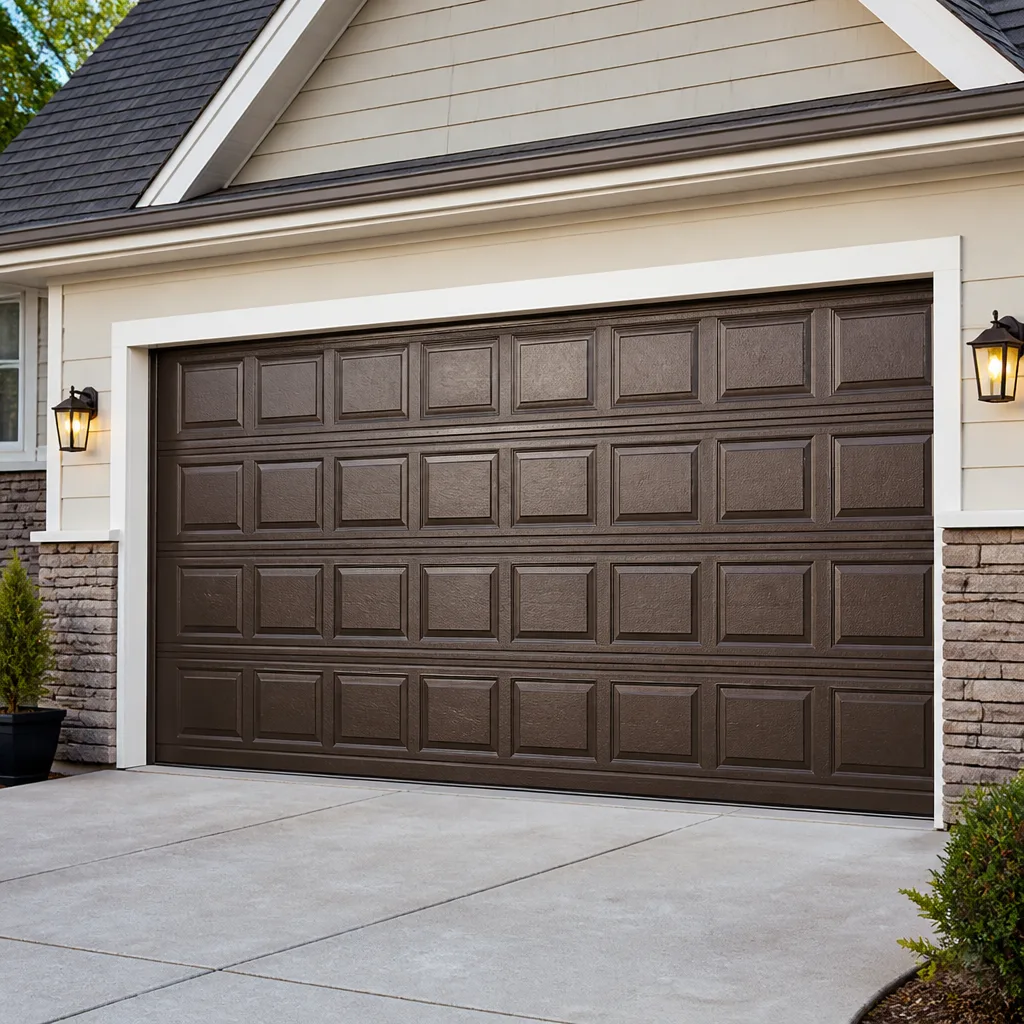 Raised-panel steel
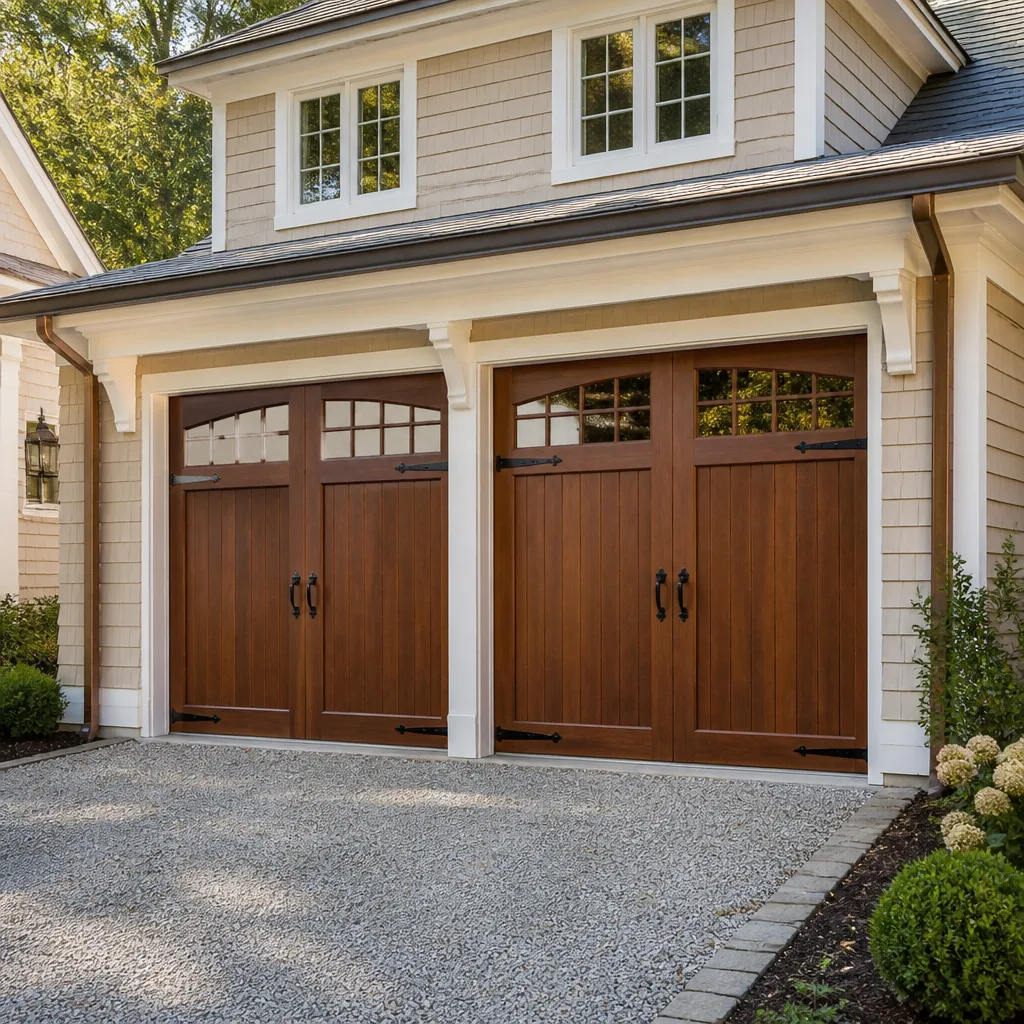 Carriage house
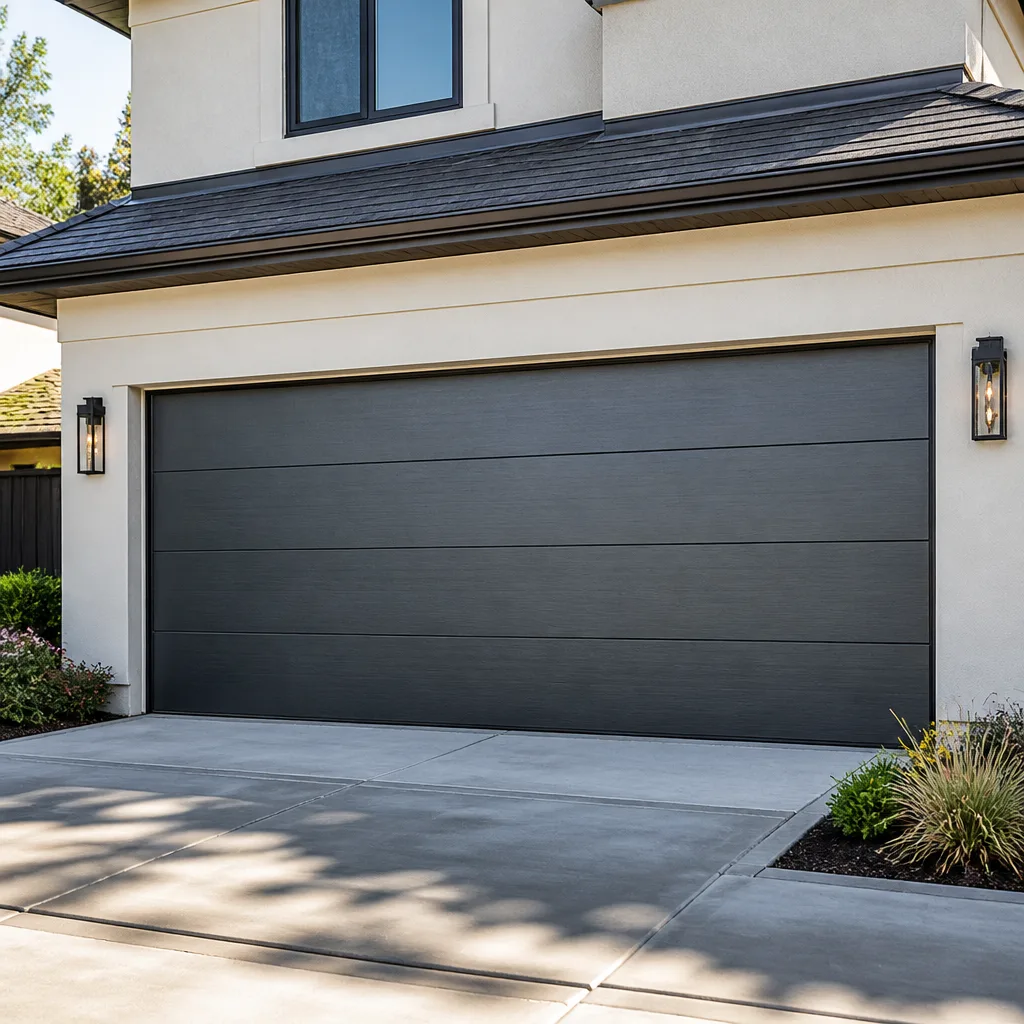 Modern flush
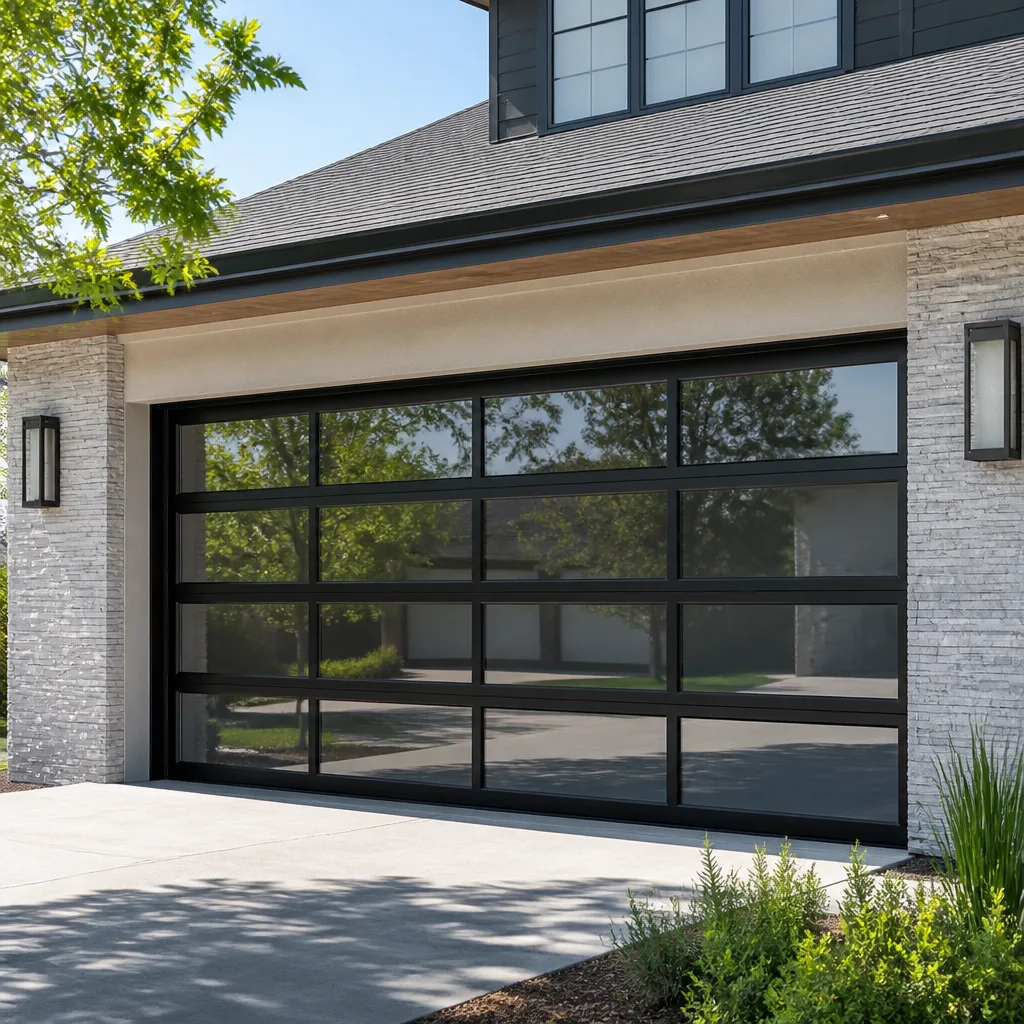 Full-view glass
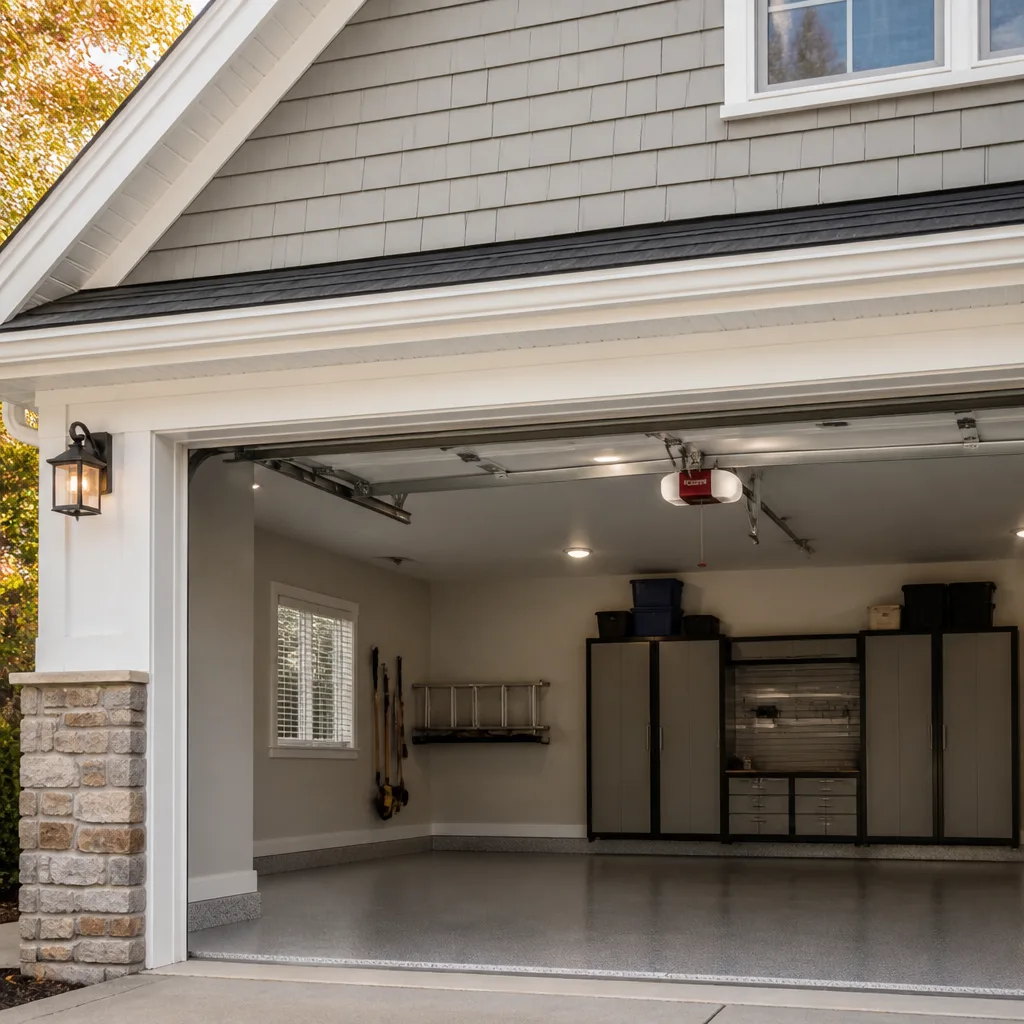 LiftMaster openers
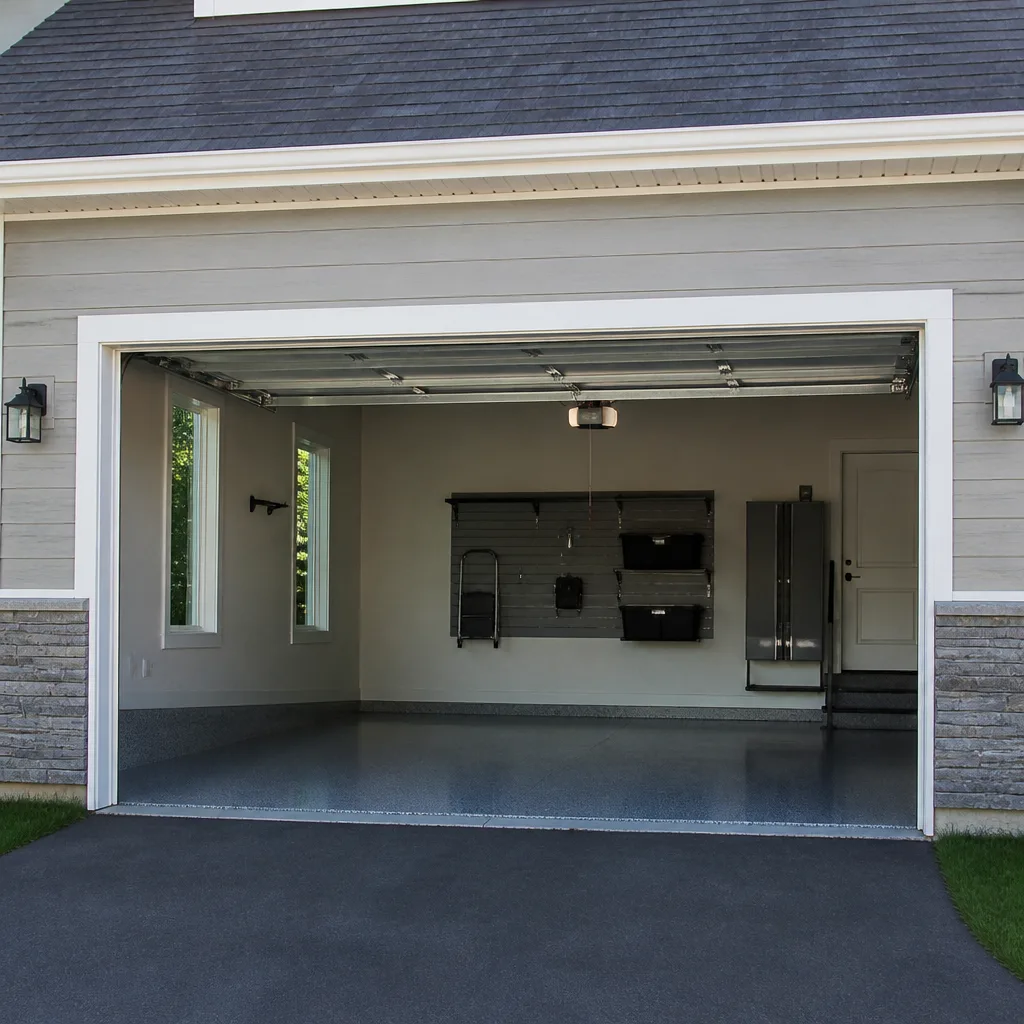 Chamberlain openers
Full 25-point door and opener safety check with every visit - springs, cables, rollers, tracks, and your LiftMaster or Chamberlain opener included
You get a price before we start. It does not change when the pro arrives.
Get your free estimateGarage Door Cost Breakdown: The Lower East Side Homeowner’s Reference for 2026
When a national site tells you a torsion spring replacement costs $150 – $350, they’re not accounting for the fact that a technician in the LES just spent 25 minutes finding legal parking, another 15 navigating a shared building entry, and is working in a space with 6 inches of clearance on either side of the door. That gap between the national average and what actually lands on your invoice is exactly what this guide closes. You’ll get itemized Lower East Side price ranges, material costs for new doors, and a line-by-line way to read any quote so nothing surprises you at the end.
Quick Answer
Most common garage door repairs in the Lower East Side run roughly $280 – $650, with spring replacement the single most frequent job at about $280 – $520 for a pair. A new door installation typically lands between $2,400 and $7,500 depending on material and building access. The written estimate you receive before work starts is the price you pay.
Styles & brands we work with
- Raised-panel steel
- Carriage house
- Modern flush
- Full-view glass
- LiftMaster openers
- Chamberlain openers
Table of Contents
- Why garage door costs run higher in the Lower East Side
- Itemized repair costs for LES homes
- What emergency service actually adds
- New door installation costs by material
- How to read a quote line by line
- The real cost of waiting on a worn part
- Common mistakes to avoid
- Frequently asked questions
Why garage door costs run higher in the Lower East Side
Garage door pricing across New York City generally sits 20 – 40% above the national averages quoted on most guides, and the Lower East Side adds its own layer. This isn’t padding or a city premium pulled from thin air. It’s labor time and logistics that a calculator-based estimate never sees.
Here’s what actually changes the number when a technician pulls up to a Lower East Side building:
- Parking and access time. Legal parking near a shared building entry can take 20 minutes or more. That time is real labor, and it lands on the job.
- Shared entries and narrow bays. Many LES buildings have a tight garage bay, a shared driveway, or a door set close to a wall. Working with a few inches of clearance on either side of the door slows every step.
- Building access coordination. Reaching a residential garage often means working around a doorman, a keyed entry, or a neighbor’s vehicle. That coordination is part of the job in a dense neighborhood and rarely applies in the suburbs.
- Older door systems. Buildings in the Lower East Side frequently have doors and openers of varying vintage. Parts aren’t always the current model, so a technician may need to source a compatible component rather than pull a standard one.
- Older wiring and mounting. Opener repairs in a prewar building can involve mounting or wiring that needs extra care, and that care takes time.
None of this means you’re being overcharged. It means a Lower East Side quote reflects a job done in a dense, old, tightly packed neighborhood, and a fair quote says so line by line. When you compare a local estimate with a national average, compare it with these factors in mind.
Itemized repair costs for LES homes
These are typical, estimated ranges for the most common Lower East Side repair jobs, with city labor already factored in. The final price is set by the written estimate for your specific door.
- Torsion spring replacement (pair): about $280 – $520. Springs are usually replaced as a matched pair, so a single-spring price would be roughly half this range. Never quote one spring price for both; a pair is the realistic job.
- Extension spring replacement (pair): about $240 – $440, depending on door weight and configuration.
- Cable replacement: about $220 – $420 for the pair. Cables under tension are a genuine hazard, so this is not a job to attempt yourself. A trained technician handles it safely.
- Panel replacement (single section): about $300 – $700, depending on the material match and whether the panel is still produced for your door line.
- Roller and hinge refresh: about $180 – $350 for a full set, a job that quiets a rattling door and eases opener strain.
- Opener replacement (standard, belt or chain drive): about $450 – $850 installed, with smart-home-compatible units from LiftMaster, Chamberlain, Genie, or Craftsman at the upper end.
- Opener repair (board, gear, or sensor): about $200 – $420 depending on the part.
These ranges assume a straightforward bay. A tight LES installation with limited clearance can push toward the top of the range because the work simply takes longer.
For a full itemized quote on your door, garage door repair starts with a free estimate, and the price is agreed before any work begins.
What emergency service actually adds
A door that won’t close leaves a garage open. A door that won’t open traps a car before work. Those are the two situations that genuinely call for emergency service, and it’s worth understanding how urgent work fits into a bill before you’re standing in it.
Emergency garage door service is a core part of what we do, not an afterthought. Here’s how to think about when it’s worth it:
- Call emergency service when the door is stuck open or the garage can’t be secured. This is the clearest case. A door that won’t close needs attention.
- Call emergency service when a vehicle is trapped and you need it now. A door that won’t open before a shift or an appointment is a real problem.
- Call emergency service when a cable has snapped or a spring has broken with the door in a bad position. A door hanging at an angle under a broken spring is a safety concern, not just an inconvenience.
- Schedule next-day when the door still opens and closes safely. A noisy roller, a slow opener, or a cosmetic dent doesn’t need urgent attention. Scheduling saves you the rush.
Here’s the part most guides get wrong. The price for urgent work is set per job by the written estimate, the same as any other job. There’s no separate overnight rate we quote, and we won’t describe a surcharge that doesn’t apply. What does change with urgency is timing and logistics, not a hidden markup.
We answer 24/7. A call outside dispatch hours is booked into the next opening, Sunday through Friday, 7am to 7pm. Fast dispatch, 7am-7pm.
New door installation costs by material
A new door is a different kind of purchase than a repair. It’s measured, ordered, and scheduled, so the timeline runs on lead times rather than same-day response. Here are typical estimated installation ranges for the Lower East Side, with local complexity factored in:
- Steel (single-car): about $2,400 – $4,200 installed. Steel is the most common choice for durable, low-maintenance residential doors.
- Steel (double-car): about $3,800 – $6,000 installed, depending on insulation and window options.
- Aluminum (full-view or glass-panel): about $3,500 – $6,500 installed. Popular on modern Lower East Side renovations.
- Wood composite: about $4,200 – $7,500 installed, tied to the door’s finish and hardware.
- Opener added at installation: about $450 – $850 more for a new smart-compatible unit.
Why does installation cost more in the Lower East Side than the same door quoted nationally? Building access is the main reason. A new door arrives as a large, heavy section that has to be moved through a shared entry, a narrow bay, or a tight driveway. Measuring and fitting in a small bay takes more time than a suburban two-car garage with open space on all sides. A door that has to thread past a low ceiling or a tight side clearance adds fitting time in every material category above.
Brand choice matters less to the price than the door’s specifications. Clopay and Amarr both make doors across the range, and a Wayne Dalton or LiftMaster opener pairs cleanly with most new installs. For the full measure-and-order process, garage door installation covers the details.
How to read a quote line by line
A fair quote is specific. It names the part, the labor, and the door it applies to. Here’s how to tell legitimate urban costs from padding:
- Look for a part description and model. A legitimate spring line names the spring type and size. “Spring repair” alone is a red flag.
- Check whether springs are quoted as one or a pair. A matched pair is normally replaced together, so a quote for a single spring on a two-spring door is usually a job that’s only half done. A pair costs about twice a single spring.
- Accept access and adjustment lines, question vague “miscellaneous” fees. A line for parking or building access coordination is a real urban cost. A catch-all fee with no description is padding.
- Confirm the opener or door model if it’s included. A replacement opener should be named so you can look it up.
- Check whether disposal of the old door or parts is listed. Removing a full door is real work, and a professional quote says so.
- Look for a total and a statement that this is the price before work starts. The written estimate sets the final price.
A quote you can’t read is a quote you can’t trust. If a line doesn’t make sense, ask what it covers before you agree. A straightforward quote explains it. For repairs to your opening system specifically, garage door opener repair is worth a look before you commit to a swap.
The real cost of waiting on a worn part
Deferring a worn part isn’t free. A frayed cable that becomes a snapped cable can cost about three times more to repair than the cable replacement would have, and a snapped cable can damage the opener in the process. What was a $220 – $420 job can turn into a cable replacement plus opener repair, pushing the total past $600.
The pattern repeats with springs. A tired spring that’s still lifting the door is a spring that’s about to fail. When it does, it can bend the door panel, strain the opener, or leave the door stuck at a bad angle. Each of those outcomes adds to the final repair bill.
This is why a technician who sees a worn cable during a routine repair will usually point it out. Fixing it now is cheaper than fixing it after a failure. It’s the same principle a doctor uses when a small problem is caught early: the treatment is smaller and the bill is smaller. If you’ve noticed a door that’s getting slower, louder, or harder to close, that’s the sign to schedule a look before a part fails. Waiting to save on one repair usually costs more across two.
Common Mistakes to Avoid
- Quoting one spring price for a two-spring door. Most double doors run a matched pair, so a single-spring price is only half the job. Confirm whether the pair is included before you agree to a number.
- Comparing a Lower East Side quote against a national average. National guides don’t see the parking, the shared entry, or the tight clearance. Compare local quotes against each other, not against a calculator from another state.
- Attempting a spring or cable job yourself. Springs and cables are under high tension and can cause serious injury. A trained professional handles these safely; this is one place not to save.
- Skipping the written estimate. A verbal number can grow. Get the price in writing before work starts, and keep it.
- Ignoring a fraying cable or a noisy opener. Small worn parts become expensive failures. A cable that snaps can take the opener with it.
- Choosing a new door on material alone. In a small LES bay, a door that doesn’t fit the clearance is a problem no material upgrade fixes. Measure first, then choose.
- Signing a quote with a catch-all “miscellaneous” fee. Ask what it covers. A quote that can’t explain itself usually has padding inside.
See the difference
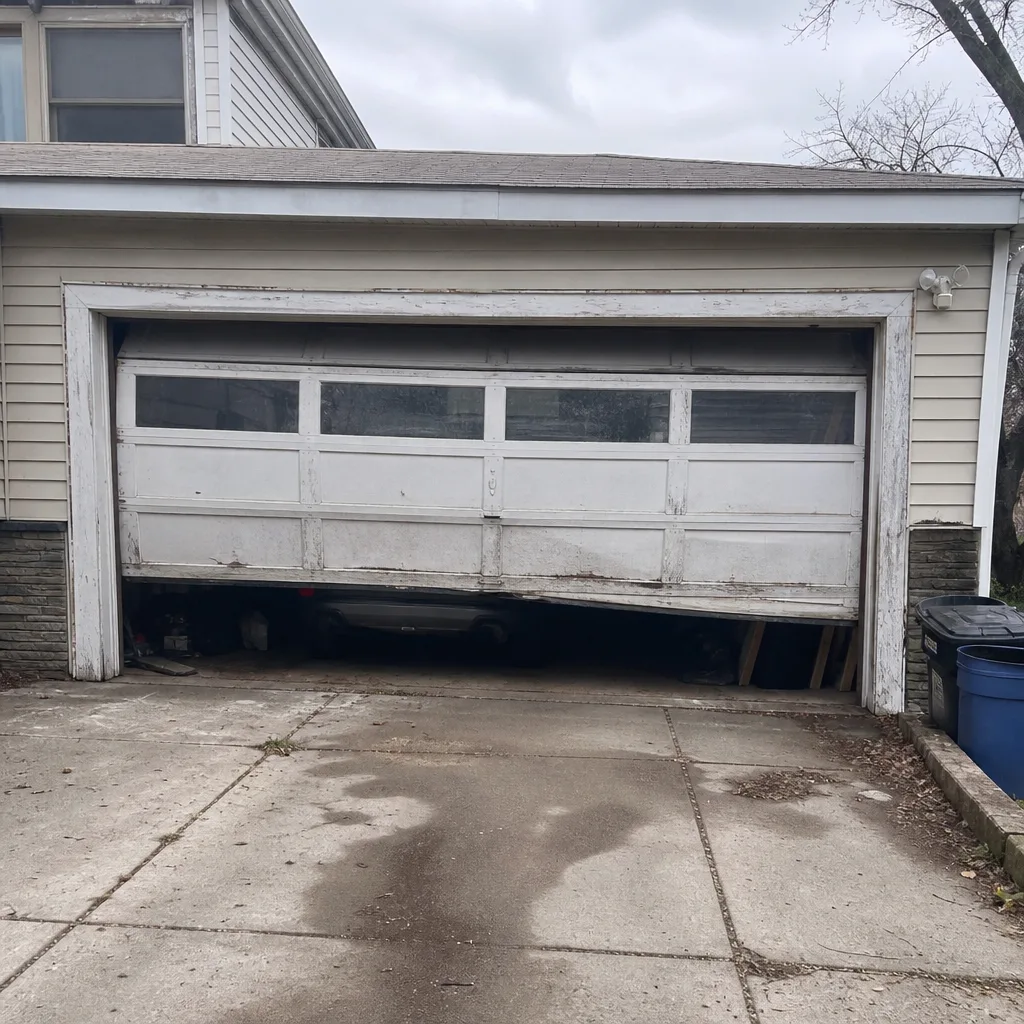 Before
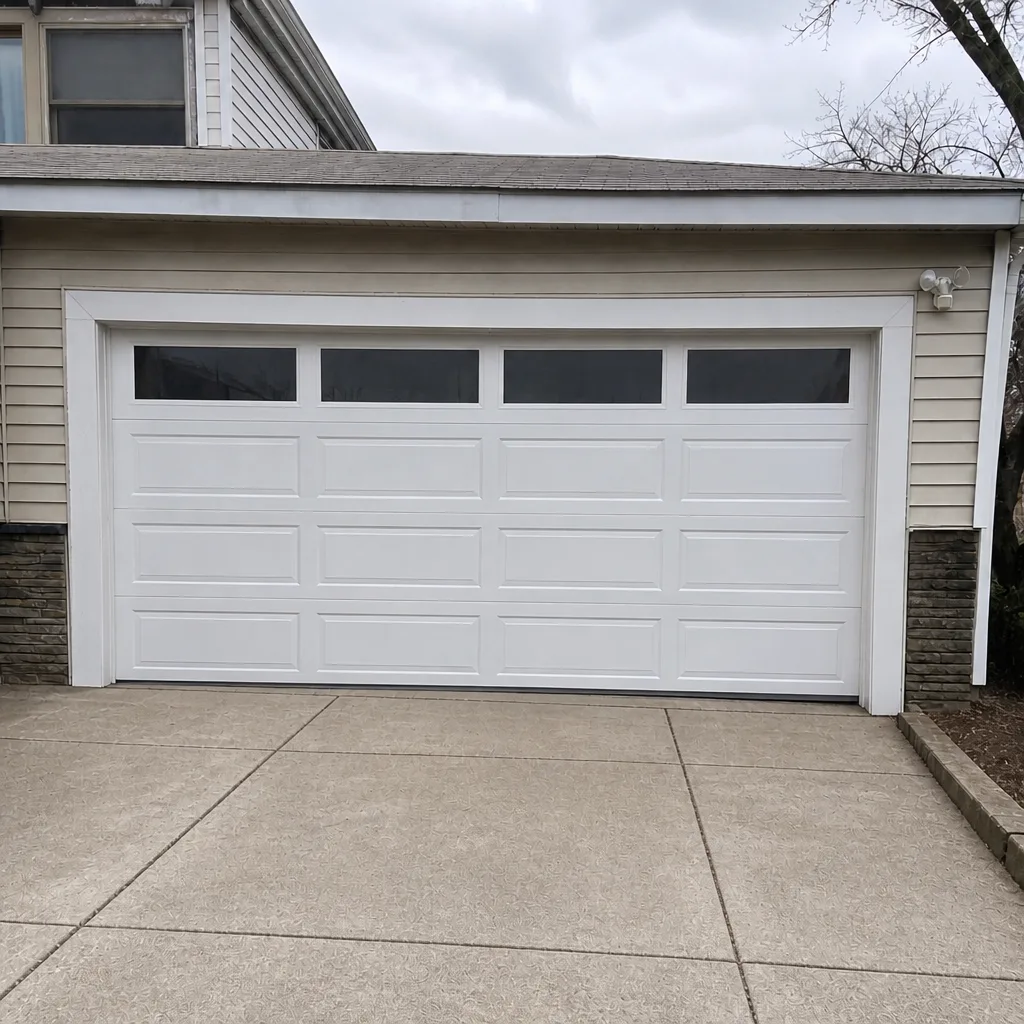 After
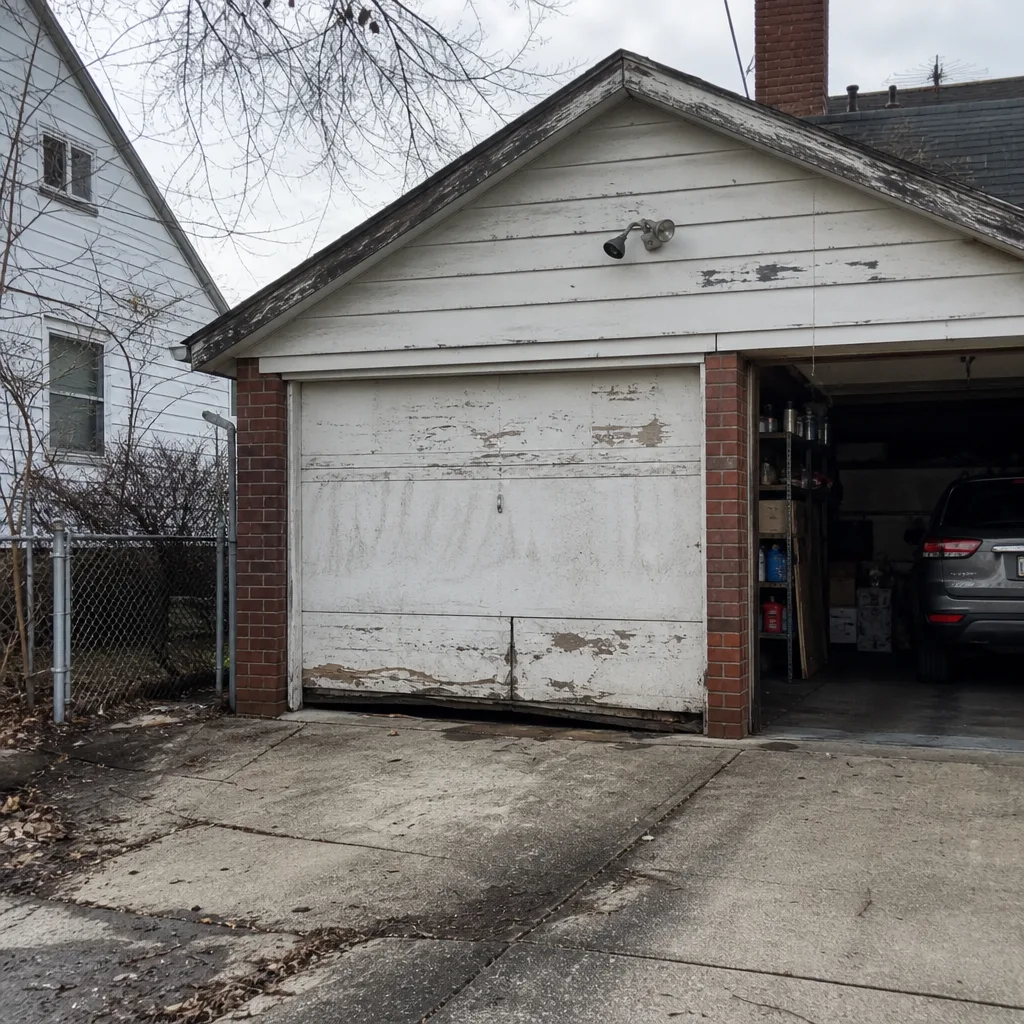 Before
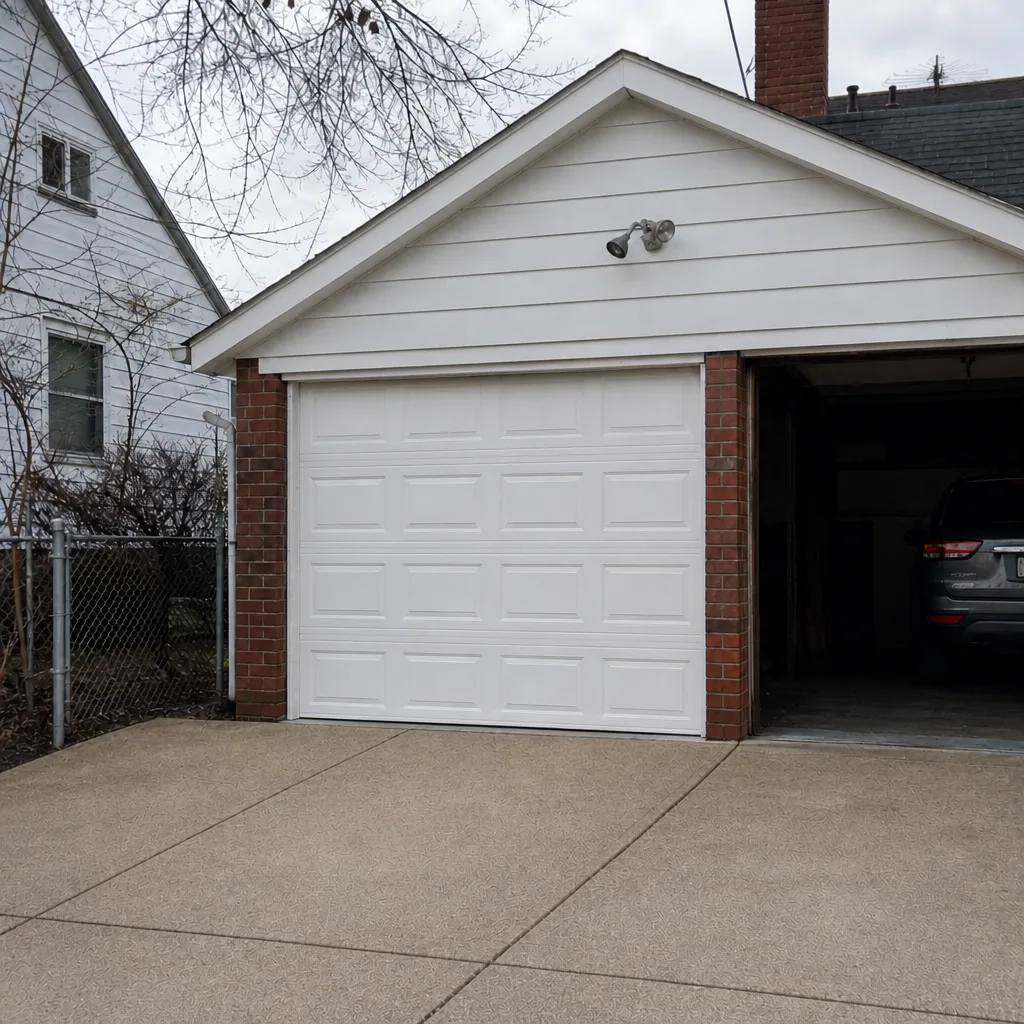 After
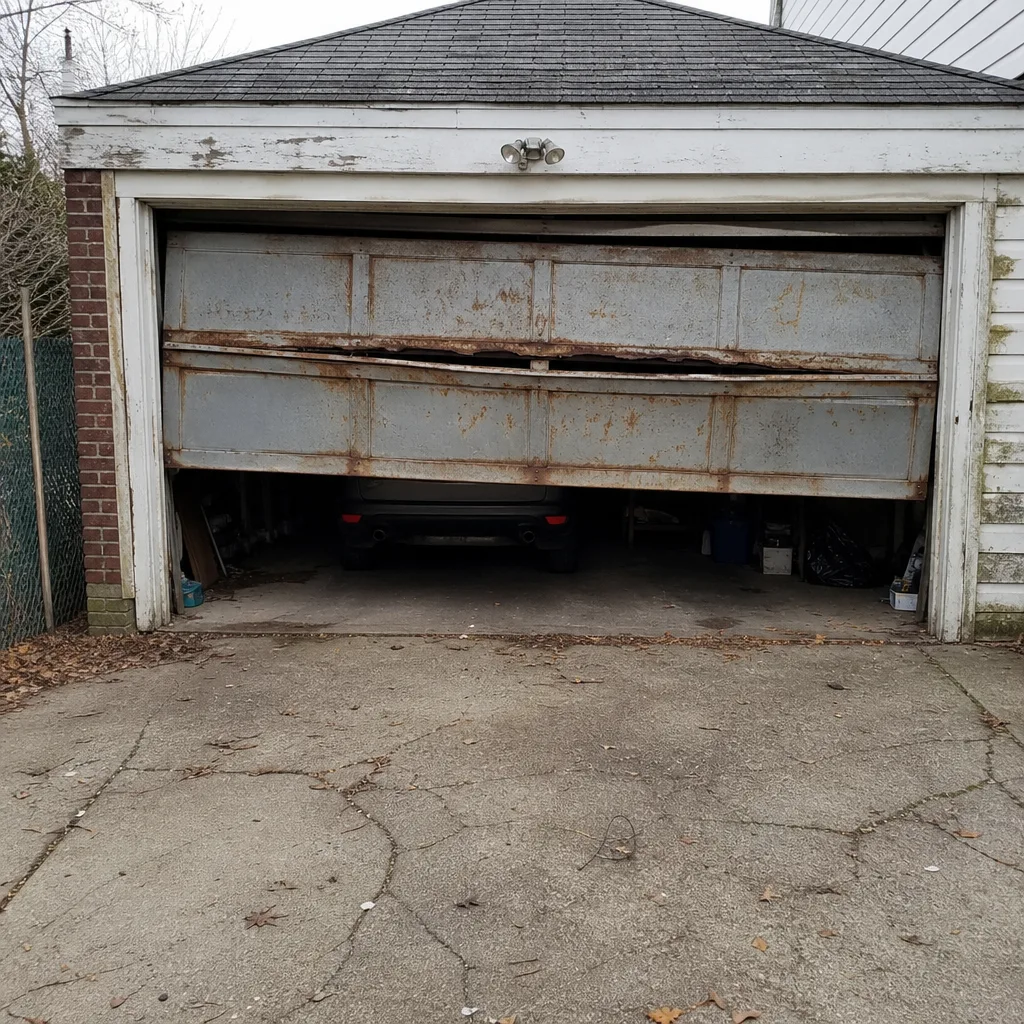 Before
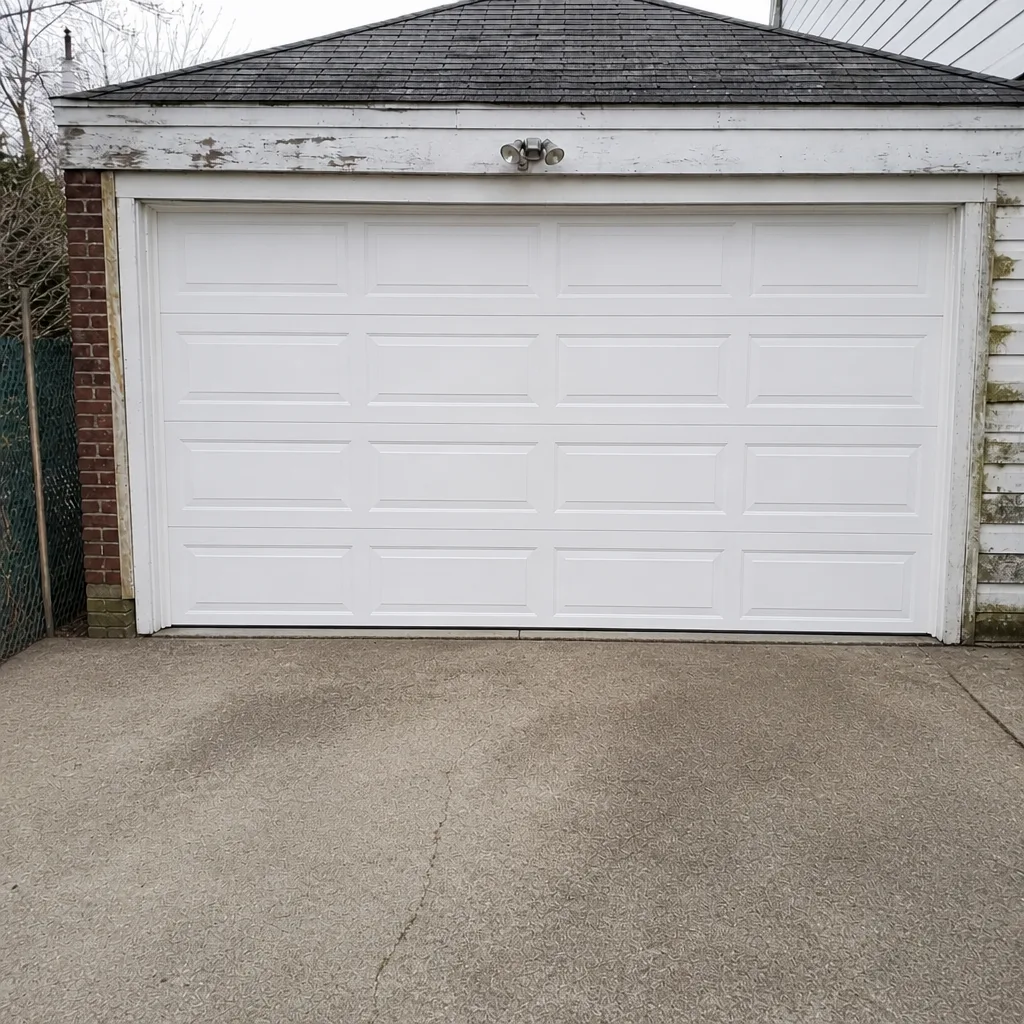 After
When to Call a Professional
Call a trained professional when the door won’t close or won’t open, when a spring or cable has snapped, when the door hangs at an angle, or when the opener hums but doesn’t move the door. These are the cases where a careful technician prevents further damage and keeps you safe. Springs and cables are under high tension, so leave them to a pro.
For a slower job, call when the door is getting noisy, the opener is straining, or you’re planning a new door and want a measure. Garage Door Repair Lower East Side offers free estimates in the Lower East Side. Call (866) 937-7379. We answer 24/7. Fast dispatch from 7am to 7pm, Sunday through Friday, and we’re closed Saturday.
Frequently Asked Questions
About $280 – $520 for a matched pair, typically estimated for a Lower East Side home. A single spring is roughly half that range, but most double doors replace the pair together. Call (866) 937-7379 for an exact quote. Estimates are free.
Yes, for most repairs. We answer 24/7 and dispatch fast from 7am to 7pm, Sunday through Friday. A call outside those hours is booked into the next opening. Call (866) 937-7379 to confirm availability.
No, the written estimate is the price, and it’s agreed before any work starts. If a technician finds something extra while on site, that gets discussed with you before it’s added. Call (866) 937-7379 for an exact quote.
The local pro we connect you with is licensed and insured as their state requires. Our technicians have up to 13 years of experience across LiftMaster, Chamberlain, Genie, Clopay, Amarr, Wayne Dalton, Craftsman, and Raynor systems. Call (866) 937-7379 to get scheduled.
Parking and building access add real labor time, and older bays with tight clearance slow every step. That’s a genuine urban cost, not padding. A fair quote breaks it out line by line so you can see what you’re paying for.
About $2,400 – $7,500 installed, depending on material and bay complexity. Steel runs the lower end, wood composite the higher. This is a measure-and-order job, scheduled once the door is measured. Call (866) 937-7379 for a free measure and written price.
The Bottom Line
Lower East Side garage door pricing runs 20 – 40% above the national numbers most guides publish, and the neighborhood adds its own real costs through parking, access, and tight bays. The ranges in this guide are your starting point: spring repair at $280 – $520 for a pair, cable replacement at $220 – $420, opener replacement at $450 – $850, and new doors at $2,400 – $7,500 depending on material. Read every quote line by line, confirm whether springs are quoted as one or a pair, and never skip the written estimate. Fix a worn part before it fails, because a snapped cable costs about three times more than the cable would have.
When you’re ready, Garage Door Repair Lower East Side is the place to start. Call (866) 937-7379 for a free estimate. We answer 24/7. Fast dispatch from 7am to 7pm, Sunday through Friday, and we’re closed Saturday.
Written by the team at Garage Door Repair Lower East Side.