
Last updated November 21, 2026
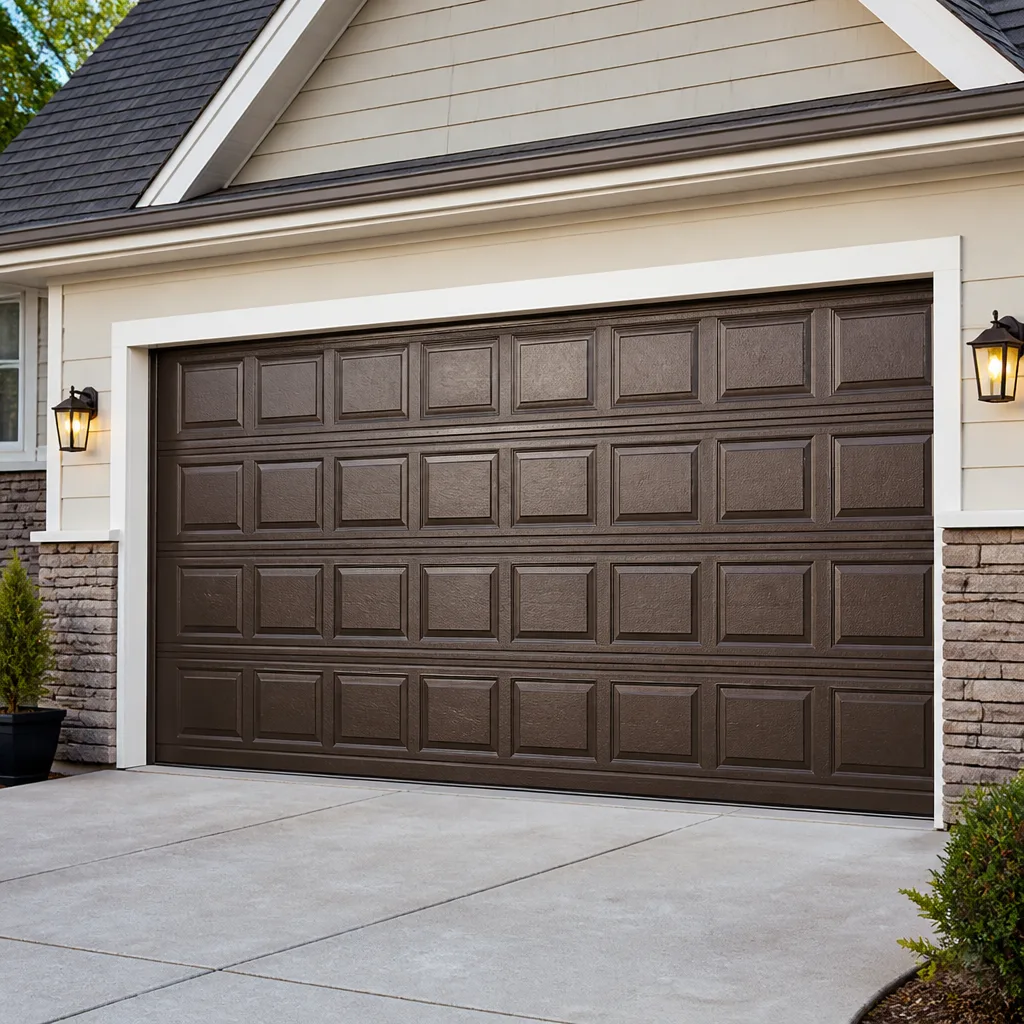 Raised-panel steel
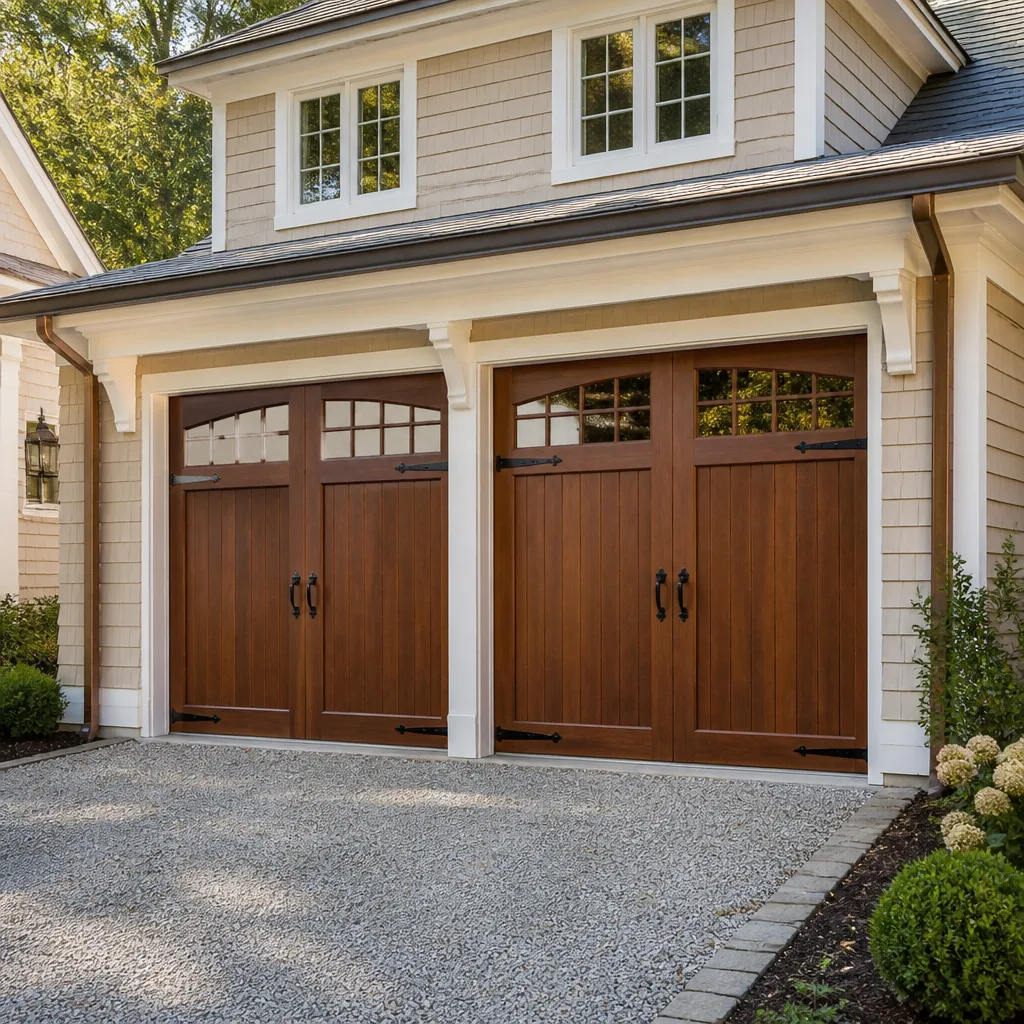 Carriage house
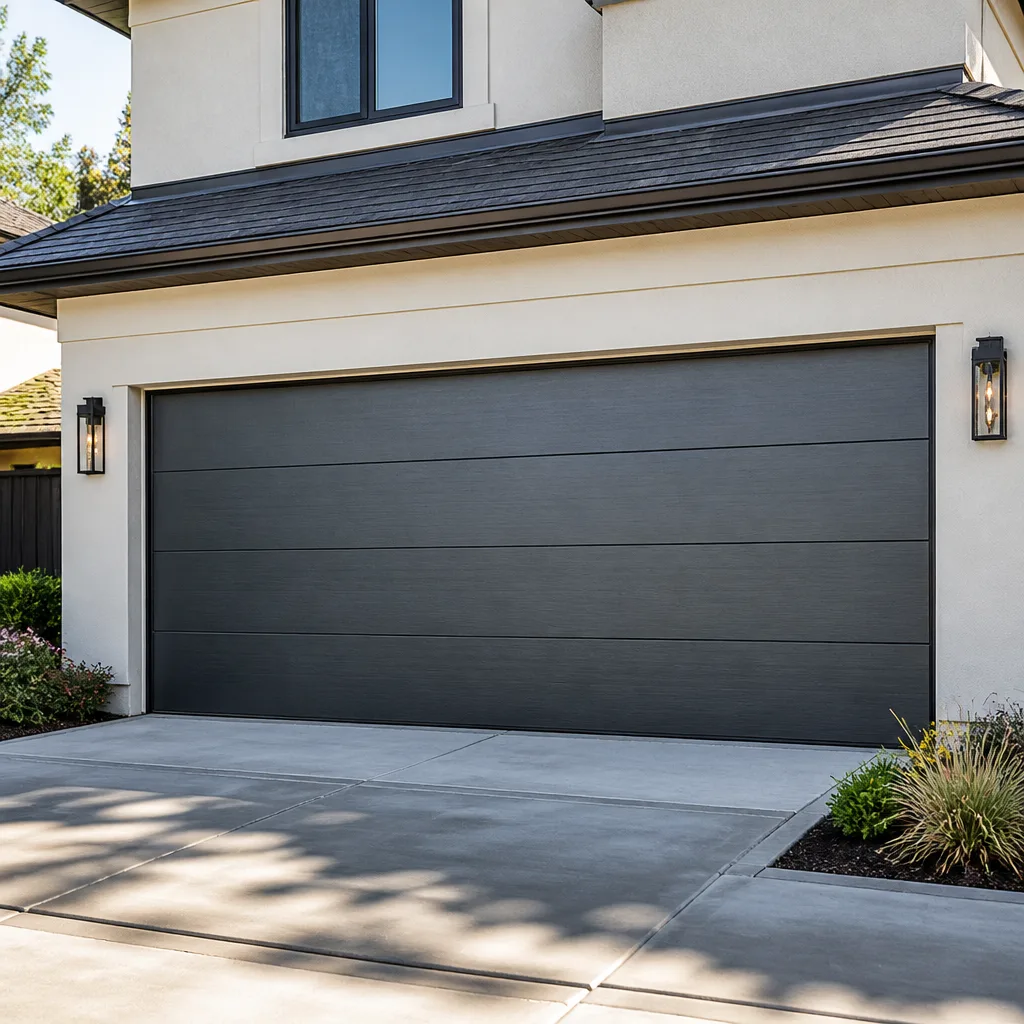 Modern flush
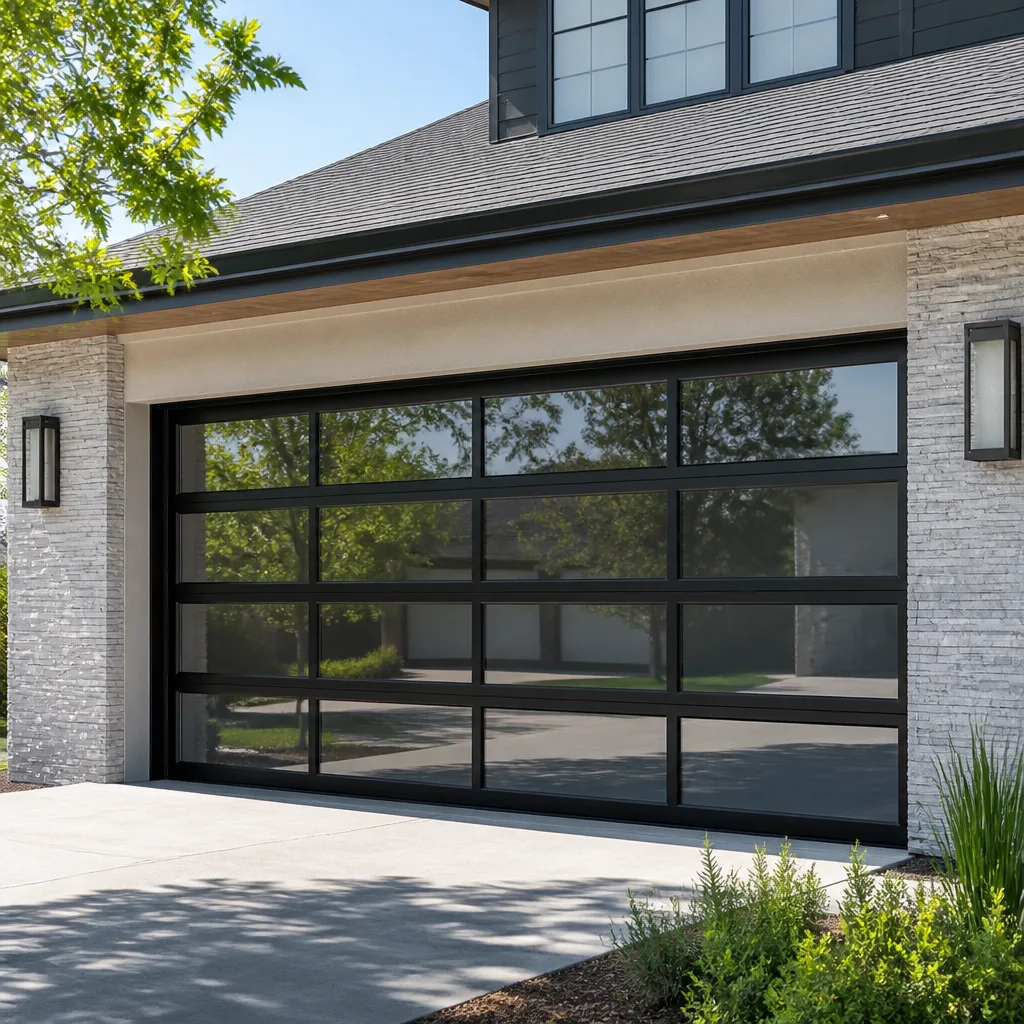 Full-view glass
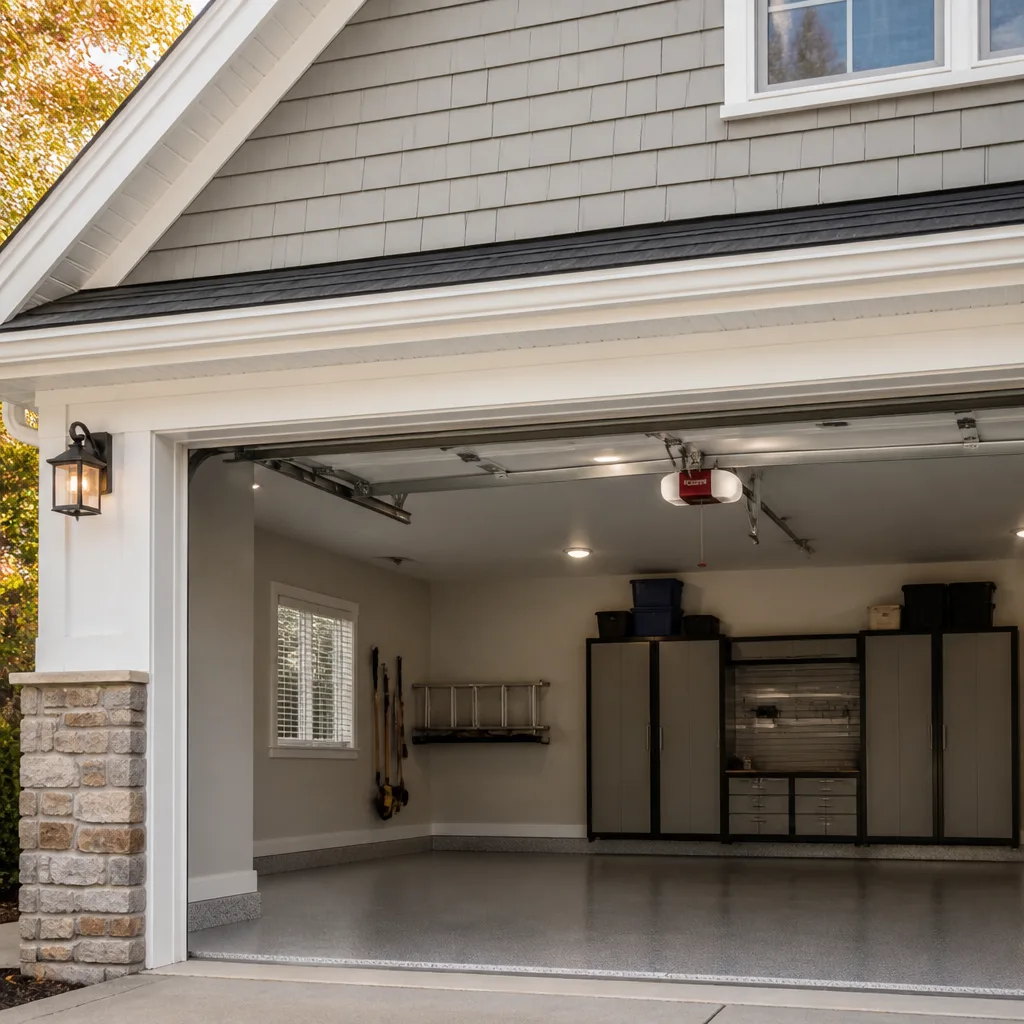 LiftMaster openers
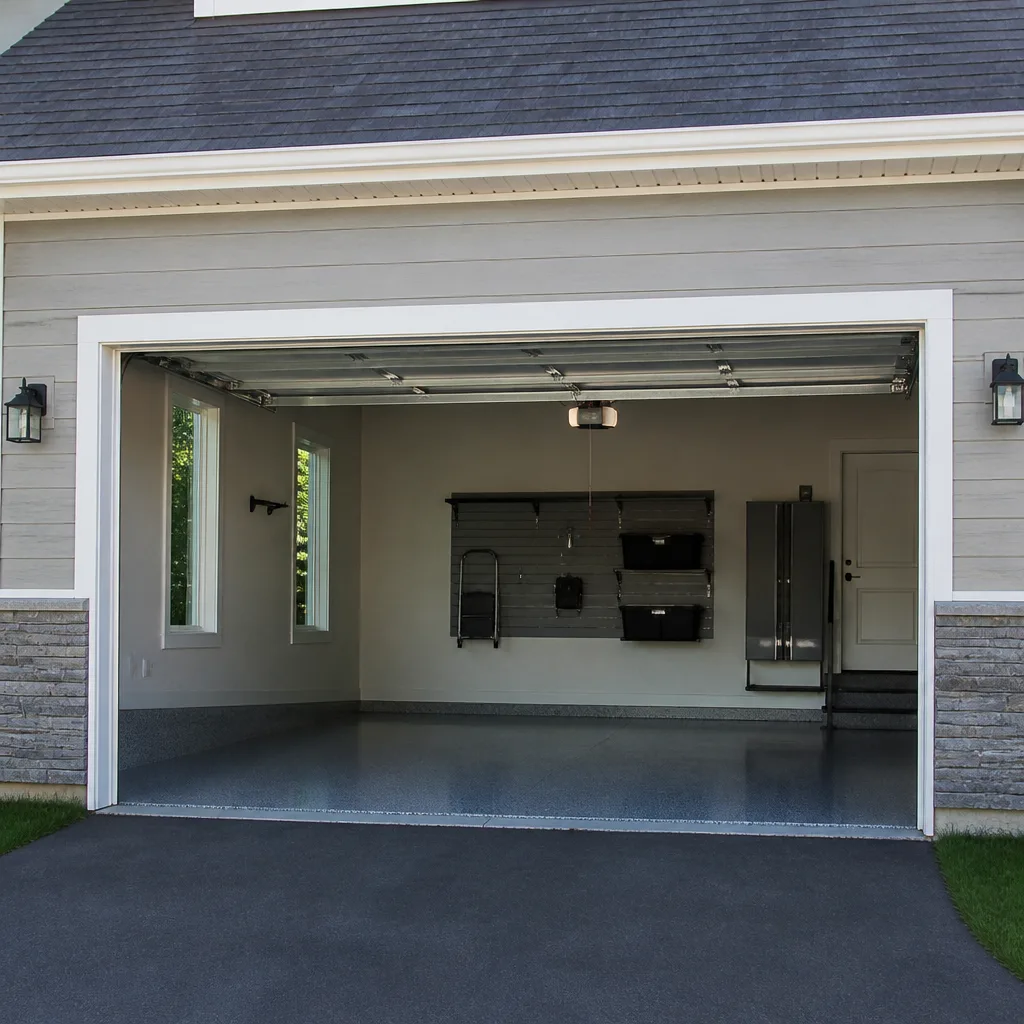 Chamberlain openers
Full 25-point door and opener safety check with every visit - springs, cables, rollers, tracks, and your LiftMaster or Chamberlain opener included
You get a price before we start. It does not change when the pro arrives.
Get your free estimateChoosing the Right Garage Door Brand: A Buyer’s Guide for Lower East Side
Most Lower East Side buyers think brand choice is about looks. It isn’t. The garage doors that fail early on these blocks almost never fail because someone picked a “bad” brand. They fail because someone picked a great brand’s light residential line for a door that opens eight, ten, twelve times a day at street level, where the panels face humidity, road grit, and temperature swings that a suburban driveway never sees. The brand was fine. The spec was wrong. This guide is about matching brand and spec to how a Lower East Side door actually gets used, so you spend once and stop thinking about your garage door for a long time.
Quick Answer
The right garage door brand for a Lower East Side property is the one whose cycle rating, corrosion protection, and local parts supply all match your actual daily use, not the fanciest name on a showroom wall. For most street-level urban garages that means a steel or aluminum door rated well above builder-grade cycles, a matched opener from the same tier, and a brand with distributor stock in the NYC metro. We work on LiftMaster, Chamberlain, Genie, Clopay, Amarr, Wayne Dalton, Craftsman, and Raynor, so we can tell you honestly which one fits your building.
Styles & brands we work with
- Raised-panel steel
- Carriage house
- Modern flush
- Full-view glass
- LiftMaster openers
- Chamberlain openers
Table of Contents
- Cycle ratings: what 10,000 versus 25,000 cycles really means
- Corrosion resistance: why galvanized and aluminum-core panels win here
- Parts availability in the NYC metro market
- Opener and door pairing: the mismatch that kills both
- Warranty reality check for commercial-intensity use
- How Clopay, Amarr, Chamberlain, and Genie compare in practice
- Why the installer matters as much as the brand
- A step-by-step way to choose
Cycle ratings: what 10,000 versus 25,000 cycles really means
A cycle rating is simply the number of open-and-close cycles a door is engineered to survive before you should expect meaningful wear on the springs, hinges, and rollers. A 10,000-cycle door in a household that opens it four times a day will last far longer than the same door in a building where it opens eight or ten times. The door doesn’t know the difference. The math does.
Here’s the part the marketing language hides: cycle ratings on doors and springs are often quoted separately, and the springs are usually the first thing to go. A builder-grade door paired with a 10,000-cycle spring set is a common combination, and in a high-traffic Lower East Side building that spring set can be the weak link long before the panels show any wear.
Run the arithmetic before you buy:
- Count how many times your door actually opens and closes on a typical day. Don’t guess. Count it.
- Multiply by roughly 365 to get a yearly cycle count.
- Divide the rated cycles by that yearly figure to get an expected lifespan in years.
- If the result is shorter than you’d like, ask for a higher-cycle spring and door spec, not a different brand name.
For a Lower East Side property opening the door eight times a day, you’re near 3,000 cycles a year. A 25,000-cycle spec stretches that out considerably compared to a 10,000-cycle one. That’s the whole argument for stepping up: it’s not about prestige, it’s about the number of times the door has to work before something needs attention. When a spring does eventually fail, garage door repair is a job for a trained technician, because the springs are under extreme tension and are genuinely dangerous to handle.
Corrosion resistance: why galvanized and aluminum-core panels win here
Lower East Side garages sit at street level in a dense, humid, high-traffic environment. Air moves between buildings and carries moisture, road dust, and the general grit of a busy neighborhood. That environment is hard on a painted steel surface, and it’s exactly where the panel finish matters as much as the brand name on the door.
Three panel constructions come up most often, and they don’t age the same way:
- Galvanized steel is coated with zinc during manufacture, so the base metal resists rust even where the paint is scratched or chipped. In a humid urban setting this is the practical baseline, and it’s what we’d recommend for most street-level doors.
- Aluminum-core panels won’t rust at all, which makes them a strong fit for ground-level doors and for panels that get frequent contact. They dent more easily than steel, so weigh that trade-off.
- Painted steel with a thin finish looks fine on day one and is the most likely to show bubbling and edge rust first, especially on the bottom panel closest to the street.
Brands differ in how generous their galvanizing and finish coatings are, and the spec sheet tells you more than the showroom display. When you compare Clopay and Amarr models, for instance, look at the panel construction and finish warranty rather than the color range. The finish warranty is often a decent proxy for how much confidence the manufacturer has in the coating. If you’re replacing panels rather than a whole door, that’s a repair conversation, and the crew that handles your garage door opener repair or panel work can advise on whether a patch or a full garage door installation makes more sense for the condition of the door.
Parts availability in the NYC metro market
This is the factor buyers overlook most, and it’s the one that can turn a two-hour fix into a two-week wait. A door is a mechanical system with rollers, hinges, cables, springs, and an opener, and any of those can wear out. What matters is whether the brand’s parts are sitting in distributor stock in the NYC metro or have to ship from a regional warehouse.
In our experience, the brands that serve Lower East Side buildings well are the ones with established local distribution. When a hinge or a spring needs replacing, a brand with metro-area stock means the part is available and the job gets done on the first visit. A brand outside that network can leave you waiting on a shipment while the door stays stuck.
How to check before you commit:
- Ask the installer which distributor supplies that brand in the NYC metro, and how quickly common wear parts are available.
- Confirm that the opener model you’re considering is a current model, not a discontinued line, so remote and logic-board parts stay available.
- Ask whether the brand’s warranty service runs through local distributors or requires shipping parts out.
- For a multi-unit building, ask specifically about availability on springs and hinges, since those wear first.
We keep this in mind when we recommend a system, because we’d rather point you to a brand whose parts we can get quickly than to one that looks good on paper and stalls on delivery. If your door is already down and you’re weighing options, Garage Door Repair Lower East Side can help you decide whether to repair or replace based on what’s actually available.
Opener and door pairing: the mismatch that kills both
A premium door with a cheap opener, or a top-tier opener struggling to lift a heavy door it was never sized for, is the most common way a good investment gets wasted within a couple of years. The door and the opener are a system. Pair them like a system.
The mismatch usually shows up as one of three symptoms: the opener strains and cycles the door slowly, the door’s balance and spring load are wrong for the opener’s lifting capacity, or the safety sensors and limits drift out of adjustment because the opener wasn’t designed for that door’s weight. None of that is a brand failure. It’s a pairing failure.
A few pairing principles that hold across brands:
- Match the opener’s lifting capacity to the door’s actual weight and size, with margin to spare.
- If you’re choosing a smart-home-compatible opener, the well-supported options are the LiftMaster, Chamberlain, Genie, and Craftsman lines, which is where most connected-home interest sits. Chamberlain and Genie both have strong track records on the residential side.
- Don’t put a builder-grade opener on a heavy insulated door just because the opener is the cheaper line item. The opener will wear out first, and the door will feel wrong the whole time.
- If you’re keeping your door, confirm the new opener is compatible with its weight and balance before you buy the opener.
The safest move is to let the installer size the opener to the door in the same conversation. When both halves come from the same tier, the door lifts cleanly, the opener lasts, and you’re not back on the phone in a year. If your current opener is on its way out, we can take a look and tell you whether a repair or a replacement is the better call.
Warranty reality check for commercial-intensity use
Residential limited warranties are written for residential use, and “residential” in a warranty document usually assumes a handful of cycles a day. A Lower East Side door that opens eight or ten times a day in a building with several units can fall outside the spirit of that warranty even if it’s technically a house. That’s the gap most buyers don’t see until they file a claim.
Before you buy, read the warranty in three places:
- What’s covered. Panels, springs, hardware, and the opener are often on separate schedules with different terms. Know which is which.
- What counts as misuse. Exceeding a rated cycle count or using the door in a commercial-intensity way often falls into a gray zone the warranty can use to limit a claim.
- What the upgrade path looks like. Several brands, including Amarr on the door side, offer commercial-grade or extended-cycle options that carry stronger coverage for high-traffic use. Ask specifically what the upgraded warranty covers and for how long.
The practical takeaway: if your door is doing commercial-intensity work, ask about the commercial-grade spec even if the building is residential. The warranty discussion will tell you quickly whether the model you’re looking at is built for your usage or just sold for it.
How Clopay, Amarr, Chamberlain, and Genie compare in practice
Brand comparisons are only useful when they’re tied to how a door gets used. Here’s how we’d frame the brands that come up most in Lower East Side conversations, without pretending one is right for every building.
Clopay has a deep residential line and a strong range of panel styles and insulation levels, which makes it easy to match a door to the look of a building. The thing to watch is which line you’re being quoted. The entry-level models are fine for low-cycle use, but for a high-traffic door you want to step up to the heavier spec.
Amarr is a solid choice when you want strong value across steel door lines and a clear upgrade path to commercial-grade specs. If warranty length on a high-cycle door matters to you, it’s worth a close look at what Amarr offers on the higher-tier models.
Chamberlain and its related opener lineup are a standard choice on the opener side, with broad support for smart-home connectivity and parts that local distributors carry. Genie is a long-established alternative with its own strengths, and both are reasonable picks as long as the opener is sized to the door.
Our advice is to pick the door and opener by spec, then confirm brand availability. We service all of these brands, so we don’t have a horse in this race. We’d rather you end up with the right system than the right nameplate.
Why the installer matters as much as the brand
You can buy the best door on the market and still have a bad door if the installation is off. Track alignment, spring tension, and opener calibration all affect how long the system lasts, and a door installed slightly out of true will wear its hardware faster than a lesser door installed correctly. On a street-level Low East Side door that opens several times a day, small installation errors compound quickly.
What to look for in the installer:
- Trained, insured technicians who are comfortable across multiple brands, not just one.
- A clear written estimate before work begins, so you know what you’re paying for.
- Experience with both repair and new installation, so the same team can size the door and opener together.
- Willingness to talk through cycle ratings and warranty terms, not just style and color.
Our technicians have up to 13 years of experience, and we handle everything from a snapped spring to a full new door and opener, so there’s no handoff between contractors. We answer 24/7. Fast dispatch, 7am-7pm, Sunday through Friday. If your door is down right now, call us and we’ll get a technician out.
A step-by-step way to choose
When you’re ready to buy, work through it in this order. It keeps you from being led by looks or by a sales pitch.
- Count your cycles. Estimate how many times the door opens and closes each day, then multiply to get your yearly figure.
- Pick the cycle rating to match. Choose a door and spring spec that comfortably exceeds your yearly use, not one that just meets it.
- Check the panel construction. For street-level Lower East Side doors, lean toward galvanized steel or aluminum-core panels over thin painted steel.
- Confirm parts availability. Verify the brand has local NYC metro distributor stock for common wear parts and that your opener model is current.
- Size the opener to the door. Match opener lifting capacity to the door’s weight and size, and decide on smart-home compatibility if you want it.
- Read the warranty against your usage. Ask about the commercial-grade or extended-cycle upgrade if your door is doing high-traffic work.
- Get a written estimate before work starts. Confirm the installed price and the scope, so there are no surprises once the job begins.
Common Mistakes to Avoid
- Buying on style alone. The best-looking door in the showroom may be a light-duty model that won’t hold up to high daily cycles in a Lower East Side building. Check the spec before the color.
- Ignoring the spring rating. The springs are often the first thing to fail, and a builder-grade spring on a busy door is a short-lived combination. Ask what cycle rating the springs carry.
- Mismatching door and opener. A cheap opener on a heavy door, or a premium opener on a door it wasn’t sized for, wears both out faster. Pair them from the same tier.
- Assuming a residential warranty covers heavy use. Commercial-intensity use can fall outside a residential limited warranty. Ask about the upgrade path before you buy.
- Choosing a brand with no local parts stock. A door that can’t get a hinge or spring quickly leaves you waiting. Confirm NYC metro availability before committing.
- Skipping the written estimate. Verbal guesses lead to invoice surprises. Get the price and scope in writing before anyone touches the door.
- Trying to adjust a heavy door yourself. Springs and cables are under extreme tension and can cause serious injury. Leave the balancing and repair to a trained technician.
See the difference
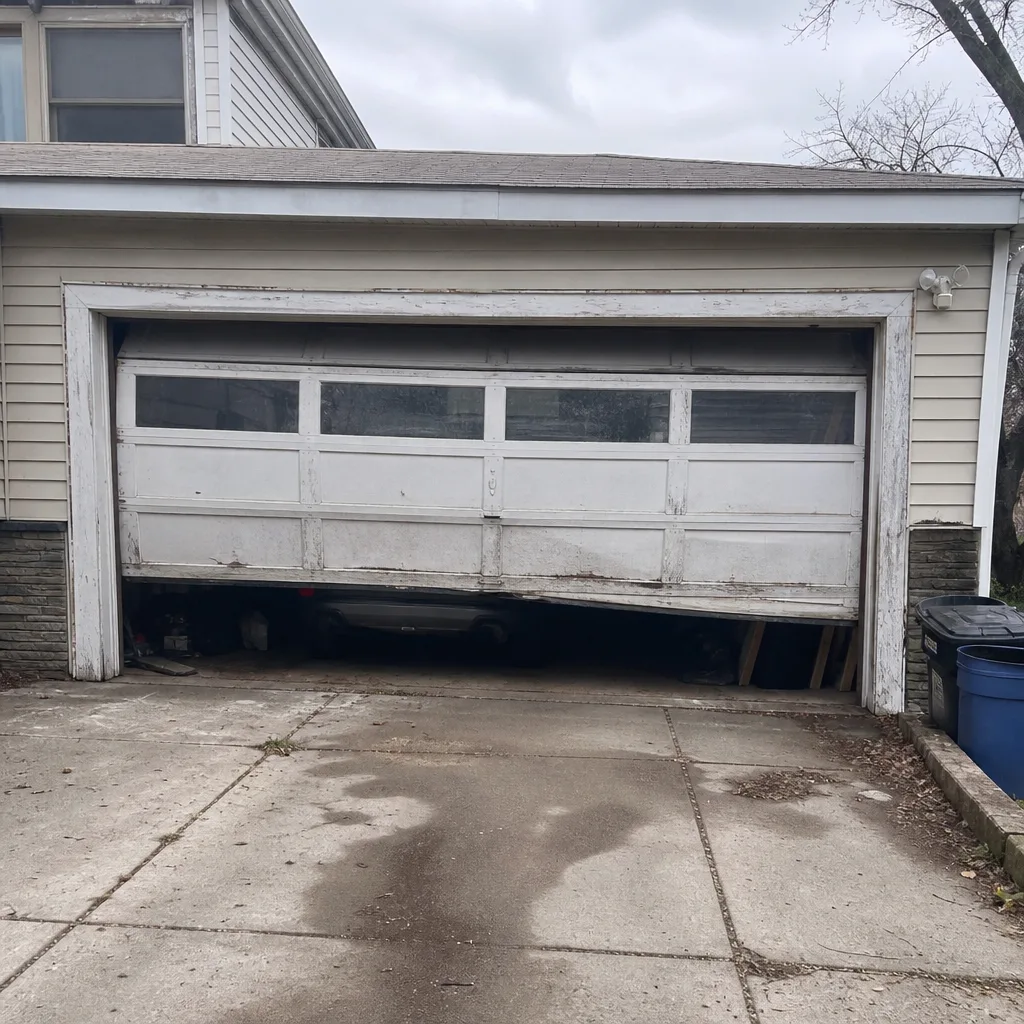 Before
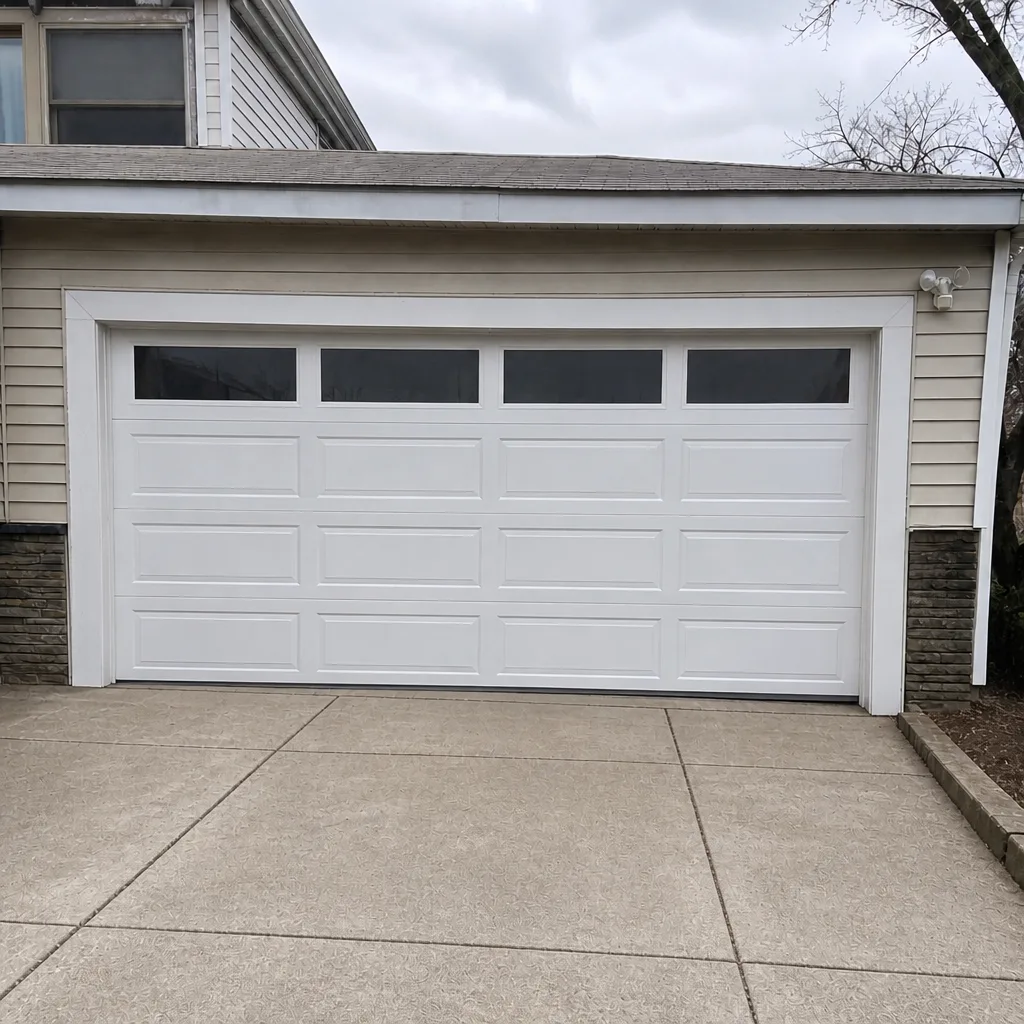 After
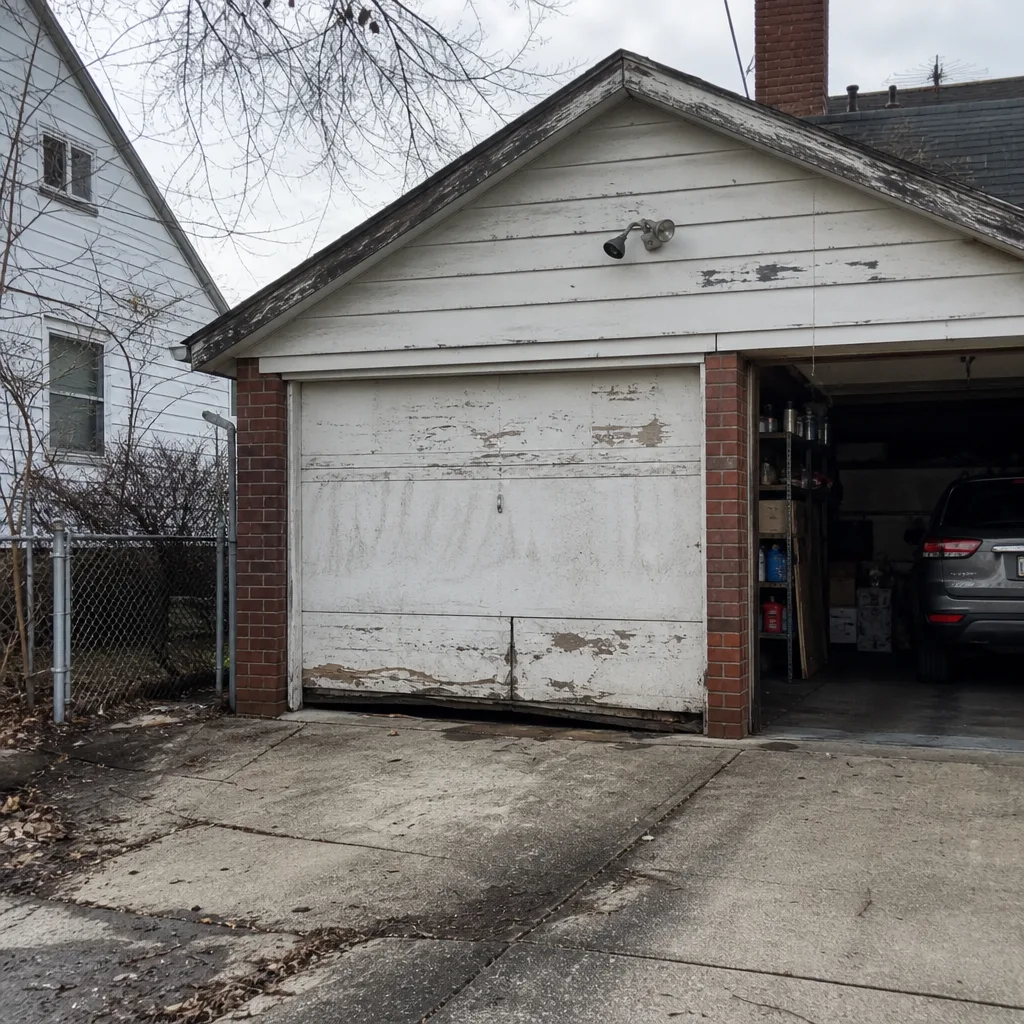 Before
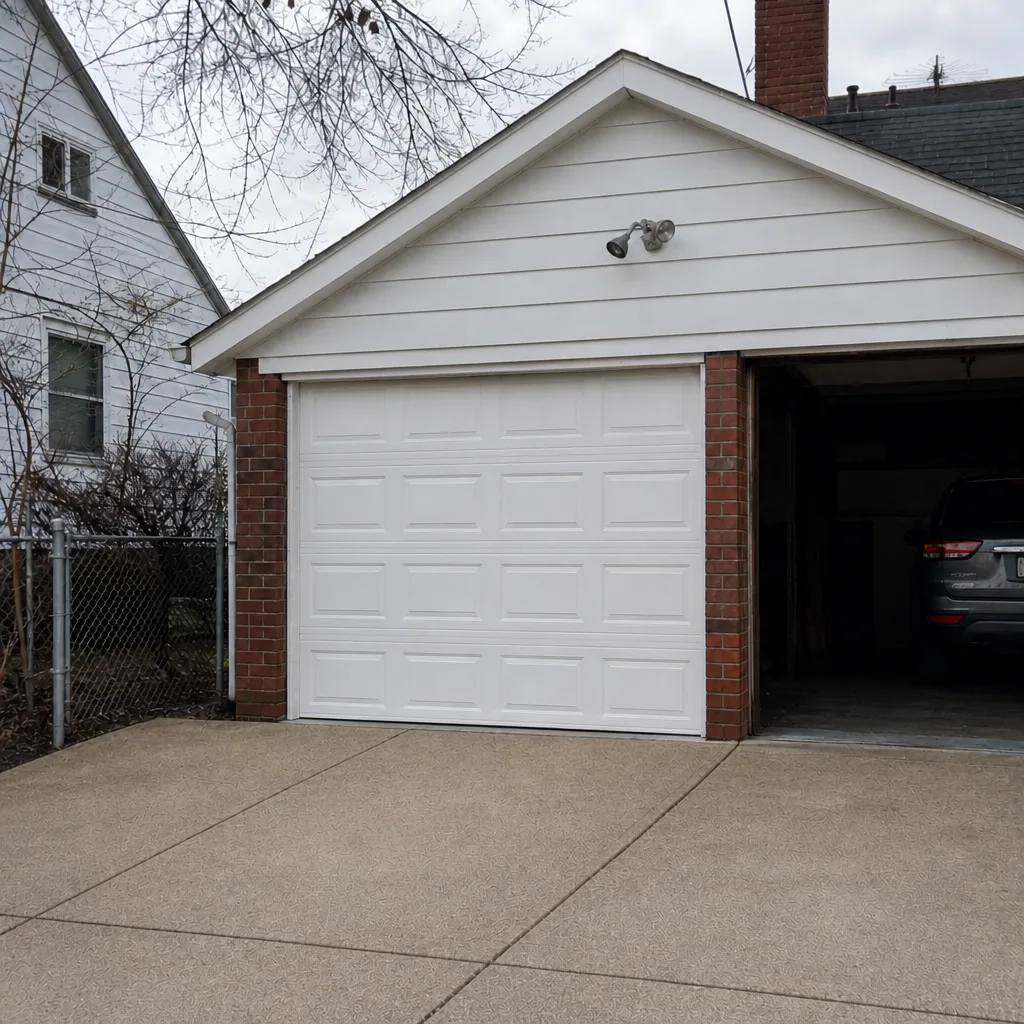 After
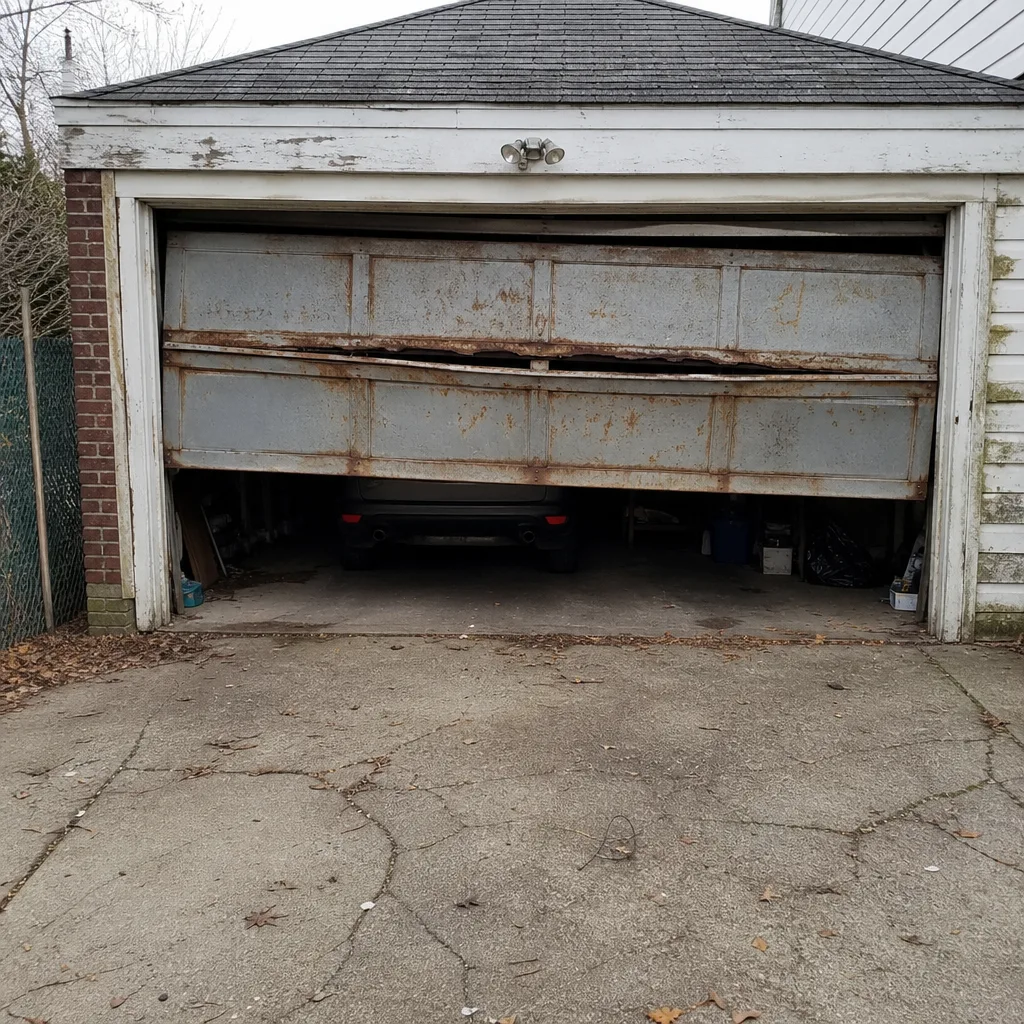 Before
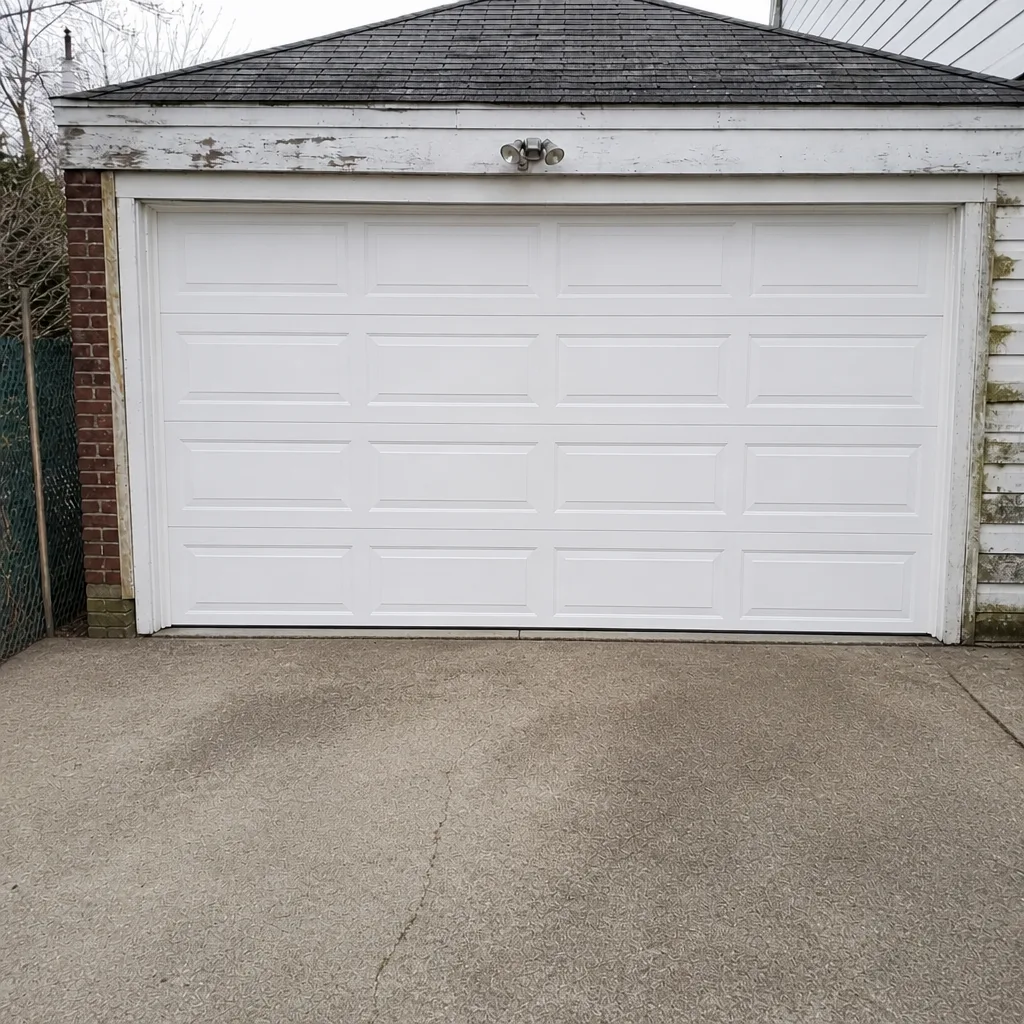 After
When to Call a Professional
Some things are safe to check yourself: whether the door is balanced, whether the safety sensors are aligned, whether the opener responds to the remote. But springs, cables, and anything involving the torsion system under tension are a genuine hazard, and a door that comes off its track can fall. If the door won’t open or close, if you hear a bang from the spring area, if the door is visibly crooked, or if the opener is straining, call a professional. We offer free estimates in Lower East Side. Call (866) 937-7379. We answer 24/7. Fast dispatch from 7am to 7pm, Sunday through Friday.
Frequently Asked Questions
There’s no single best brand, but for most street-level Lower East Side garages a steel or aluminum door rated well above builder-grade cycles, paired with a matched opener from the same tier, is the right call. Clopay and Amarr both offer strong steel lines with upgrade paths, and Chamberlain and Genie are solid opener choices. The brand matters less than matching spec to your daily use. Call (866) 937-7379 for an exact quote on your building; estimates are free.
It means the door or spring is engineered to survive that many open-and-close cycles before you should expect meaningful wear. A door opening eight times a day runs near 3,000 cycles a year, so a 25,000-cycle spec lasts considerably longer than a 10,000-cycle one in high-traffic use. Match the rating to your actual cycles, and ask about higher-cycle springs if your door opens often.
Street-level doors in a dense, humid neighborhood face moisture, road grit, and temperature swings that a sheltered suburban door never sees. Galvanized steel resists rust even where the paint is scratched, and aluminum-core panels won’t rust at all, which makes both better fits than thin painted steel for a ground-level door. Check the panel construction and finish warranty, not just the color.
Ask the installer which distributor supplies that brand in the NYC metro and how quickly common wear parts like hinges and springs are available. Confirm the opener model is current rather than discontinued, and ask whether warranty service runs through local distributors. A brand with local stock gets you fixed on the first visit rather than waiting on a shipment.
No. We quote the price in writing and agree it with you before any work starts, so the written estimate is the price. If we find something that changes the scope, we tell you before we proceed. Call (866) 937-7379 to book a free estimate.
In most cases, yes. Same-day service is available for urgent failures, and we handle springs, openers, panels, and full doors. Call (866) 937-7379. We answer 24/7. Fast dispatch from 7am to 7pm, Sunday through Friday. A call outside dispatch hours is booked into the next opening.
The Bottom Line
Choosing a garage door brand for a Lower East Side property is a spec decision before it’s a brand decision. Match cycle rating to how often your door actually opens, favor galvanized steel or aluminum-core panels for a humid street-level environment, confirm the brand has local NYC metro parts stock, and pair the door with an opener sized to it from the same tier. Read the warranty against your real usage and ask about commercial-grade upgrades if your door is doing heavy work. Get the price in writing before work starts. We work on all of the major brands, and we’re glad to help you sort out which one fits your building.
Garage Door Repair Lower East Side offers residential and commercial garage door services across Lower East Side, including repair, new installation, opener repair, spring repair, and emergency service. Our technicians have up to 13 years of experience. We answer 24/7. Fast dispatch, 7am-7pm, Sunday through Friday. Call (866) 937-7379 for a free estimate and we’ll help you get it fixed right the first visit, or plan a new door from the start.
Written by the team at Garage Door Repair Lower East Side.