
Last updated November 21, 2026
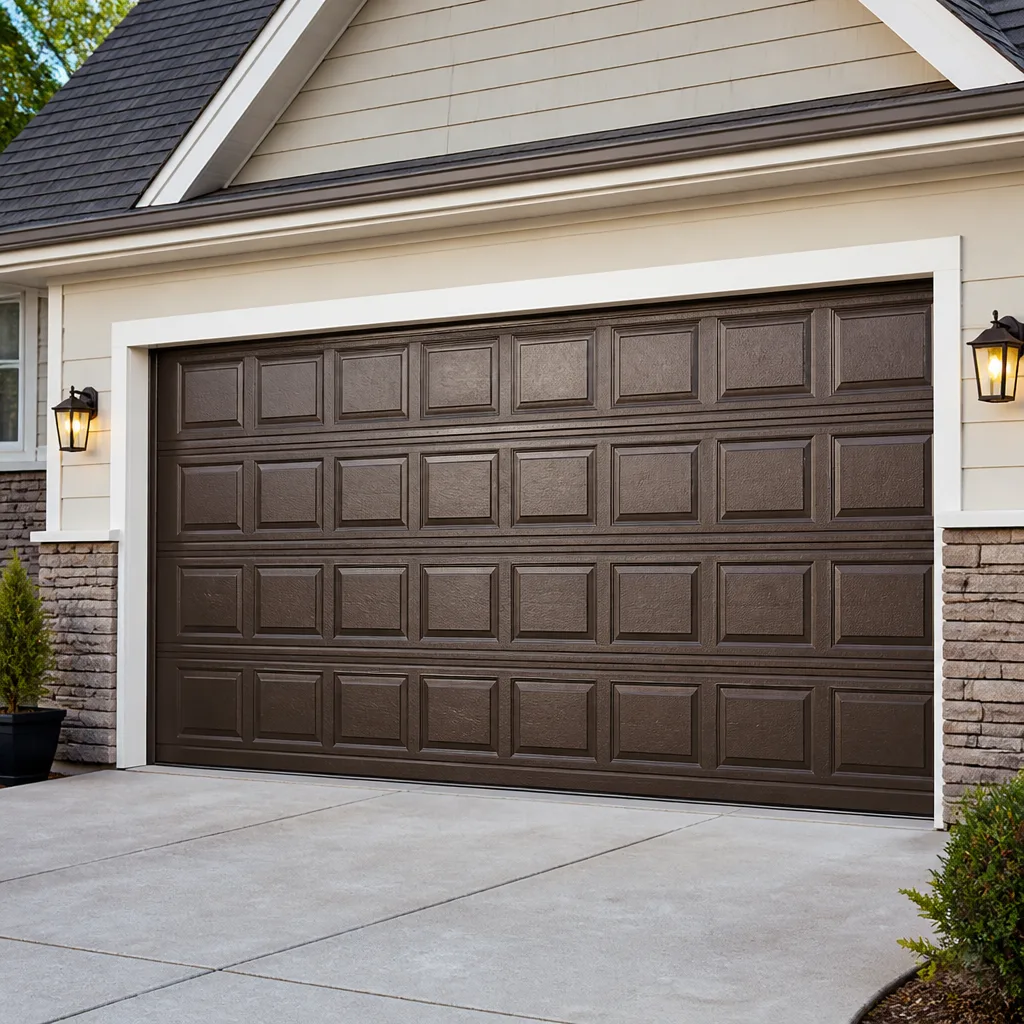 Raised-panel steel
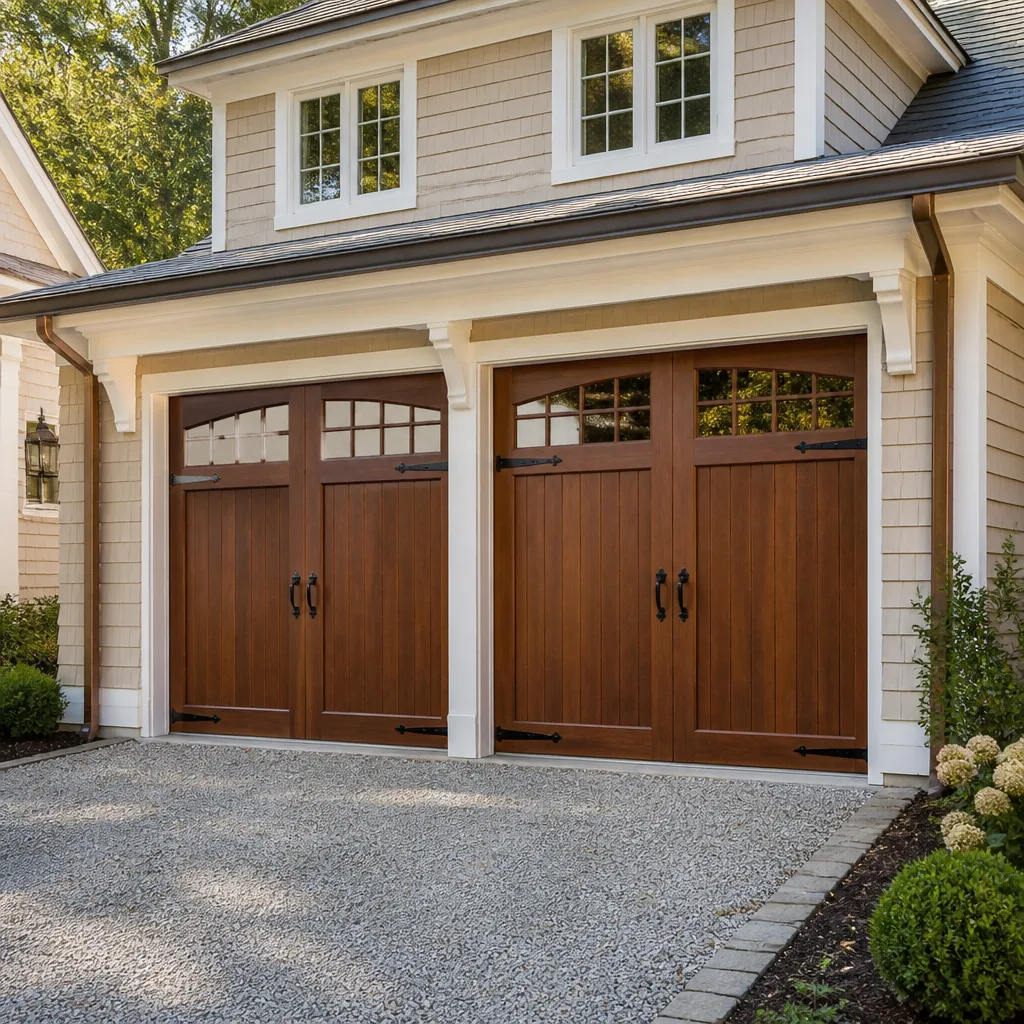 Carriage house
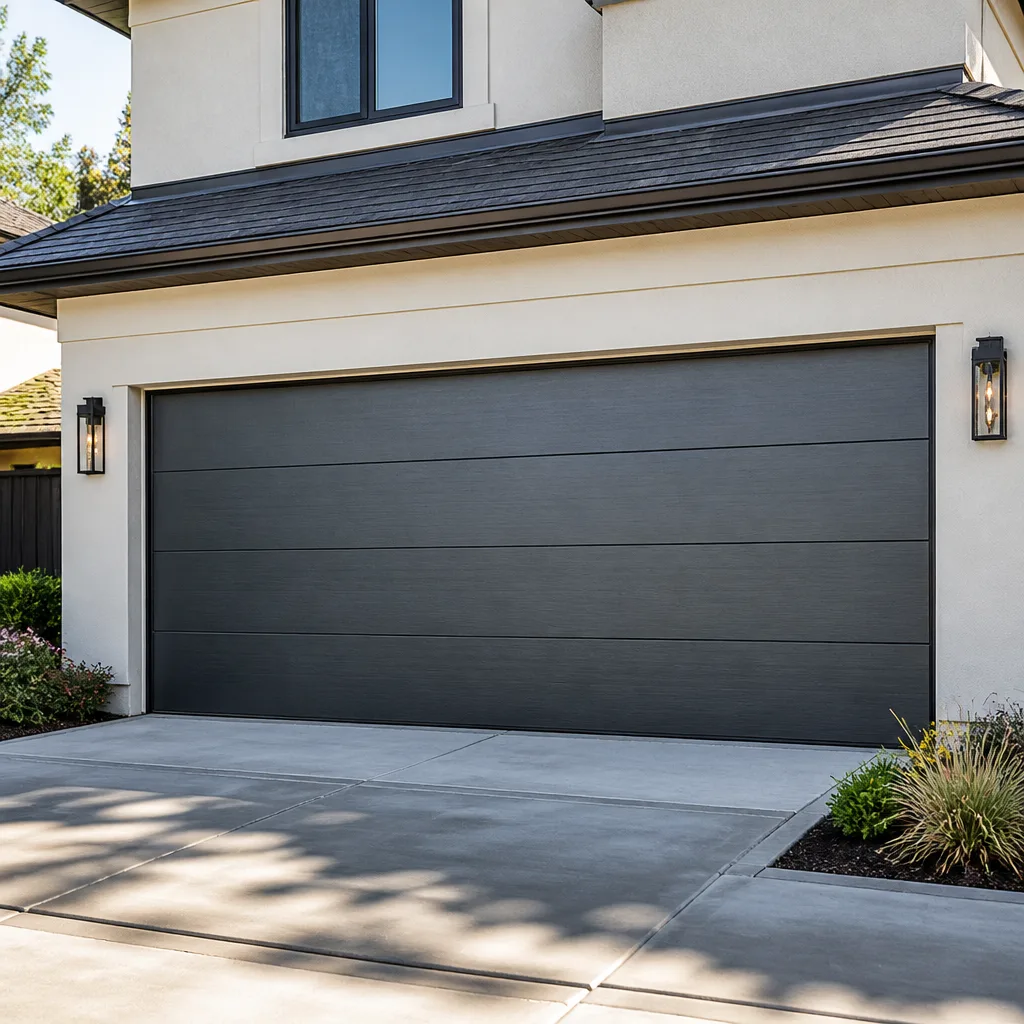 Modern flush
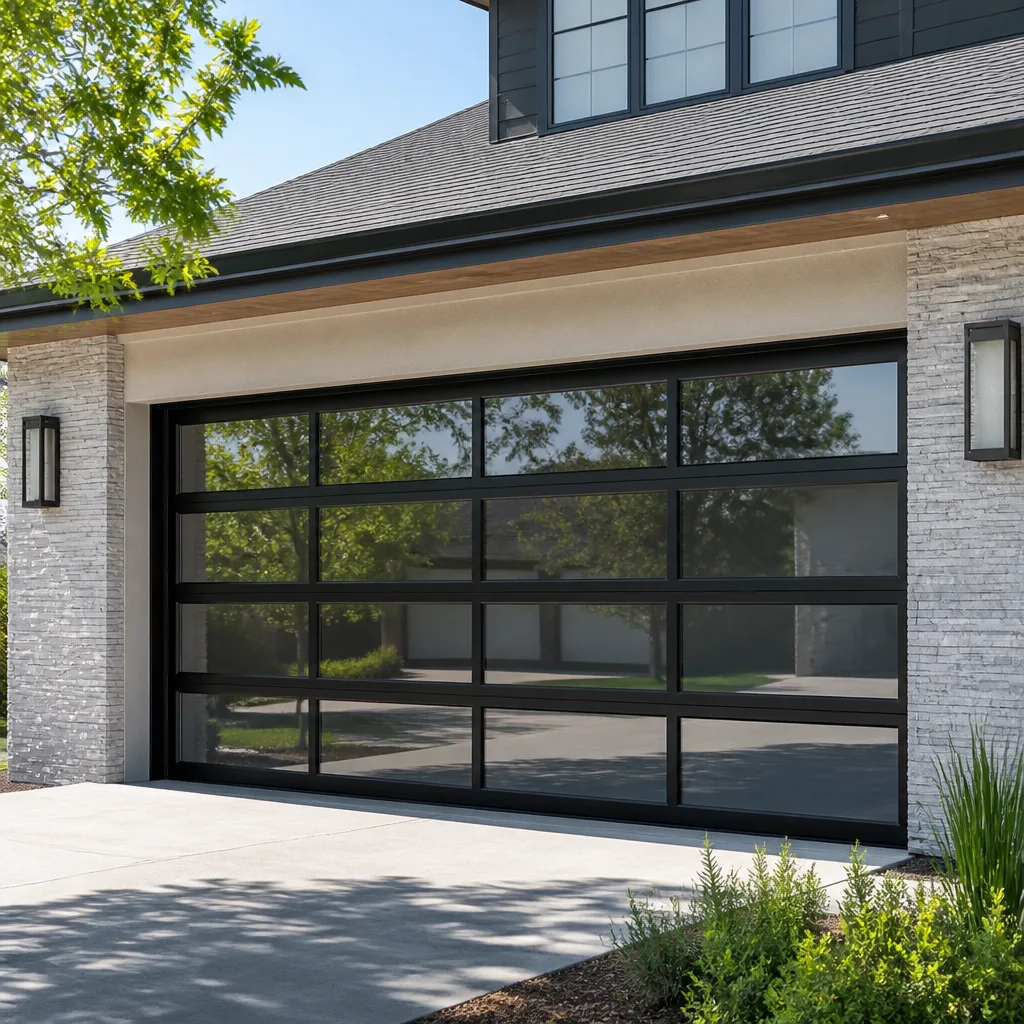 Full-view glass
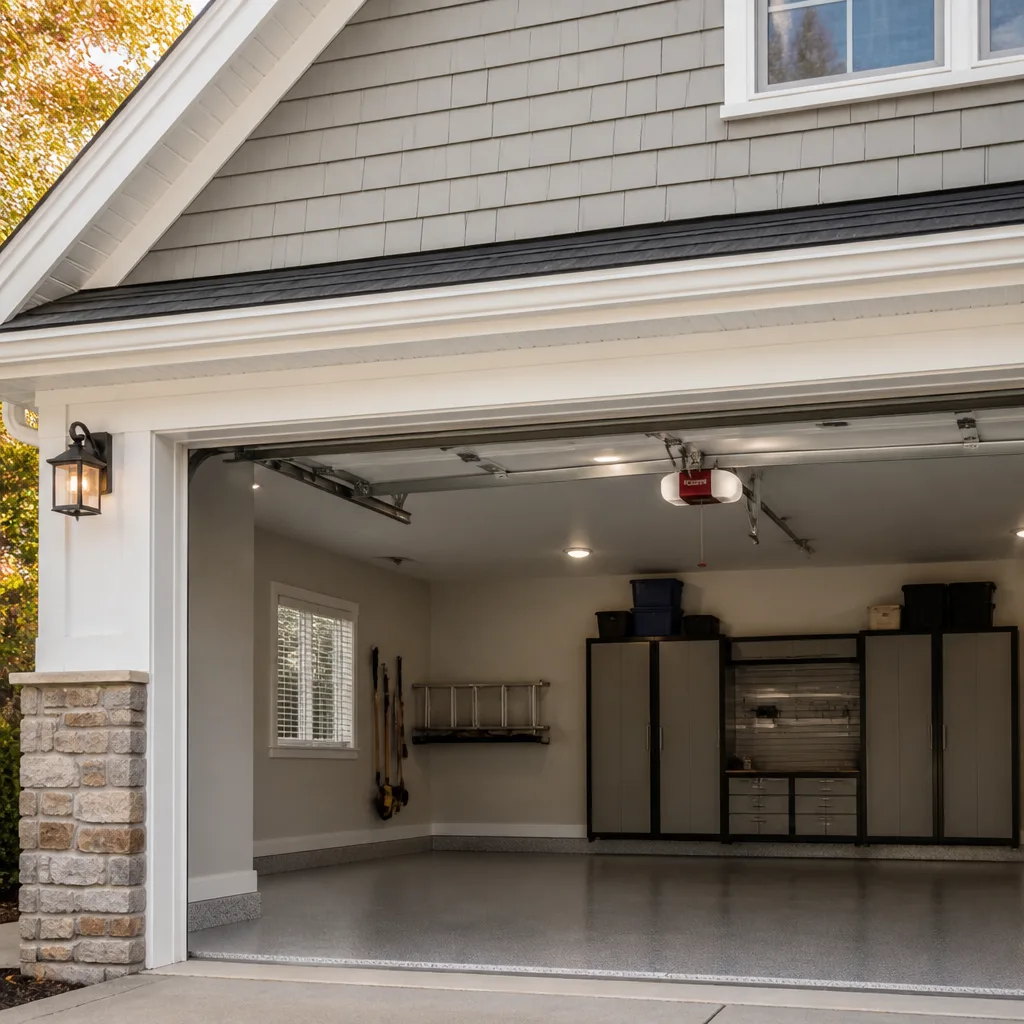 LiftMaster openers
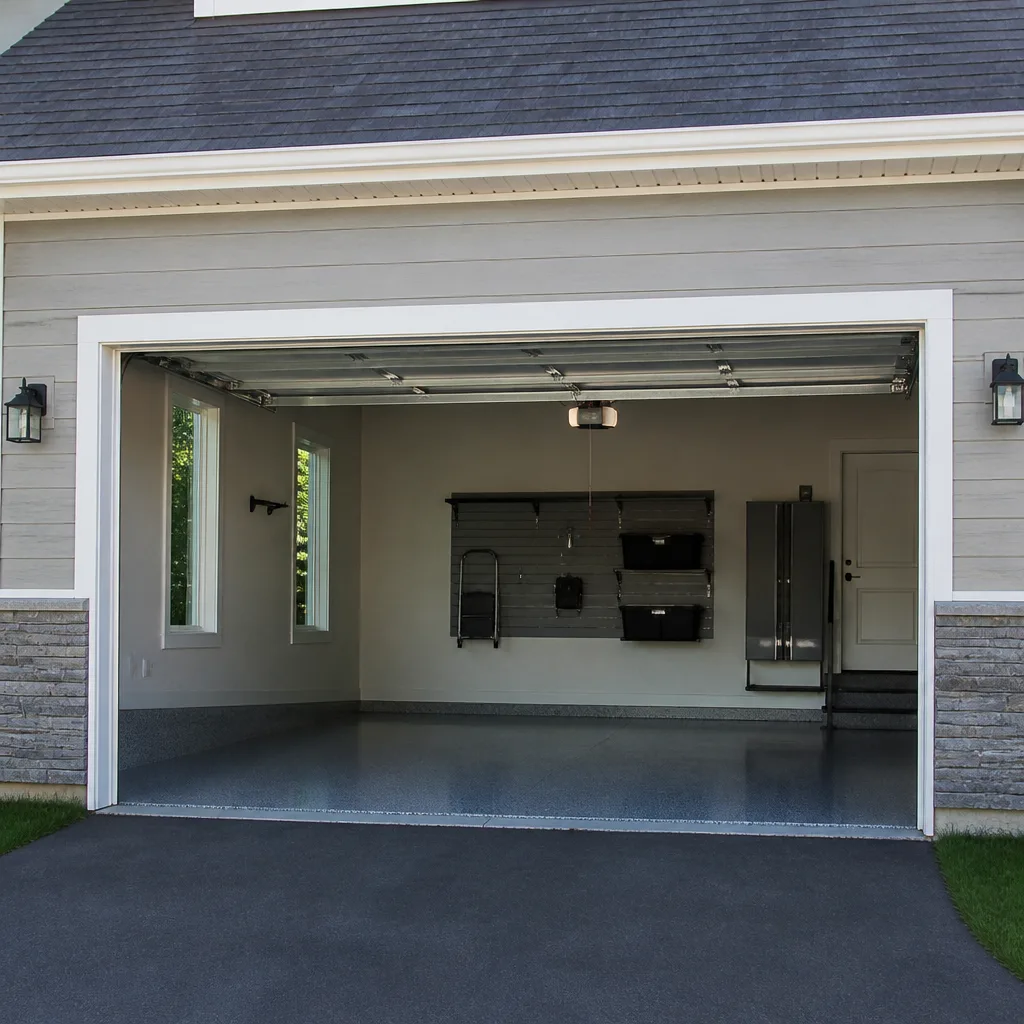 Chamberlain openers
Full 25-point door and opener safety check with every visit - springs, cables, rollers, tracks, and your LiftMaster or Chamberlain opener included
You get a price before we start. It does not change when the pro arrives.
Get your free estimateThe Complete Guide to Garage Doors in Lower East Side
Most Lower East Side garages were retrofitted into buildings that were designed before cars existed. That single fact explains almost every surprise a garage door contractor runs into here. The standard 7-foot door height, the typical torsion spring setup, and the usual opener placement all assume a suburban garage built around a car. In a Lower East Side building, they may all need adjustment before the first bolt is tightened. This guide covers how we approach doors in this neighborhood specifically: the pre-war structures, the alley clearances, the humidity, and the decisions that actually matter when you’re repairing or replacing a door here.
Quick Answer
Garage door repair in Lower East Side usually comes down to one of three things: a broken torsion spring, a cable that’s stretched or snapped, or an opener that’s lost its programming or failed mechanically. Most repairs can be done in one visit once the technician confirms the door type, measures the clearances, and checks whether the opening was retrofitted into a pre-war structure. In our experience across Lower East Side, the biggest hidden variable is the building itself: non-standard openings, tight track clearance, and older framing frequently change what parts you need before the job even starts.
Styles & brands we work with
- Raised-panel steel
- Carriage house
- Modern flush
- Full-view glass
- LiftMaster openers
- Chamberlain openers
Table of Contents
- How Pre-War Building Stock Affects Door Sizing, Tracks, and Opener Mounting
- Track Clearance and Alley Access: What Nobody Tells You About Lower East Side
- Why Urban Humidity and Salt Exposure Speed Up Spring and Cable Corrosion
- Full Replacement vs. Refurbishment: How to Decide With a Non-Standard Opening
- Door Styles That Actually Work in Lower East Side Buildings
- What Emergency Service Really Means in a Dense Urban Neighborhood
- When to Call a Professional
How Pre-War Building Stock Affects Door Sizing, Tracks, and Opener Mounting
Lower East Side is dominated by structures that predate the automobile. Tenement buildings, mixed-use walk-ups, and converted commercial spaces make up the bulk of the housing stock, and nearly every garage in the neighborhood was a retrofit rather than purpose-built. That changes the job at the most basic level: the door opening may not match standard dimensions, and the headroom above the door may be limited by a floor joist or a structural beam that wasn’t intended to accommodate a torsion shaft.
There are three measurements we take before quoting any job in Lower East Side: the width of the opening, the headroom from the top of the door to the ceiling or the underside of the first structural element, and the side clearance from the edge of the door to the nearest wall or jamb. Each one determines what door and spring configuration is physically possible.
- Headroom: Standard torsion springs need 12 inches above the door. Low-clearance setups exist but require a different spring placement and hardware. Some Lower East Side buildings give you 8 or 9 inches.
- Side clearance: Standard tracks need 3-4 inches on each side. A door tucked into a narrow alley or between masonry walls may barely clear.
- Opening width: If the opening was carved into an existing wall, it may be a few inches off standard. A custom-width door costs more and takes longer to order.
If your building has any of these conditions, measure before you assume a standard door or spring will fit. A wrong-fit spring is not just an inconvenience; torsion springs are the most dangerous component in the entire system and need to be matched to the door’s exact weight and dimensions. Our technicians have up to 13 years of experience measuring and fitting in exactly this kind of environment.
Track Clearance and Alley Access: What Nobody Tells You About Lower East Side
A Lower East Side garage is often reached through an alley, a courtyard, or a curb cut with cars parked close on both sides. That access pattern shapes the repair, not just the install. It affects where a technician can stage equipment, how much room there is to maneuver a door panel, and whether a full-size service vehicle can get within any reasonable distance of the opening.
The inside of the garage poses its own constraints. Vertical tracks need to be plumb; horizontal tracks need to be level unless the door is designed with a high-lift or low-headroom geometry. In a building where the garage was cut into the footprint of an older structure, the ceiling may slope, the side walls may not be parallel, and the floor may sit several inches below the alley grade. All of that has to be accounted for before a new door or opener goes in.
We handle this the same way on every job: measure, photograph, and note the constraints before quoting. When a door is jammed and a technician can’t reach it on the first trip because of a blocked alley or failed access, that’s a conversation we’d rather have before dispatching than after. For urgent calls in Lower East Side, the more detail you can give about how to reach the door, the better the first visit goes.
Why Urban Humidity and Salt Exposure Speed Up Spring and Cable Corrosion
Lower East Side sits close to the water, and the moisture in the air does more damage to garage door components than the temperature does. Spring wire and cables are steel, and steel in a humid urban environment corrodes faster than it would in a drier climate. The rust starts at the point where the cable runs over a pulley or wraps around a drum; that’s where moisture collects and where friction breaks down the coating first. Once rust sets in, the cable loses strength gradually, and the failure usually happens under load, often without much warning.
Torsion springs go through the same cycle. A spring that would last years in a dry garage can show serious rust pitting much sooner in a damp ground-level garage. Lower East Side buildings with garages at street level or below grade see this more than buildings with elevated or well-ventilated garages.
What we recommend for urban garages:
- Inspect cables and springs at least once a year for rust, fraying, or uneven wear at pulleys and drums.
- Keep the garage ventilated when possible. Humidity trapped inside is the main driver of corrosion.
- Address cable fraying early before a cable snaps and drops the door. A frayed cable is a safety issue, not a wait-and-see one.
- Consider galvanized or coated cables where the door sees regular moisture exposure.
Springs and cables under tension can cause serious injury if handled improperly. If you see rust or fraying, don’t try to adjust or replace anything yourself. Call a trained technician. You can reach us at (866) 937-7379. We answer 24/7.
Full Replacement vs. Refurbishment: How to Decide With a Non-Standard Opening
A non-standard opening changes the replacement math. In a standard suburban garage, replacing a door is straightforward: order the size, install it. In Lower East Side, the opening may have been built out of an older frame with irregular dimensions, which means a replacement door has to be custom-ordered. That takes longer and costs more per door, so the question becomes whether the existing door is worth repairing instead.
Here’s the decision framework we use:
- Assess the door panels. Dents, rot, and broken hinges can often be replaced individually. If the panels are structurally sound and the damage is isolated to hardware, repair is usually the better path.
- Check the spring and track system. If the springs have failed, replacing them is routine. If the tracks are bent or the brackets are rusted through, you’re looking at a bigger job that may tip toward replacement.
- Evaluate the opener. A failed opener on a door that’s otherwise in good shape is a repair, not a trigger for replacement. Opener replacement is common and far cheaper than a new door.
- Consider the age and life of the door. A door that’s nearing the point where springs, cables, rollers, and hinges all need attention at once may cost more to refurbish than to replace, especially if the opening requires a custom order either way.
For customers facing a full replacement, we can walk through the options. A new door from Clopay, Amarr, or Raynor can be ordered to fit a non-standard opening, and we measure carefully so the fit is right the first time. For a full replacement in Lower East Side, a free measure and a written price is the right starting point.
Door Styles That Actually Work in Lower East Side Buildings
The door styles that make sense in Lower East Side are the ones that respect how these buildings look and how much space they give you. Three styles come up most:
Flush steel
Clean-lined, low-profile, and available in custom widths. Flush steel panels sit close to the frame and don’t add depth on the outside, which matters when a door faces a narrow alley or a tight courtyard. They suit converted commercial spaces and more modern residential buildings. If your Lower East Side garage was built into a newer mixed-use structure, this is usually the most practical choice.
Carriage house
Appropriate for buildings with older architectural character. Carriage house doors add visual interest and suit the proportions of pre-war facades, but they’re heavier and need a properly sized torsion spring. In a building with limited headroom, the added weight can make a low-clearance spring setup harder to achieve. Worth it if the aesthetics matter and the building can accommodate the door.
Roll-up
Space-efficient and practical where the ceiling clearance is tight. Roll-up doors coil above the opening rather than swinging out and back, so they take less interior depth and give you more room for parked cars. Common in commercial and mixed-use Lower East Side garages, and increasingly chosen for residential retrofit projects where interior clearance is a hard limit.
On any new install in Lower East Side, we recommend the opener is matched to the door weight and the available mounting points. A Raynor door with a LiftMaster opener is a common and reliable combination for a residential retrofit.
What Emergency Service Really Means in a Dense Urban Neighborhood
In a dense neighborhood, “emergency service” can’t just mean a phone number that’s answered. It means a technician who can physically reach your door. Lower East Side has narrow one-way streets, limited parking, and building access that doesn’t always line up with what a standard dispatch assumes. A door that won’t close isn’t just inconvenient when you need to get out before work; it’s a genuine security concern when the building sits at street level.
Here’s how the process works:
- You call (866) 937-7379. We answer 24/7.
- We collect the building address, the door type if you know it, and any access details (alley, courtyard, building code).
- If the call comes outside dispatch hours, we book it into the next opening, Sunday through Friday, 7am to 7pm.
- A technician is dispatched to assess the failure and quote the repair before any work starts.
If the door is stuck open and it’s a security issue, we understand the urgency. If it’s stuck closed and doesn’t need to be used right now, a scheduled appointment usually gets the same repair done at the same price without the pressure. Either way, the price is quoted and agreed before work begins.
See the difference
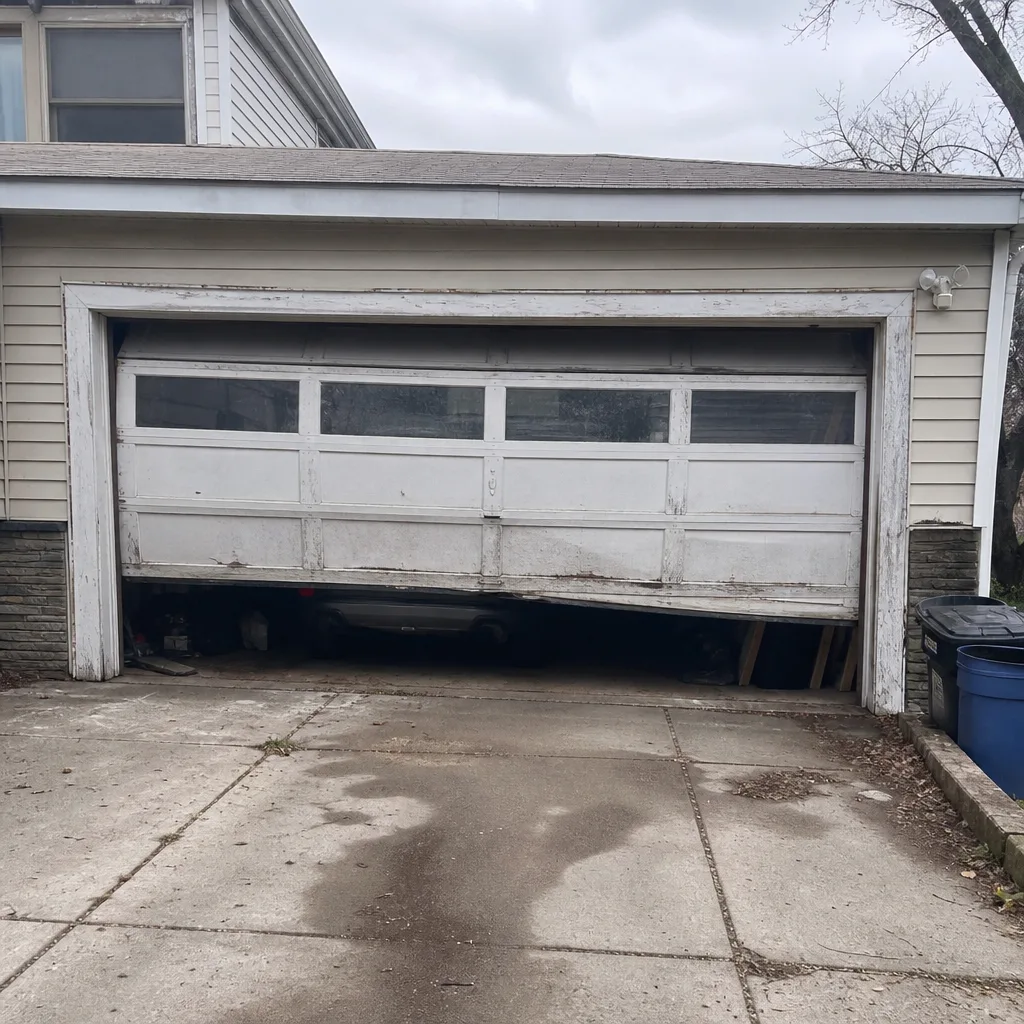 Before
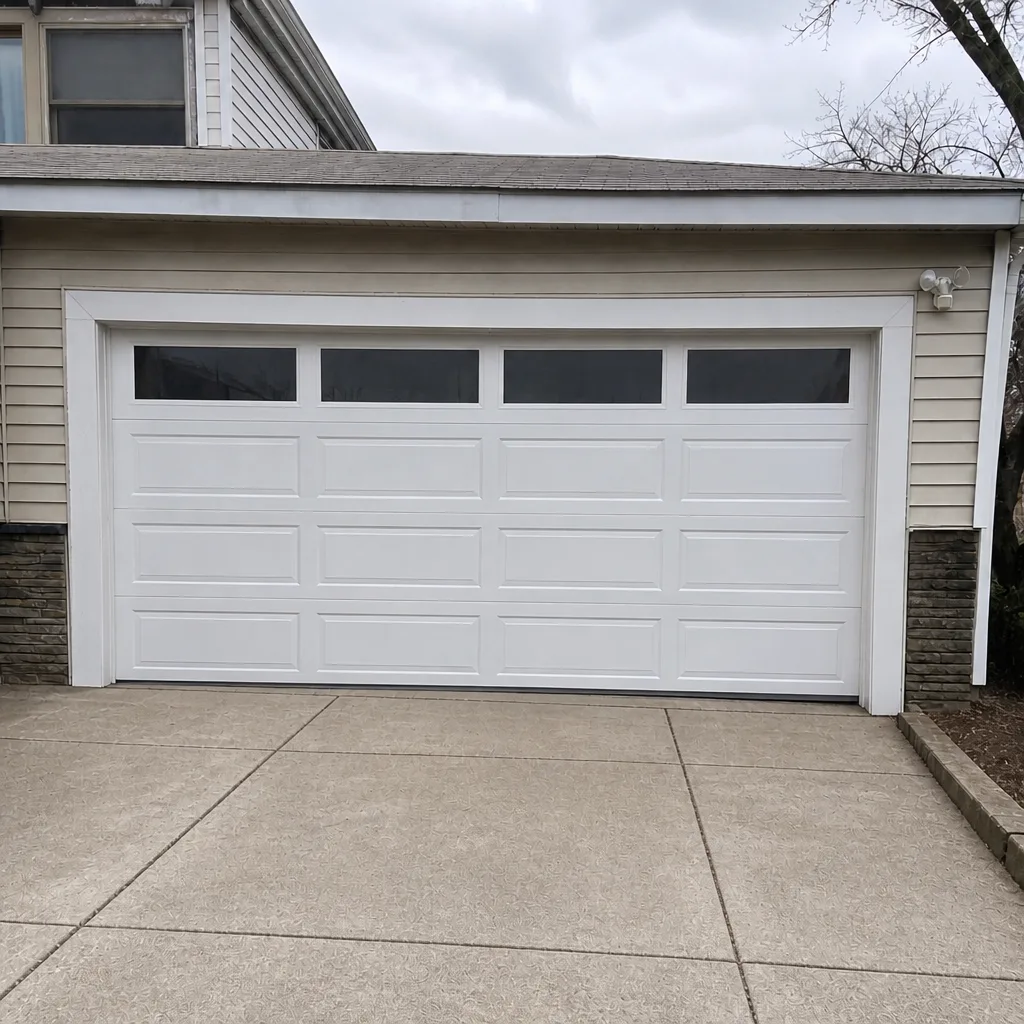 After
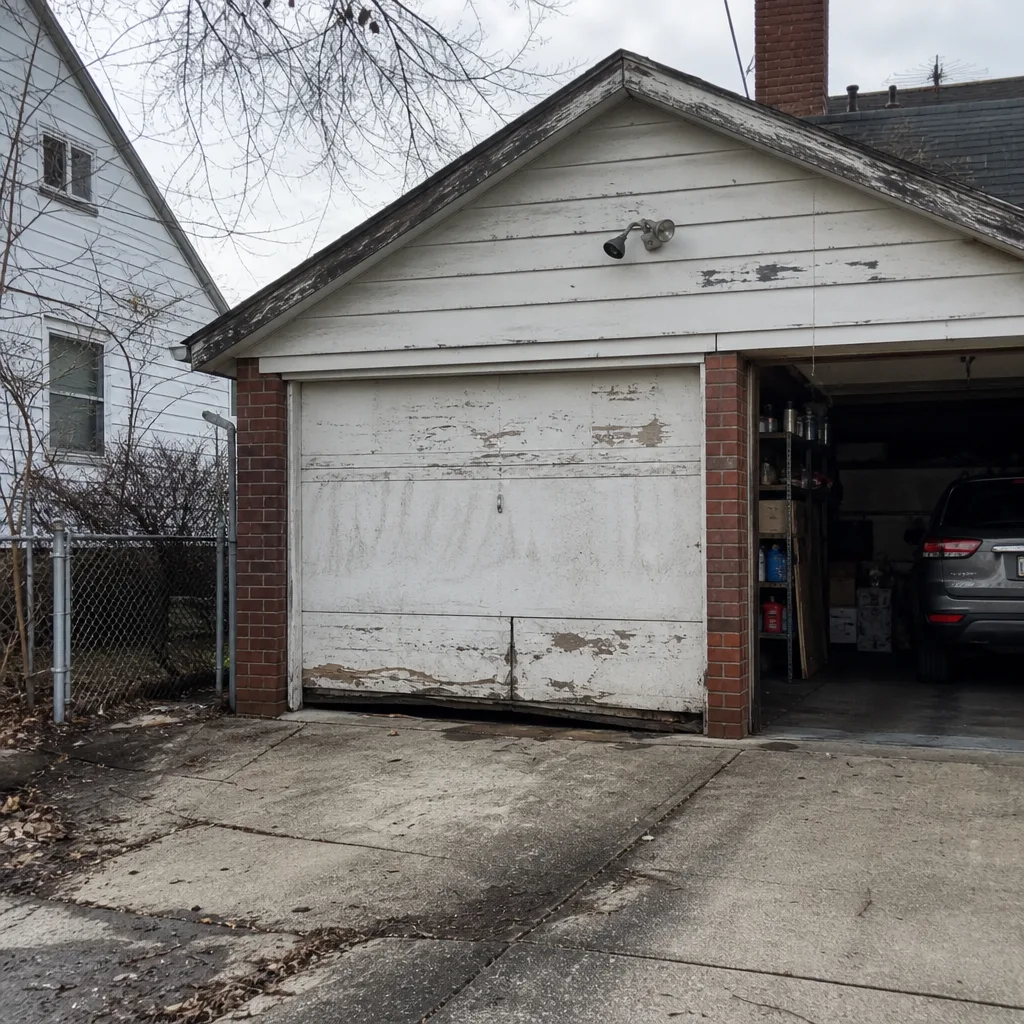 Before
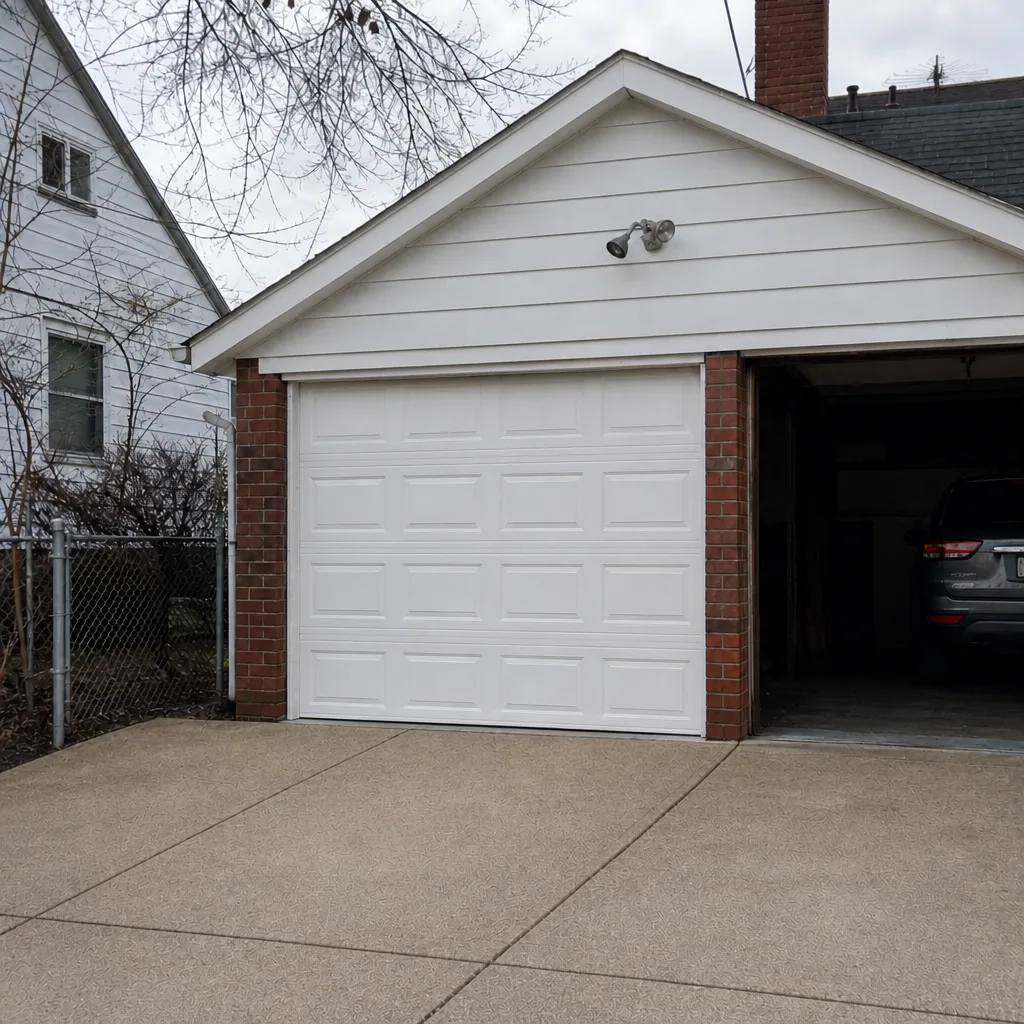 After
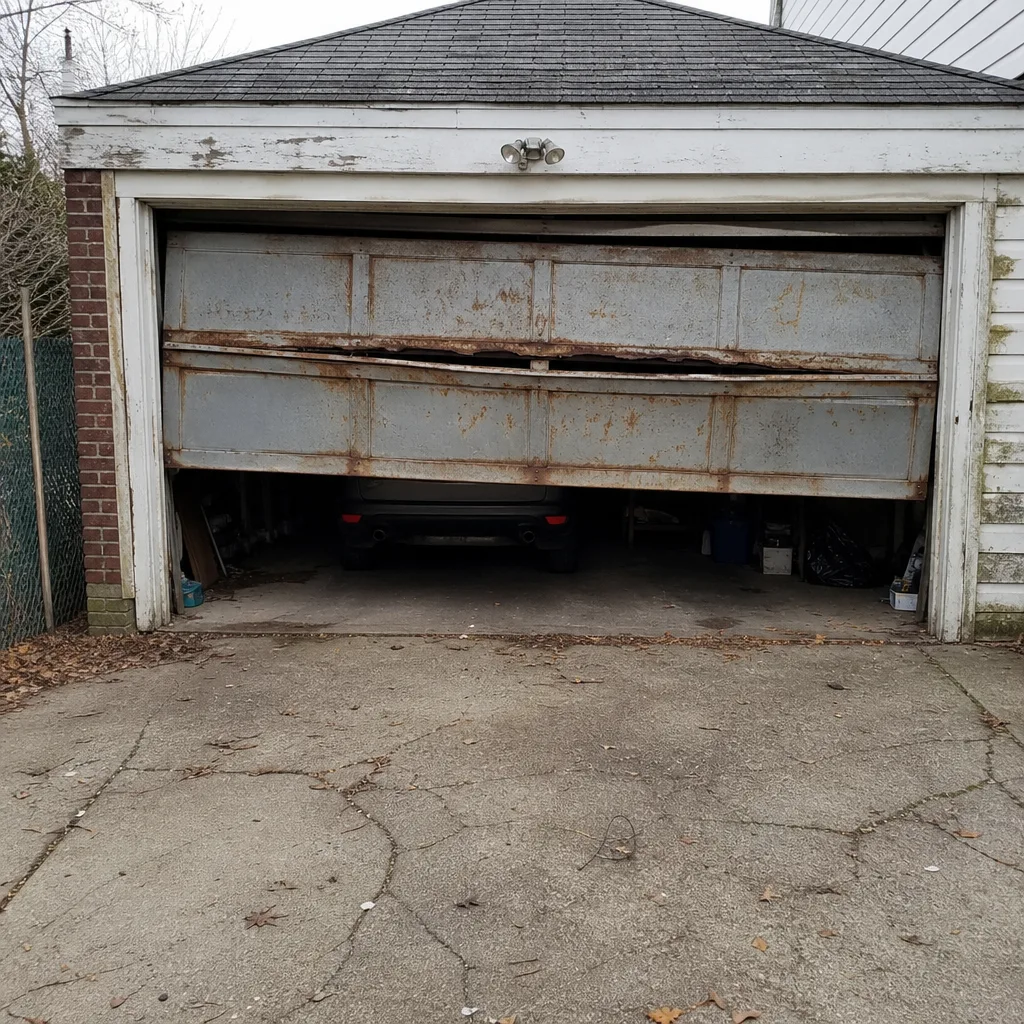 Before
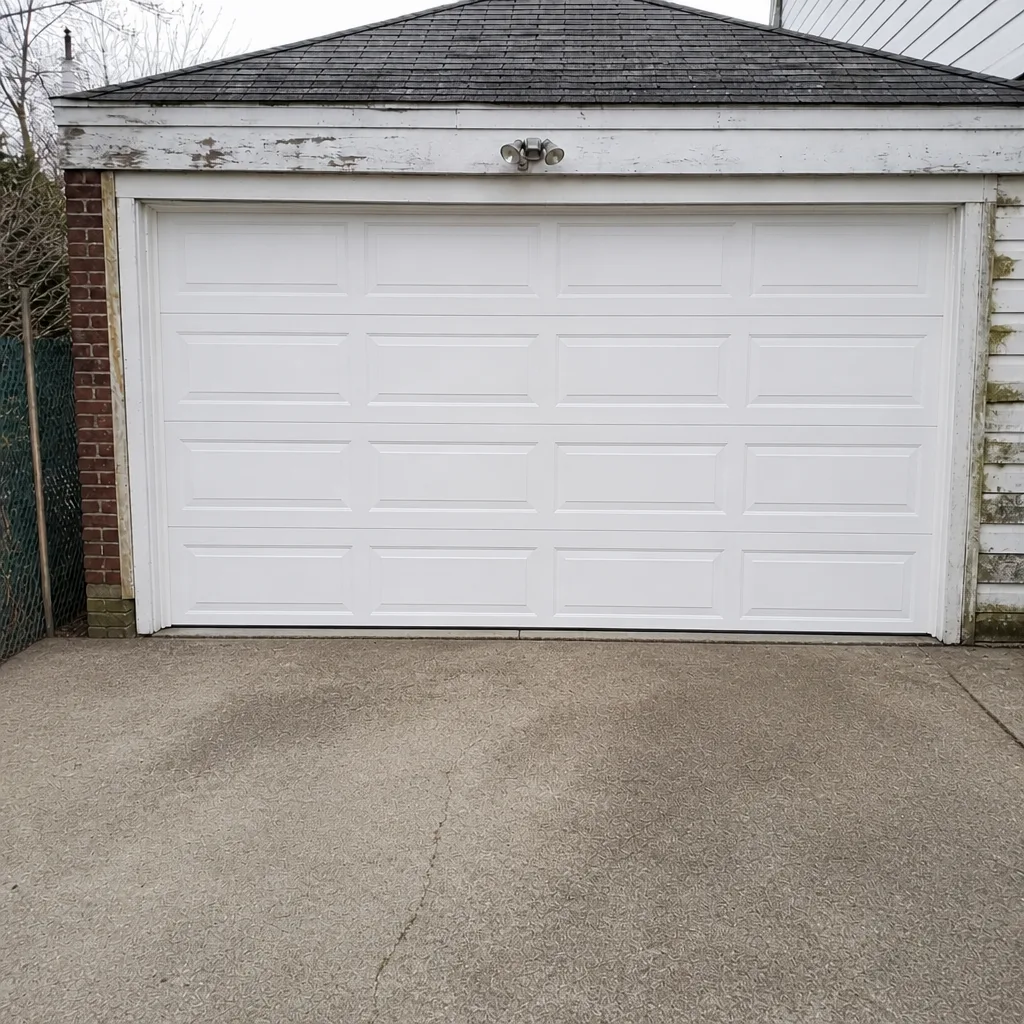 After
The Spring Repair Question: The Most Misunderstood Part of the Job
Torsion springs are the component most people underestimate. They’re under extreme tension, and when they fail, the door becomes dangerously heavy to lift by hand. In our experience in Lower East Side, spring failures are the most common reason a door suddenly won’t open. The spring isn’t visible until you look directly above the door, and the failure often gives no warning beyond a loud clang when it goes.
If one spring has broken on a two-spring door, the other spring is usually under added stress and often fails soon after. Replacing a matched pair at the same time is the practice that avoids a second breakdown within weeks. A single spring replacement is the minimum; a pair is what we recommend when both are original and the first has already failed.
Springs and cables should only be handled by a trained technician. The hardware can cause serious injury if it releases unexpectedly. If you hear a loud bang from the garage and the door won’t lift, don’t try to open it manually. Call a technician to assess it. If you need local garage door service for an urgent spring failure, we can get a technician moving quickly.
When to Call a Professional
Some repairs are straightforward for a homeowner with the right tools: re-engaging a door that’s come off the opener carriage, replacing a wall-mounted remote, or lubricating rollers and hinges. But some situations call for a trained technician without question:
- A door that won’t open or close at all, especially if there’s a snapping or banging sound
- Visible rust or fraying on cables
- A garage that smells of overheating motors or where the opener hums but doesn’t move the door
- A door that reverses or stops partway down
- Track damage or a door that’s visibly uneven when it closes
- Any spring failure on a door over the standard height
At Garage Door Repair Lower East Side, we offer free estimates in Lower East Side. Call (866) 937-7379 to schedule.
Frequently Asked Questions
A typical spring repair in Lower East Side runs about $180-$340 for a single spring, though a matched pair costs roughly twice that. The written estimate sets the final price. Call (866) 937-7379 for an exact quote – estimates are free.
No, torsion spring replacement should always be done by a trained technician. The springs are under extreme tension and can cause serious injury if they release unexpectedly. Our technicians have up to 13 years of experience handling spring replacement safely.
Not always. Many non-standard openings can be fitted with a standard door using low-clearance hardware or adjusting the track setup. A technician measures the opening first to determine whether a custom order is needed and the building can accommodate a different configuration.
Look for rust on the spring coils and cables. Rust pitting confirms moisture is a factor and the hardware should be inspected more often. Regular inspection catches early wear before it turns into a failure.
Flush steel or carriage house styles fit the proportions of pre-war facades best, but the right choice depends on available headroom and side clearance. A technician can advise on the best fit during a free measure.
Yes. We work with a range of styles from Clopay, Amarr, Wayne Dalton, and Raynor and can match existing aesthetics. A free measure and written price is the starting point. Call (866) 937-7379.
The Bottom Line
Garage doors in Lower East Side face conditions that most repair guides don’t account for. Pre-war buildings require non-standard measurements. Alley access complicates every service call. Humidity accelerates spring and cable corrosion. And the question of repair versus replacement is rarely simple with a non-standard opening. The right approach is to measure carefully, choose a door style that fits the building, inspect the springs and cables before they fail, and work with a technician who knows the neighborhood. For more guidance on specific services in Lower East Side, explore our garage door repair Lower East Side hub, or jump straight to the service that fits your situation.
If you’re facing an urgent repair, need a new door, or just want a straight answer about what’s possible for your building, we’re ready to help. We work on all major brands, including LiftMaster, Chamberlain, Genie, and Raynor, and we handle everything from spring replacement to full installs. Call (866) 937-7379 for a free estimate. We answer 24/7, with fast dispatch from 7am to 7pm, Sunday through Friday.
Written by the team at Garage Door Repair Lower East Side.