
Last updated November 21, 2026
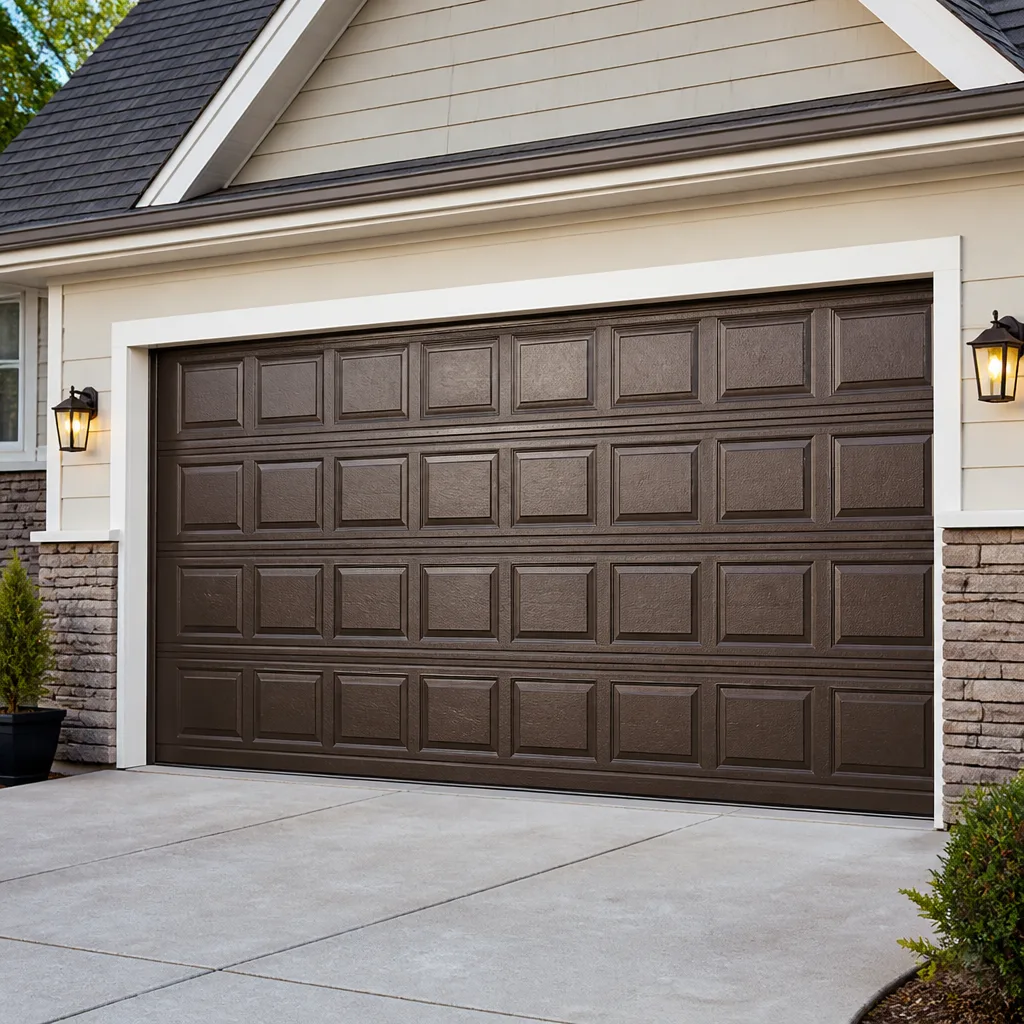 Raised-panel steel
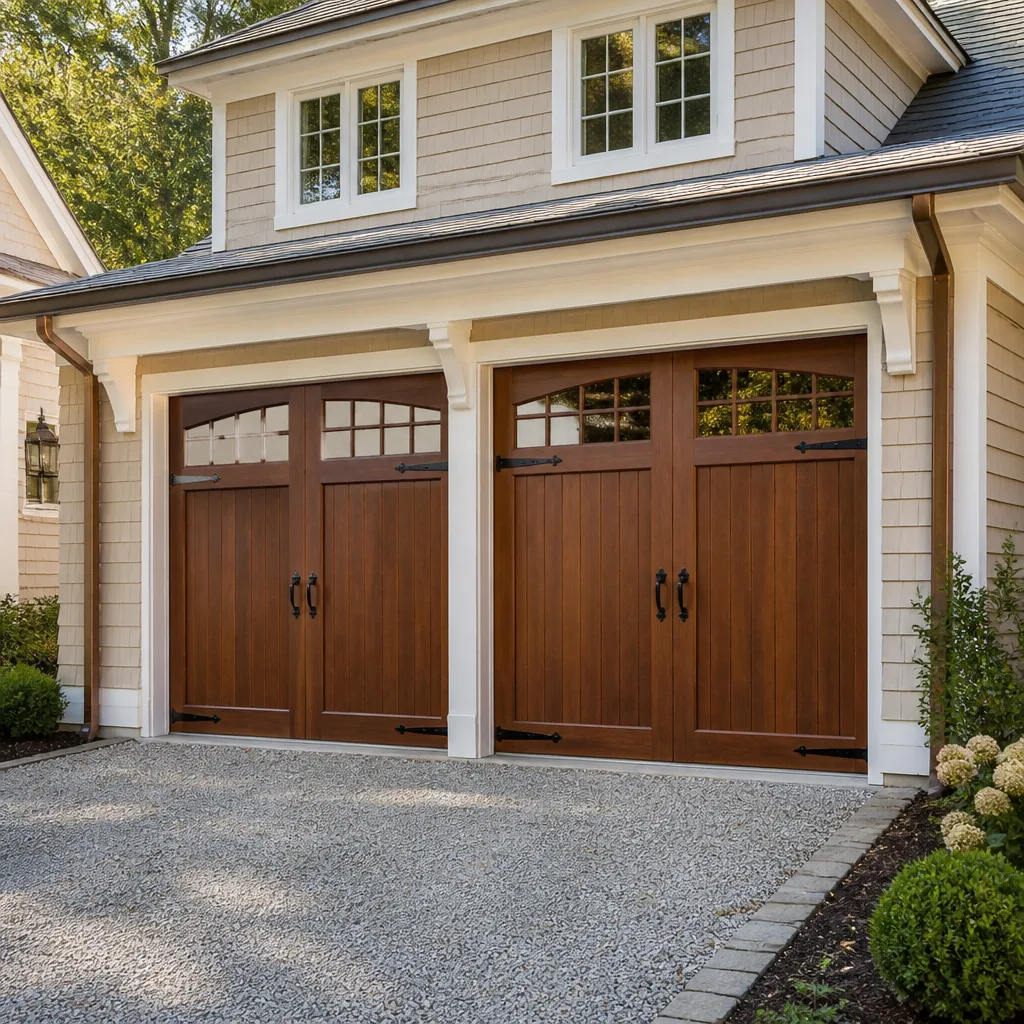 Carriage house
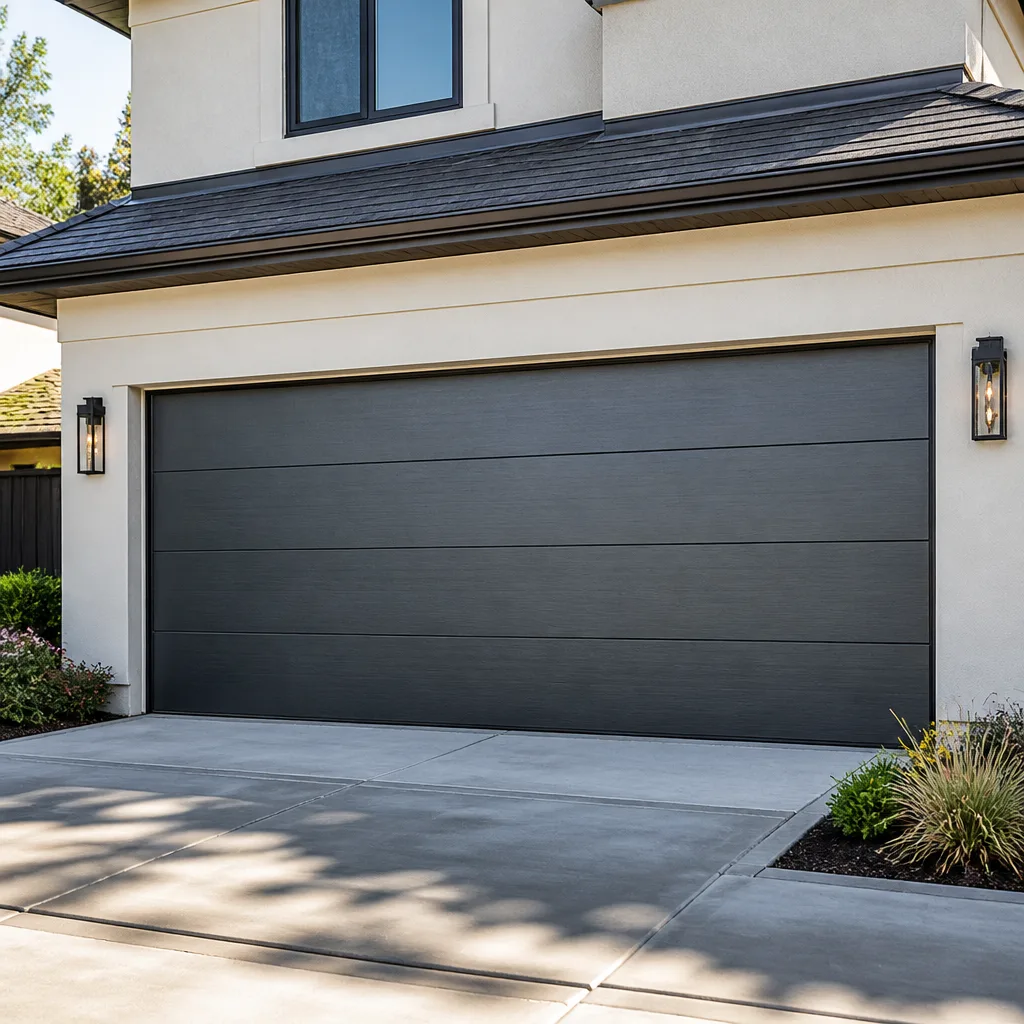 Modern flush
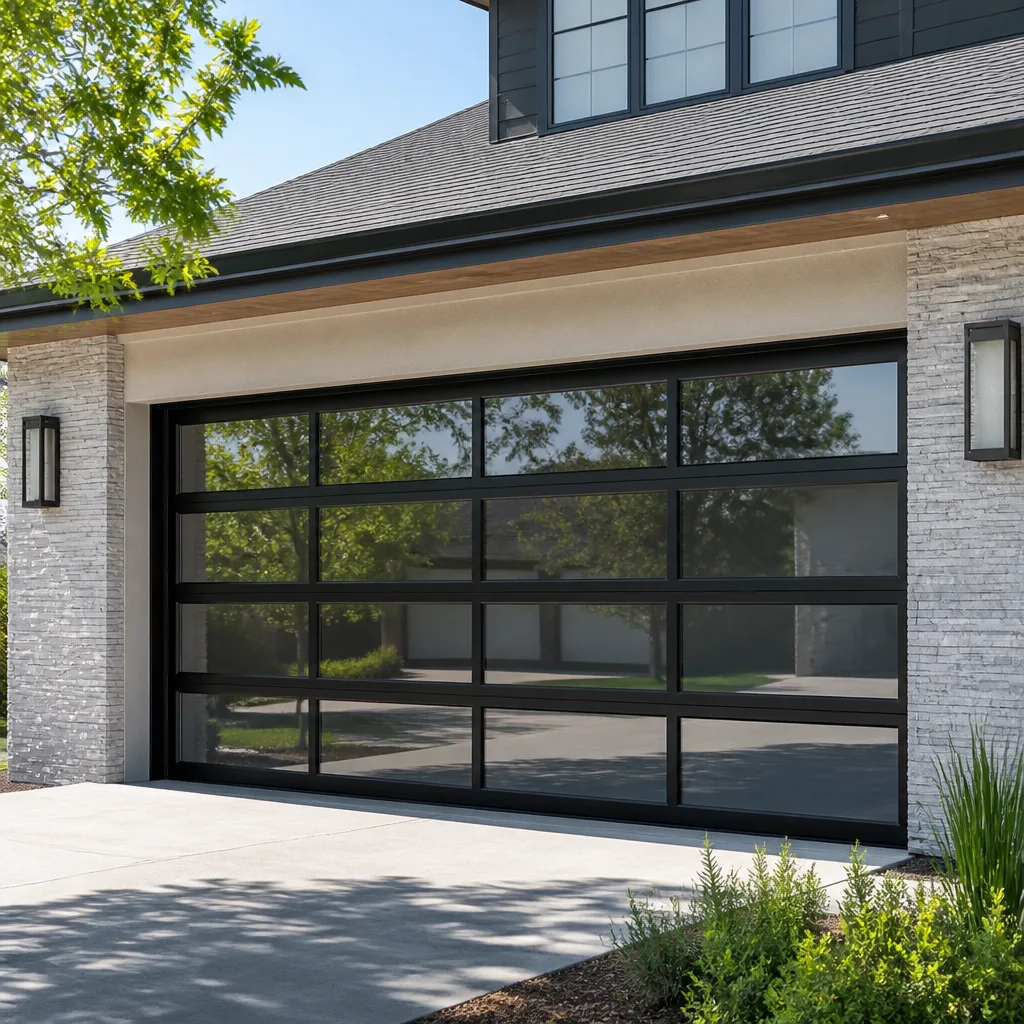 Full-view glass
 LiftMaster openers
 Chamberlain openers
Full 25-point door and opener safety check with every visit - springs, cables, rollers, tracks, and your LiftMaster or Chamberlain opener included
You get a price before we start. It does not change when the pro arrives.
Get your free estimateDIY vs Professional Garage Door: The Lower East Side Homeowner’s Decision Guide
Most homeowners frame this as a money question. It isn’t. In the Lower East Side, it’s a space, liability, and risk question. A torsion spring stores enough energy to move a car when it lets go, and in a narrow alley garage hemmed in by brick on both sides, an amateur mistake has nowhere to go but into you or your building. Here’s the honest version: a few jobs are genuinely owner-accessible, a few will injure you, and your building type decides the rest. We’ll walk through all three so you can sort your own situation before you pick up a wrench.
Quick Answer
The garage door jobs worth doing yourself are lubrication, weather seal replacement, remote reprogramming, and light track realignment. Everything touching torsion springs, cables, drums, or the header brackets is a professional job, not because it’s complicated but because it’s dangerous and, in a shared Lower East Side building, it shifts liability onto you. If your door has stopped opening, slammed shut, or come off its track, call a specialist.
Styles & brands we work with
- Raised-panel steel
- Carriage house
- Modern flush
- Full-view glass
- LiftMaster openers
- Chamberlain openers
Table of Contents
- The genuine DIY shortlist
- Hard stops: where DIY becomes a bad bet
- How your building type changes what you’re allowed to self-perform
- Tools that look adequate and aren’t
- The liability scenario most DIYers never think about
- What professional work actually costs in the Lower East Side
- Can a repair be done the same day?
- Common mistakes to avoid
The genuine DIY shortlist
Some maintenance belongs in your hands. We’d rather you know which tasks those are than guess and hurt yourself on the ones that don’t. Here’s our honest shortlist, with a difficulty rating for each.
- Lubrication (easy). A light spray on the hinges, rollers, and springs keeps the door quiet and reduces strain on the opener. Use a garage-door lubricant, not cooking oil or WD-40. Fifteen minutes, no danger.
- Weather seal replacement (easy to moderate). The rubber strip along the bottom of the door wears out and starts letting in drafts and street grit. New seals clip or slide in.
- Remote reprogramming (easy). If a remote stops working, a fresh battery and a re-pairing with the opener head usually solves it. LiftMaster, Chamberlain, Genie, and Craftsman units all pair slightly differently, and the manual walks you through it.
- Minor track realignment (moderate). If a track has a small bend and the door still runs, a careful tap with a rubber mallet can straighten it. Stop if you feel resistance.
That’s the list. If you’re handy and patient, you can do all four in a Lower East Side afternoon with a step stool, a socket set, and a spray can. Everything below is where the line is.
Hard stops: where DIY becomes a bad bet
These are the jobs we’d never encourage a homeowner to attempt:
- Torsion spring replacement. A wound spring holds enough stored energy to break bones. The equipment to wind it safely is the domain of trained technicians.
- Cable and drum work. Cables carry the load on both sides of the door. If one slips while you’re under tension, the door drops. The consequences are serious enough that we treat these as strictly professional.
- Header bracket and structural reinforcement. The bracket anchors the entire door mechanism to your building. In a Lower East Side brownstone or multi-unit building where the header is original, that’s a structural question as much as a mechanical one. If it needs to be re-anchored, an engineer or a very experienced technician needs to look at it.
- Opener replacement. Technically doable, but the modern smart systems (LiftMaster’s MyQ, Chamberlain’s belt drive, Genie’s screw drive) require precise alignment with the door and a secure mount on the ceiling. Get it wrong and the door can bind.
For a free assessment of whether your door needs a repair or a full replacement, Garage Door Repair Lower East Side can give you a straight answer.
How your building type changes what you’re allowed to self-perform
The legal and practical rules in the Lower East Side depend largely on what kind of building you live in. This matters more here than in a suburb, because most garages here aren’t standalone – they’re tucked behind buildings, attached to courtyards, or shared by dozens of tenants.
Attached brownstone
If the garage is attached to your building, you’re usually free to work on the interior door and opener. Anything affecting the opening itself, the lintel, or the header anchors likely touches building structure, and a co-op board or landlord will want to know before you start drilling.
Multi-family or co-op building
Garages serving more than one unit are almost always managed by the building’s managing agent. Even if your unit is technically private, work on the door mechanism may require notification. Ask the agent in writing; if the answer is vague, ask again.
Condo with an HOA or management association
Condo and HOA bylaws often restrict self-performed maintenance to the interior of the unit. A garage door is exterior-facing by definition. Before you buy a spring, find out whether management expects a licensed professional to do the work. Many associations do.
Commercial space
If the garage serves a storefront or loading area, the answer is nearly universal: professionals only. Commercial tenants rarely have the authority to modify doors themselves.
One extra wrinkle: the Lower East Side has a lot of older, narrow, non-standard garage openings from before standardized door sizing. If your door was custom-fit decades ago, the brands listed in most manuals may not be the ones you own. Amarr, Wayne Dalton, and Raynor all make configurations that could match, but the only way to know is to measure.
Tools that look adequate and aren’t
This is where a homeowner’s tool kit lets them down. It’s not that we use exotic equipment; it’s that the right tool for a torsion spring is different in kind, not degree.
- A winding bar is not a screwdriver. A standard screwdriver will spin in the set screw hole and round it out. A proper winding bar is hardened, sized to the torsion tube, and made for the load.
- A drill with a socket bit isn’t a torque wrench. Snugging down a bracket by feel is how bolts strip out. A torque spec exists for a reason.
- Ladders are a problem in tight garages. In a Lower East Side alley garage, you often can’t open a stepladder to a safe angle. The technician’s usual solution is a folding platform or a mounted bracket, not a borrowed ladder from upstairs.
- The safety cable is not optional. On many doors the safety cable is the thing that keeps a snapped spring from falling on a car or a person. If your door doesn’t have one, that’s a call-out.
- Tension gauges. Getting a door balanced after a repair means measuring spring tension. A technician’s gauge costs more than the repair itself; it’s not a tool you buy for one job.
When the work calls for a specialist visit, garage door repair from our team covers springs, cables, tracks, panels, and openers, all on the same visit.
The liability scenario most DIYers never think about
Imagine a self-repaired door in a shared building. The spring has been replaced by a homeowner without proper equipment. Weeks later, someone in the courtyard opens the door, and it drops. Who’s responsible?
The short answer is that responsibility tends to fall on the person who did the work, and, in a shared building, that can extend to the building’s insurer and management. Most co-op and HOA bylaws contain language that shifts the cost of damage caused by unapproved or self-performed maintenance back onto the resident. Even when the injury itself is minor, the correction cost, the building repair, and the liability all have a way of landing on the person who touched it first.
This isn’t a scare tactic. It’s the practical reason that insurance-driven management companies in the Lower East Side routinely require a licensed professional for any structural or mechanically loaded system, including garage doors. When a manager says “please use a licensed contractor,” that’s usually what’s behind it.
So if you’ve done a minor repair, keep a record. If you’re doing anything that touches spring, cable, or bracket, that’s a job for someone who’s insured for the work.
For a full mechanical checkup and garage door installation if the door turns out to need replacing, call us to book a free measure and written price. Installing a new door is a scheduled job, so expect the order to take a few weeks to arrive rather than the same day.
What professional work actually costs in the Lower East Side
Prices in a dense urban market run higher than the national average, and tight access on the Lower East Side adds time to the job. Here are typical ranges, which your written estimate will finalize.
| Job | Typical estimated range |
|---|---|
| One torsion spring replacement | $200 – $380 |
| Matched spring pair (usually replaced together) | $400 – $760 |
| Opener repair | $120 – $320 |
| Full opener replacement | $350 – $750 |
| Track realignment | $95 – $220 |
| Full door replacement (single, standard size) | $1,100 – $2,800 |
A pair of springs costs roughly twice one spring because they’re matched and replaced together. These are typical estimates only; the written price always wins. With up to 13 years of experience per technician, we know how to keep this tight. Call us for a free quote.
Can a repair be done the same day?
Yes, for most repair work. Spring, opener, and track repairs can usually be handled the same day in the Lower East Side, and we hold emergency slots for doors that won’t close at night or won’t open before work. We answer 24/7. Fast dispatch from 7am to 7pm, Sunday through Friday. We’re closed Saturday.
Installation is different. A new door is measured, ordered from the manufacturer, and scheduled. Expect days to weeks between the measure and the install, not hours. That timing applies to Amarr, Wayne Dalton, Raynor, and any other brand we fit, because they’re made to order. What you’ll get at the end is a written price before you commit.
When the opener is the problem, garage door opener repair covers the smart-host brands and keeps you connected without a full door replacement.
Common Mistakes to Avoid
- Winding a torsion spring with a screwdriver. It feels possible because the screwdriver fits the set screw. It isn’t. The failure mode is a fast, uncontrolled release, and in a narrow Lower East Side courtyard that means nowhere safe to be.
- Over-tightening bracket bolts “by feel”. In older buildings, the header wood is decades old, and over-torquing splits it. A torque spec and fresh hardware matter more than most DIYers realize.
- Ignoring a warp in the panel. A warped panel isn’t cosmetic; it pulls the door out of balance and wears the opener faster. In the Lower East Side’s wet winters, wood-frame panels swell unpredictably and the warp usually appears after the repair.
- Buying a remote from a big-box store without checking compatibility. Craftsman, LiftMaster, and Genie each have specific frequency families. A $25 remote that won’t pair is $25 wasted.
- Not notifying management. In a co-op or condo, unapproved garage work can trigger a violation under your bylaws. Always notify first.
- Doing a “small” repair and then ignoring the safety cable. Safety cables are the smallest component on the door and the one that most often saves a car. If yours has rust, replace it.
- Assuming a spring is fine because the door still works. Springs lose tension gradually; a door that shuts slowly is often telling you the spring is near failure, not fine.
See the difference
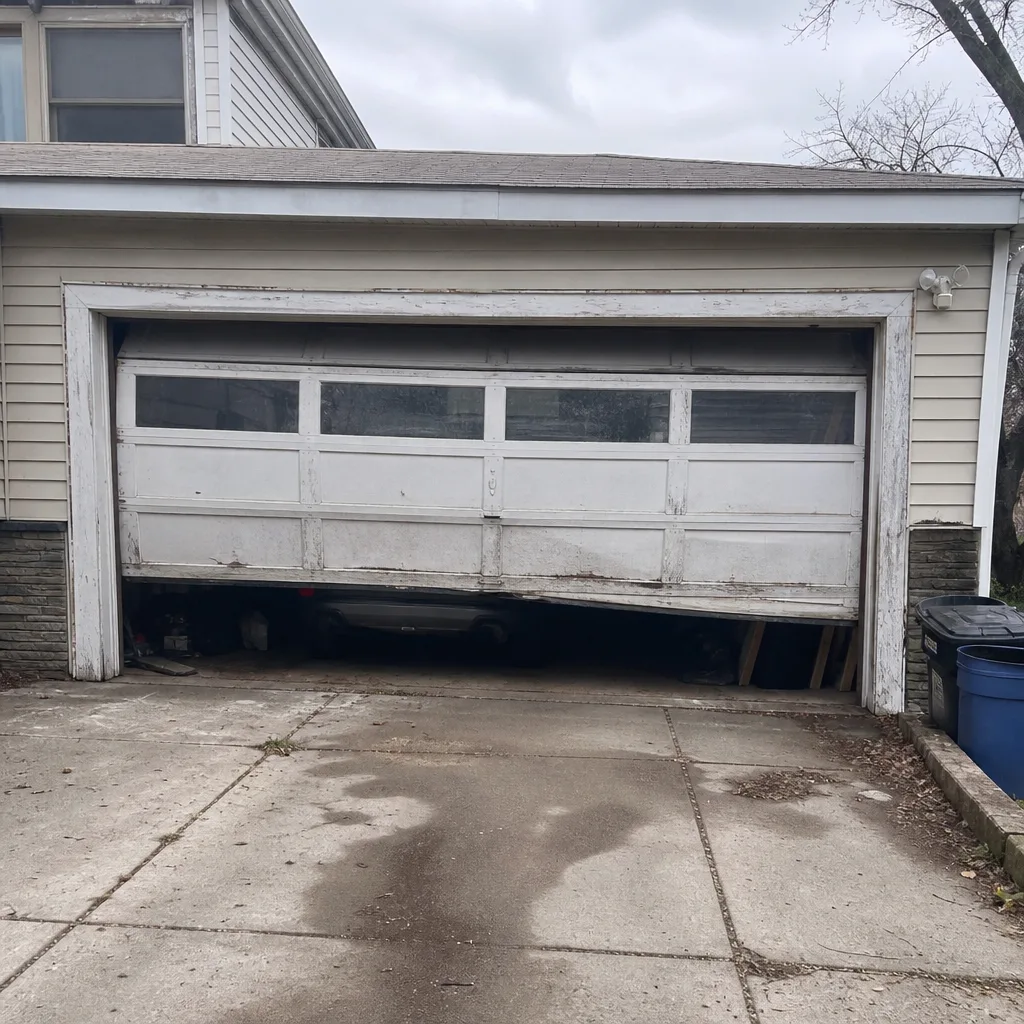 Before
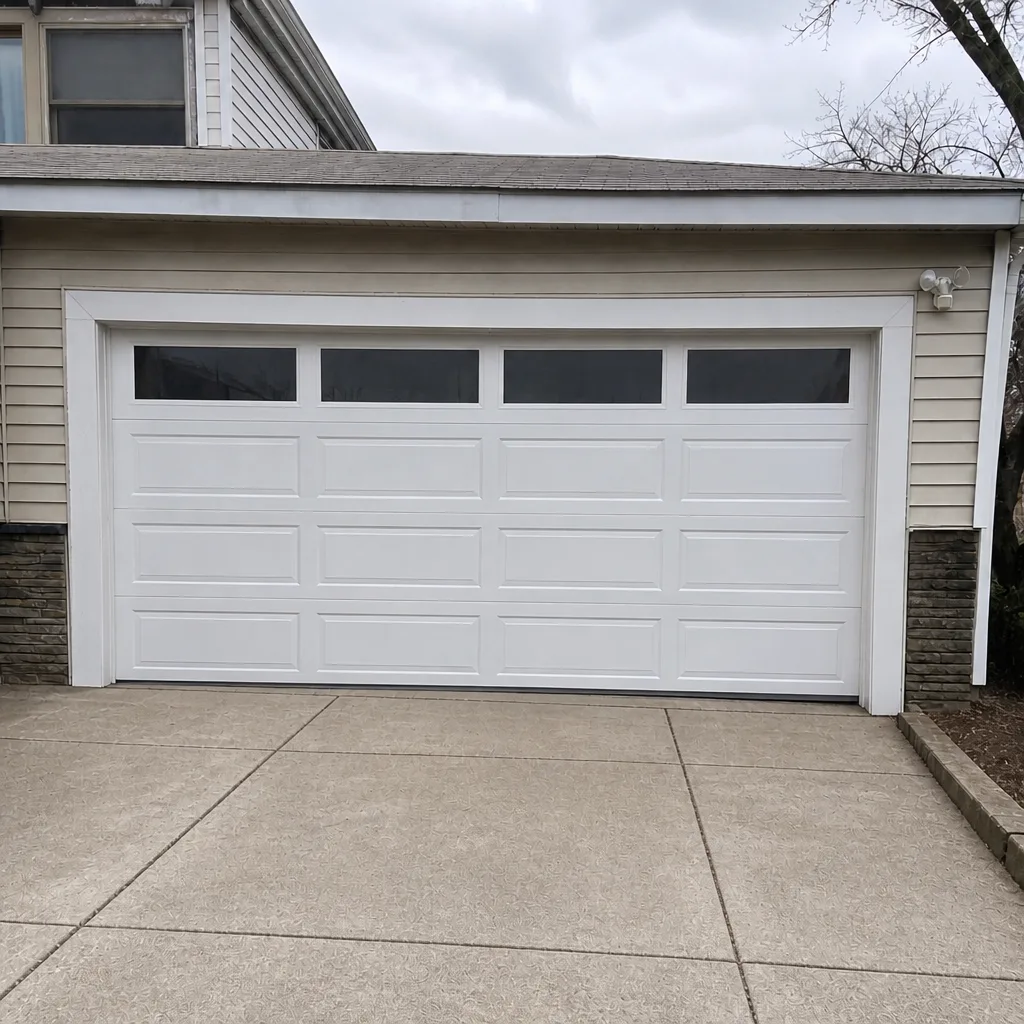 After
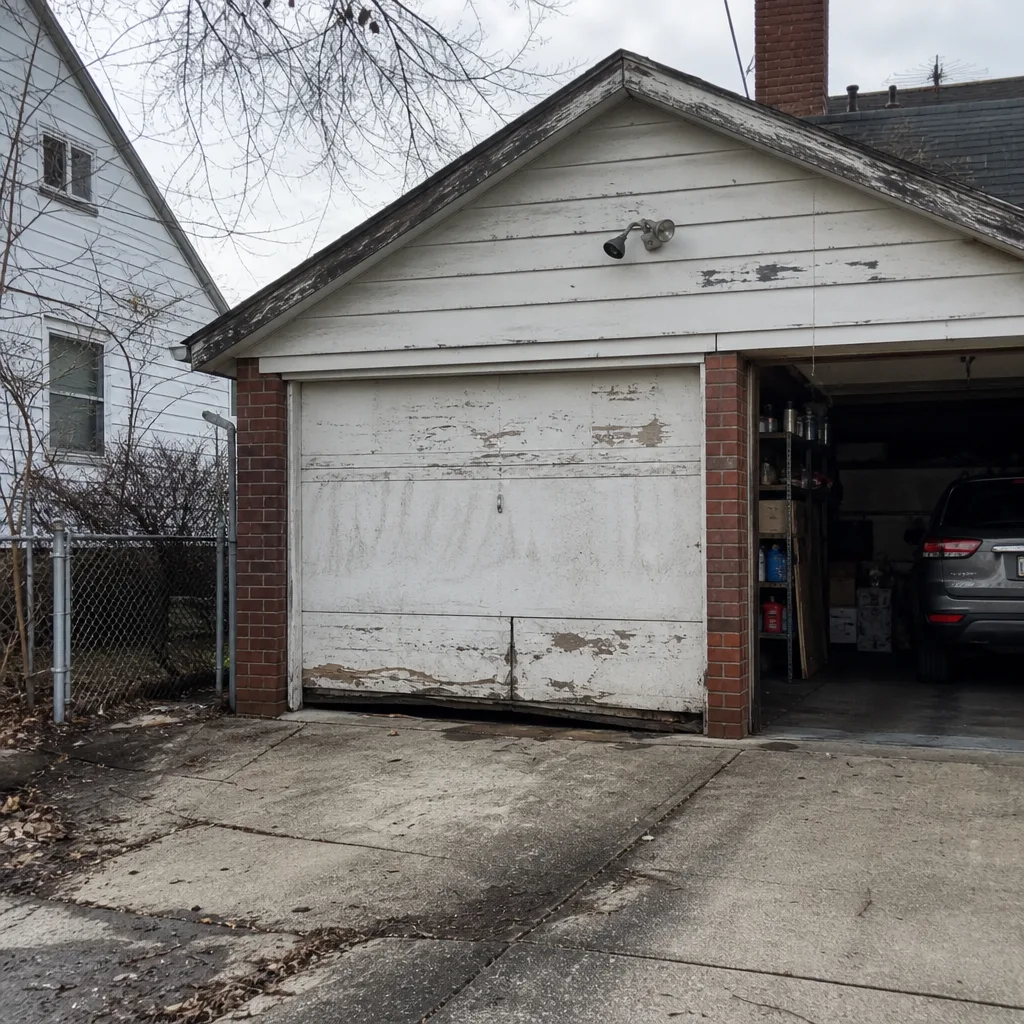 Before
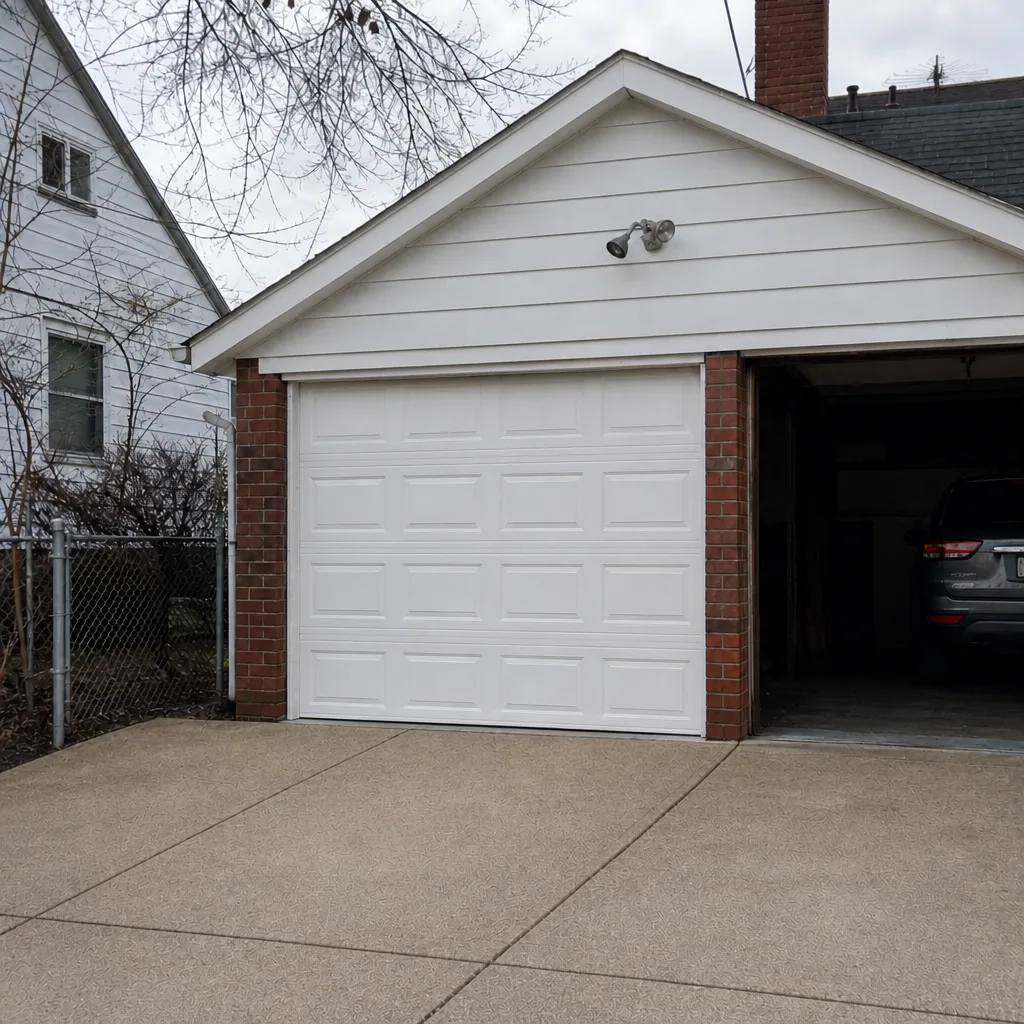 After
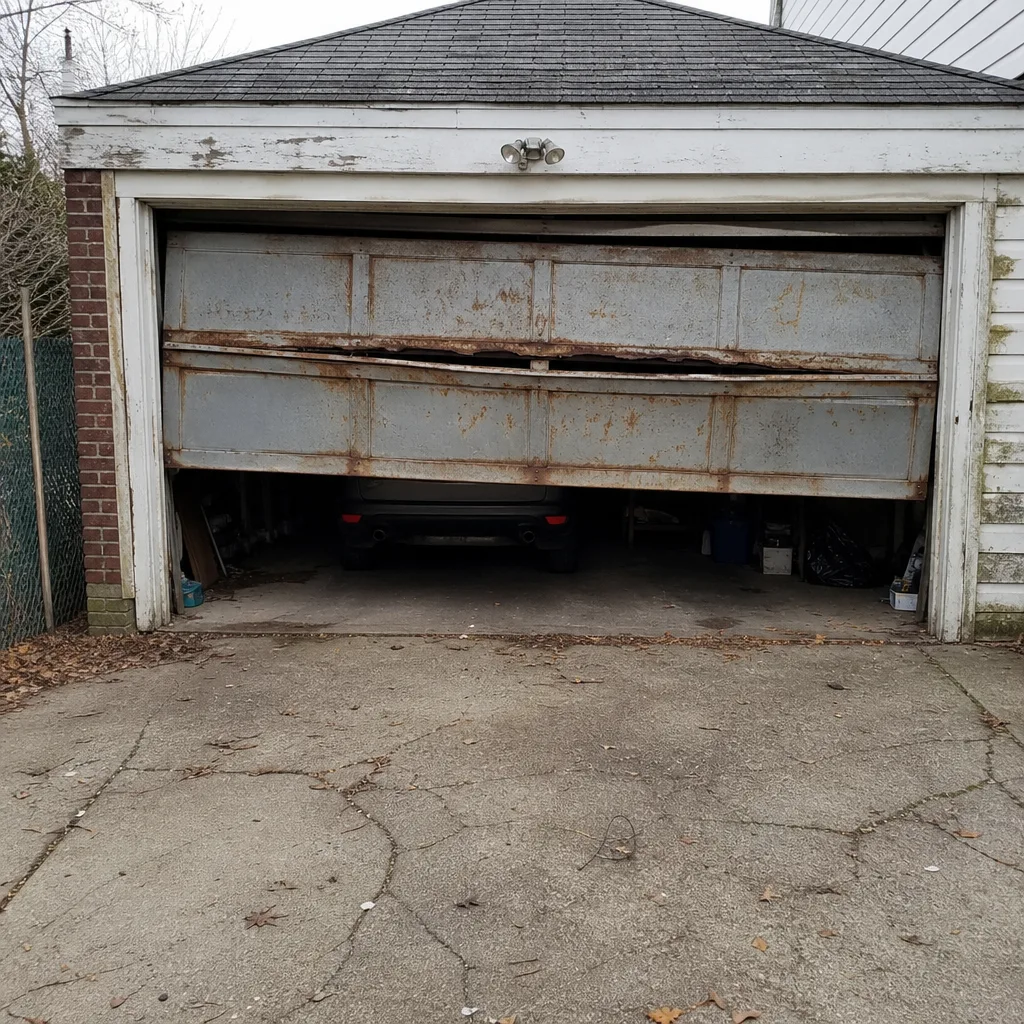 Before
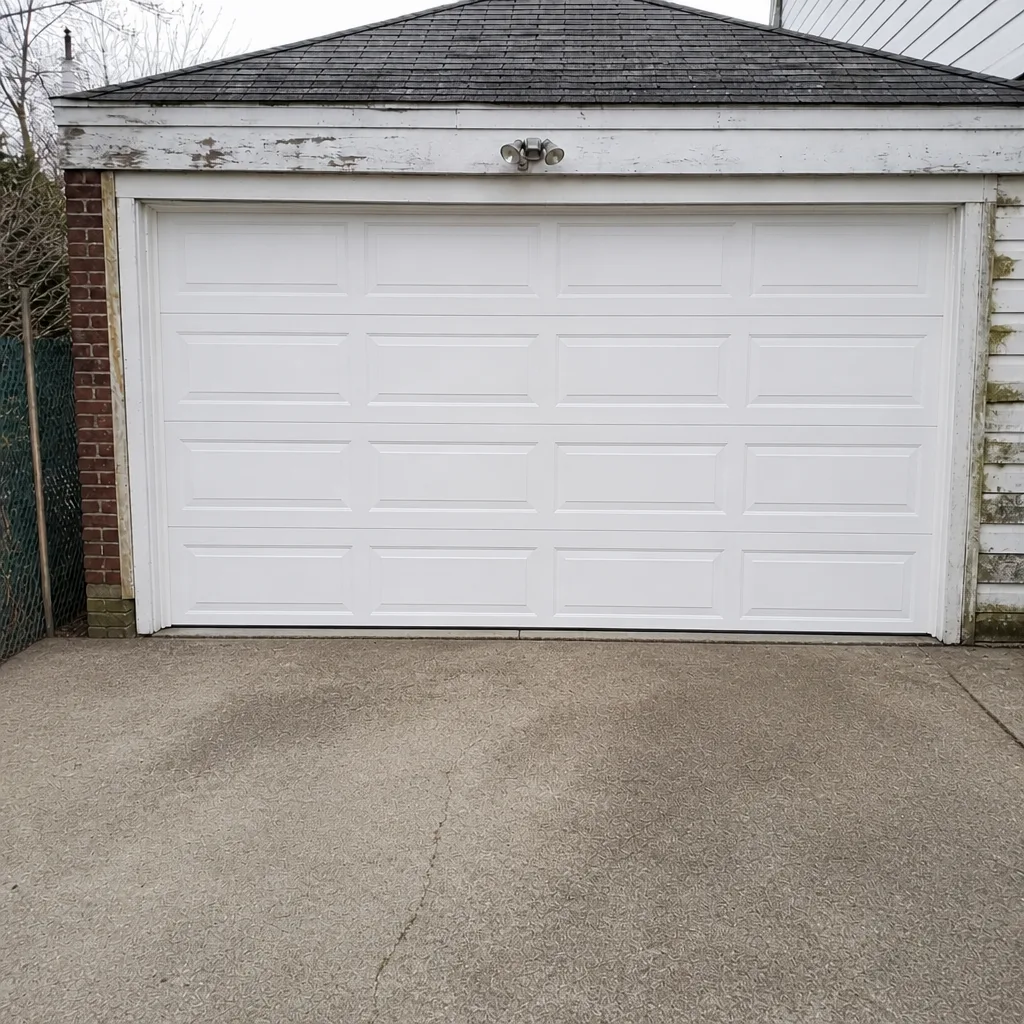 After
When to Call a Professional
Call when the door won’t move, won’t close, has snapped a spring (you’ll hear a bang and the door will hang open at an angle), runs unevenly, or has come off its track. Also call when you’re not sure whether the job is safe, especially in dense alley access. A trained technician is insured for the work and, in a shared building, that insurance matters. For free estimates in the Lower East Side, call (866) 937-7379. We answer 24/7, with fast dispatch from 7am to 7pm, Sunday through Friday, and we’re closed Saturday. We quote before we start, so the number you agree to is the one you pay.
Frequently Asked Questions
Typically $200 – $380 for one spring and $400 – $760 for the matched pair most doors need. Urban access and building condition can shift the range; your written estimate sets the final price. Call (866) 937-7379 for an exact quote – estimates are free.
Yes, most repair calls can be scheduled the same day. We answer 24/7 and dispatch fast from 7am to 7pm, Sunday through Friday, closed Saturday. If your call comes in outside dispatch hours, we’ll book the next opening. Call (866) 937-7379.
No. We quote a price based on your written estimate before any work starts, and the price you agree to is the price you pay unless you request added work. If you’d like an exact figure, call (866) 937-7379 for a free estimate.
The local pro who does the work is licensed and insured as required by state and local rules. We connect you with a vetted local professional, so the work isn’t performed by an unvetted amateur. Call (866) 937-7379 to discuss your job.
No. Torsion springs store enough energy to cause serious injury, and homeowners don’t have the winding equipment or the training to do it safely. Leave this to a trained technician; the potential cost isn’t worth the savings. Call (866) 937-7379 for a professional spring repair.
Yes: lubrication, weather seal replacement, remote reprogramming, and light track realignment are all reasonable DIY tasks in the Lower East Side. Springs, cables, drums, and header anchors are not. If in doubt, call (866) 937-7379 for guidance.
The Bottom Line
The DIY vs professional garage door question has a simple answer: some jobs are safe in your hands, and some aren’t. Lubrication and weather seals pay off. Springs, cables, and structural brackets are where we draw the line, not because they’re complicated, but because the risk-to-savings ratio is genuinely negative and the liability is real in shared Lower East Side buildings. Our technicians have up to 13 years of experience across the brands you’ll find here, and we’d rather you know which jobs to call us for than test a spring on your own. When your door needs an expert, we’re the call that gets it fixed right the first time.
To arrange a free estimate in the Lower East Side, call (866) 937-7379. We answer 24/7, and dispatch runs 7am to 7pm, Sunday through Friday.
Written by the team at Garage Door Repair Lower East Side.