
Last updated November 21, 2026
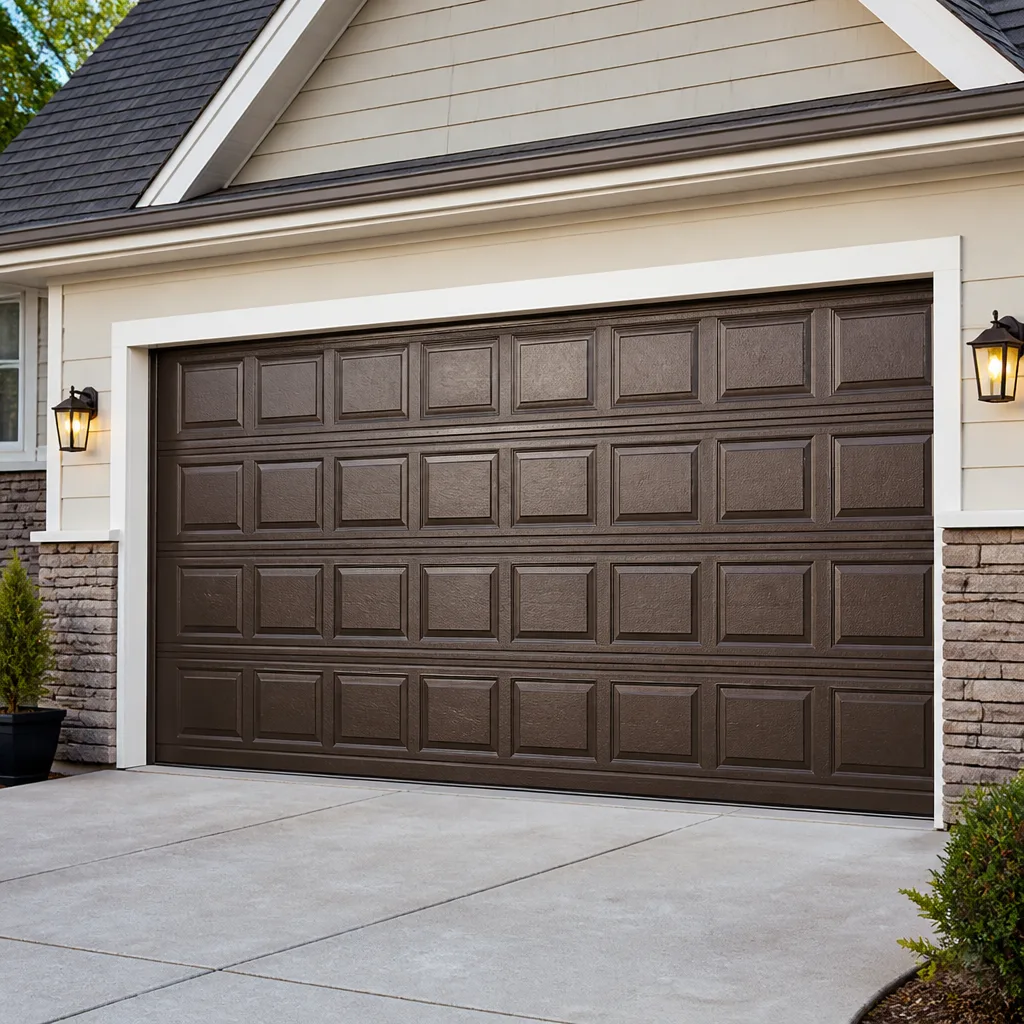 Raised-panel steel
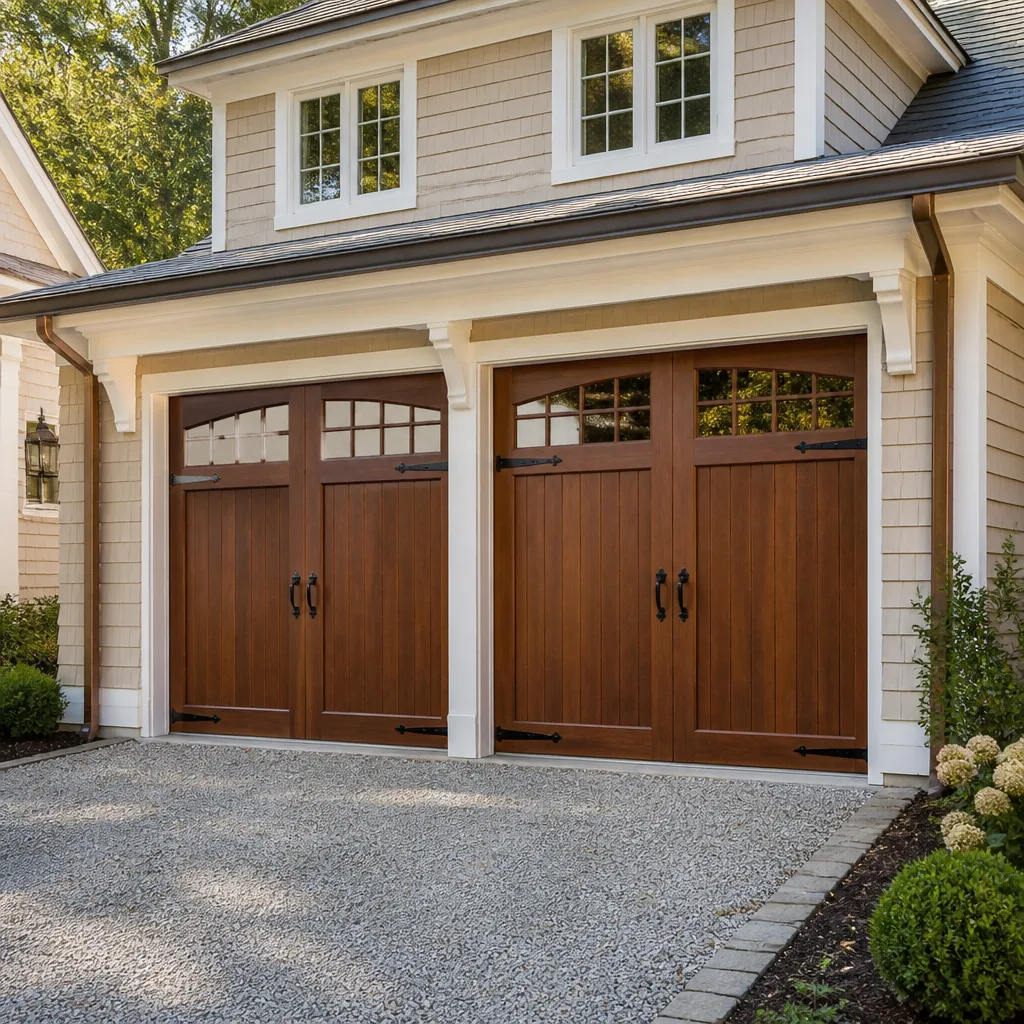 Carriage house
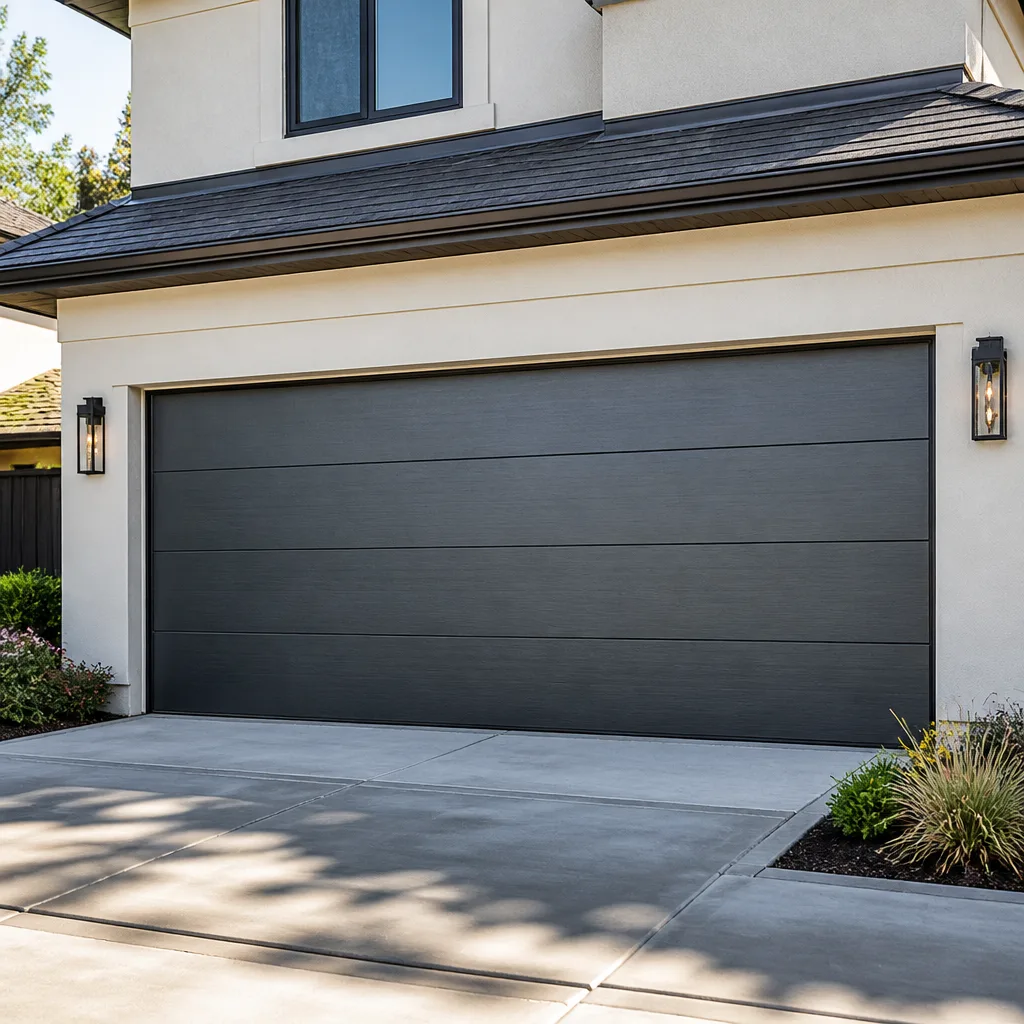 Modern flush
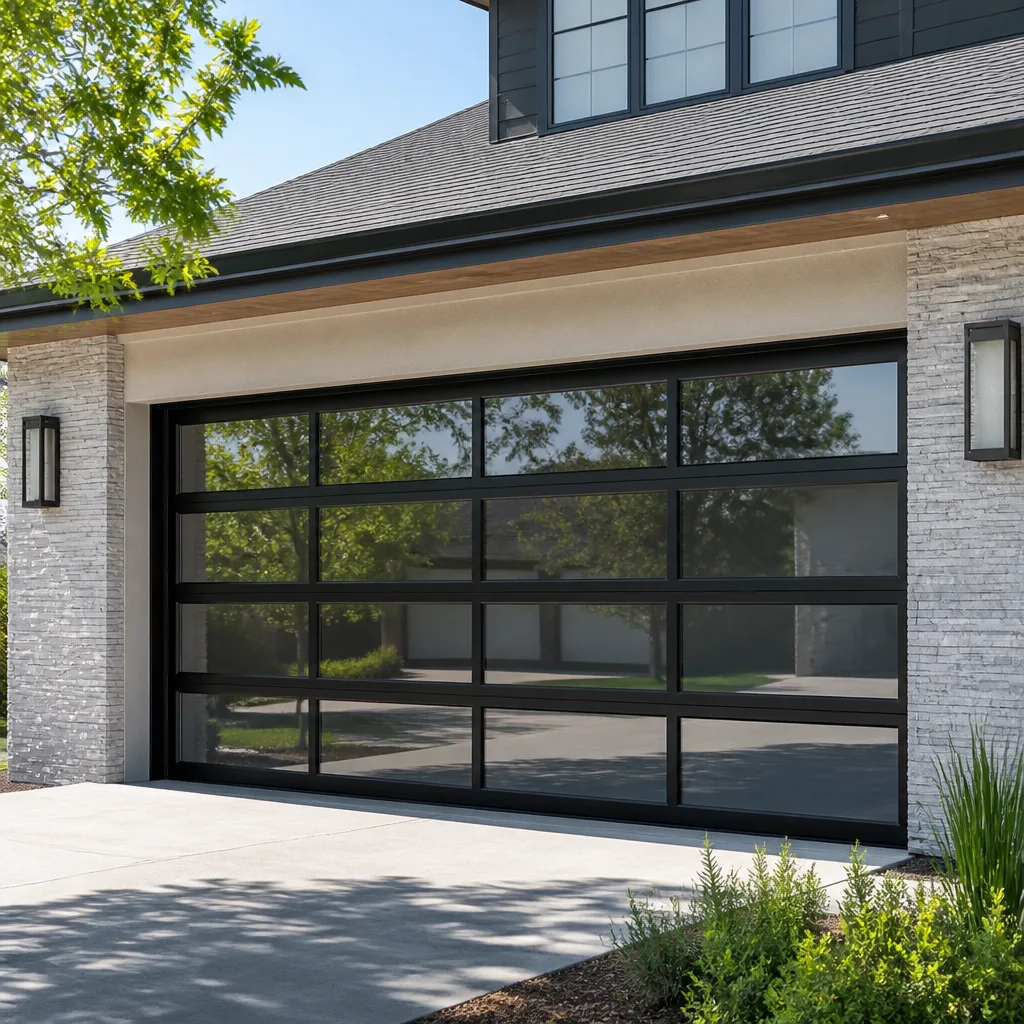 Full-view glass
 LiftMaster openers
 Chamberlain openers
Full 25-point door and opener safety check with every visit - springs, cables, rollers, tracks, and your LiftMaster or Chamberlain opener included
You get a price before we start. It does not change when the pro arrives.
Get your free estimateSeasonal Garage Door Care for Lower East Side: Year-Round Homeowner’s Guide
Most homeowners here assume winter is the danger window. In our experience, the doors that fail hardest are the ones that made it through January fine and then cracked apart in late February, when repeated freeze-thaw cycles pull the bottom seal open, feed water under the door, and rust the bottom panel from the inside out. You won’t see it from the street. You’ll hear it as a scrape, or smell it as damp, long after the damage is set. Lower East Side homes sit on a calendar that doesn’t match the standard maintenance advice, so this guide walks through what to actually check, season by season, on a door that lives in a tight alley or a narrow side lot.
Quick Answer
Seasonal garage door care in the Lower East Side follows three real windows, not four tidy ones: a pre-winter hardware-and-track check before the first hard freeze, a late-winter freeze-thaw inspection of the bottom seal and panel after the thaw cycles start, and a fall rust-inhibitor pass on the door bottom before the city begins salting streets. Springs, tracks, openers, and wooden panels each respond differently to the humidity spike in July and the 20°F mornings in February, and a door that gets attention at each of those points will outlast one that only gets oiled once a year.
Styles & brands we work with
- Raised-panel steel
- Carriage house
- Modern flush
- Full-view glass
- LiftMaster openers
- Chamberlain openers
Table of Contents
- Pre-Winter Prep: Hardware That Contracts and Causes Binding
- The February-March Freeze-Thaw Window
- Spring Re-Tensioning After Winter Load
- Summer Humidity and What It Does to Springs and Wood
- Fall Salt Prep Before the City Starts Salting
- Adjusting Opener Travel Limits for Cold and Heat
- Safety: What You Should Never Touch Yourself
- Common Mistakes to Avoid
Pre-Winter Prep: Hardware That Contracts and Causes Binding
Steel doors on Lower East Side alley garages behave differently in cold than the same door does in mild weather. Metal contracts, clearances tighten, and the parts that were fine in October start to bind in December. The prep work is less about lubrication and more about finding the points where contraction will cause trouble before it does.
Here’s the sequence we walk homeowners through each fall:
- Check the hinge screws. Cold-contracted wood and metal frames push against hinges. Loose screws that feel firm in September can back out by January. Tighten them, but stop if a screw spins freely in a stripped hole; that needs filling, not overtightening.
- Run a dollar bill along the bottom seal. If it slides out with no resistance anywhere along the door bottom, the seal isn’t contacting the floor. That gap lets cold air in and water under the door in a thaw.
- Look at the track clearances. Run your hand along the inside of the vertical tracks (rollers out of the way) and feel for dents, bends, or debris. A track that’s off by a few millimeters in October will jam in January.
- Test the door balance by hand with the opener disconnected. Lift the door halfway. If it won’t hold, the springs are carrying uneven load and the opener will strain harder once cold stiffens the rollers.
- Inspect the weather strip on the sides and top. Cracked side seals let in cold air and, more importantly, allow the door to rattle against the frame as it cycles. That rattle loosens hardware over the winter.
This is also the point to check the opener’s force settings if your door has one of the smart-home-compatible models we see most often, like a LiftMaster or a Craftsman. A door that opens smoothly in October with the force setting at default will often need a small bump in January, and then back down in April. Most manuals bury this in an appendix. We can walk you through it, or a quick visit from one of our technicians catches it alongside the rest of the pre-winter check.
If you’re noticing a door that’s already begun to bind, that’s the moment to have someone look at garage door repair before the door stops mid-travel in the cold.
The February-March Freeze-Thaw Window
This is the window most homeowner guides skip entirely, and it’s the one that does the most damage in the Lower East Side. In February and March, the temperature swings from below freezing overnight to the mid-40s by afternoon, often several times in a single week. A garage door’s bottom seal and bottom panel take the brunt of that cycle.
What happens mechanically: as the door bottom warms, the rubber or vinyl seal relaxes and opens tiny cracks that formed when it was cold. Water from melting snow and ice dams runs under the door and pools on the concrete. Overnight it refreezes. Over a few cycles, that water finds the seam between the bottom panel and the bottom rail, and the panel starts rusting from the inside face, where you can’t see it. By the time you notice a bubble in the paint or a grinding sound when the door closes, the damage is already set.
What to check during freeze-thaw season:
- The bottom seal, every week or two. Look for cracks, splits, or sections that have pulled away from the retainer. Feel the underside of the door bottom with your hand; if it feels wet after a thaw, water is getting in.
- The bottom panel from the inside. Open the door a few feet and look at the inside face of the bottom section with a flashlight. Rust shows first as orange flecking along the seams, then as bubbling paint.
- Water pooling on the floor. If you see a damp patch on the garage floor near the door after a thaw, the seal is failing. It’s not a floor drain problem.
- Ice at the door corners. Small ice ridges at the bottom corners of a closed door mean the door isn’t sitting flush against the floor, usually because a hinge has loosened or the seal has flattened on one side.
Replacing a bottom seal is one of the least expensive maintenance jobs on a garage door. Waiting until the bottom panel rusts through means replacing a section instead. This is also the season we get the most calls about doors that “suddenly” won’t close, and it’s rarely sudden; it’s a seal that’s been failing since the first thaw. If your door has stopped closing cleanly, Garage Door Repair Lower East Side can get out to look at it and quote the fix before it gets worse.
Spring Re-Tensioning After Winter Load
The springs that carry your door’s weight don’t just sit there over the winter; they work harder. Cold stiffens the rollers, grease thickens, and the door is heavier to move. That extra load puts added tension on the springs, and by March they’ve often relaxed slightly. A door that felt balanced in November may now feel heavy to lift by hand, or the opener may strain at the start of every cycle.
How to know if yours need attention:
- The door feels heavy by hand. Disconnect the opener, lift the door to halfway, and let go. A properly balanced door holds roughly in place. If it drops fast or takes real effort to lift, the tension is off.
- You hear a bang from the garage at random times. A torsion spring that has lost tension or is failing often makes a single loud report when it snaps. That’s not a maintenance issue; that’s a call us now issue.
- The opener strains or the door hesitates at the start of travel. That’s the opener overcoming a heavier door because the springs aren’t doing their job.
- The door drifts back down after opening. If the door won’t stay fully open without the opener holding it, the spring tension is low.
Re-tensioning a torsion spring is not a homeowner task. Those springs are under hundreds of pounds of stored force, and a slip with the winding bars can break an arm or worse. This is where experience matters most; our technicians have up to 13 years of experience with torsion and extension spring systems, and we treat spring work as a dedicated service rather than something we fit in between other jobs.
One correction to a common piece of advice: replacing a single spring when the other is the same age usually means a second visit a few months later. For a matched pair, we almost always recommend replacing both at once. The cost of one spring runs roughly half of what a pair costs, so budgeting for two upfront saves a repeat visit and a repeat bill. If your springs are visibly worn, bowed, or making noise, call us and we’ll give you a written estimate before anything is touched.
Summer Humidity and What It Does to Springs and Wood
July and August in the Lower East Side are hard on a garage door in ways that don’t show up until much later. Humidity in this part of the city rarely drops far below 60% through the summer, and garages sit closed most of the day, trapping that humidity inside.
Two things happen. First, torsion spring coating softens. A torsion spring is a steel coil coated in a thin layer of oil or polymer to keep it from corroding. In sustained humidity, that coating softens, dust and grit stick to it, and the spring runs less smoothly through each cycle. The failure isn’t sudden; it’s a gradual increase in friction that strains the opener and eventually affects travel. If you have a Wayne Dalton door with a TorqueMaster system, the enclosed spring setup handles humidity a bit better than exposed springs, but the coating still needs attention.
Second, wooden door panels swell. The Lower East Side has a lot of older wood garage doors on side lots and carriage-style openings, and those panels absorb moisture from the air. A panel that fits the opening in April may bind in July. The stiles rub against the rails, the door racks out of square, and you start to see paint cracking along the joints where the wood is moving. Left alone, the paint fails first, then the wood itself.
What to do in summer:
- Wipe down exposed torsion springs and lubricate with a silicone-based spray. Not WD-40, not grease; a light silicone spray that won’t attract grit.
- Check wooden panels for swelling. Run your hand along the panel joints with the door closed. If you feel a raised edge where the paint used to be flush, water has gotten in and the wood is moving.
- Look at the paint on wooden doors. Any crack, blister, or split in the paint along a joint is a place where moisture will enter next summer. Touch it up before fall.
- Air out the garage when you can. Propping the door open on a dry morning lets the trapped humidity out. It doesn’t fix a swelling door, but it slows the process.
If your wooden door has started to bind at the tracks or the panels feel soft, that’s a sign to have it looked at. We handle opener and hardware work alongside wood door maintenance, so a garage door opener repair visit often uncovers panel issues at the same time.
Fall Salt Prep Before the City Starts Salting
This is the seasonal task most homeowners skip, and in the Lower East Side it matters more than almost any other. Once the city’s trucks start salting streets, every snowstorm sends salt spray up onto the bottom few inches of your garage door, and it sits there, wet, then dries, then gets sprayed again. The bottom panel, bottom rail, and bottom seal are the parts that take the hit.
What to do before the first salting of the season:
- Clean the bottom panel thoroughly. Use a sponge and mild soapy water to remove the summer’s grit, dust, and any bird droppings from the bottom two to three inches of the door. Rinse and dry fully.
- Apply a rust inhibitor to the bottom panel, bottom rail, and any exposed bolts. A paint-on rust-preventive coating or a spray-on inhibitor works. Focus on seams, joints, and anywhere two metal parts meet; that’s where salt water creeps in.
- Touch up any paint chips on the bottom panel. Bare metal rusts first. A small bottle of touch-up paint in the door’s color is worth keeping on hand.
- Check the bottom seal for cracks before the season starts. A cracked seal lets salt water up into the cavity of the door. If it’s cracked, replace it now.
- Wash the door after major snowstorms. A quick rinse of the bottom few inches when the salt spray is heavy extends the life of your fall prep.
- Inspect the bottom roller brackets. Salt spray is the most common cause of seized bottom rollers on Lower East Side doors. If the door has started to skip or jump at the very end of travel, that’s usually a seized bottom roller, not a track problem.
Do this work in October or early November, before the first significant snow. Once the salt is down, the inhibitor is protecting metal that’s already been exposed, not metal that’s fresh.
Adjusting Opener Travel Limits for Cold and Heat
Your opener’s travel limits set where the door is considered fully open and fully closed. Those limits are factory-set by the installer, but they need revisiting when the temperature swings, and a lot of manuals only mention this in a troubleshooting appendix or not at all. A door that closes flush in April may stop two inches short in January, or the opener may reverse at the bottom because it senses resistance that isn’t really there.
Why this happens: as the door materials contract and expand, and as the rollers and hinges tighten in cold or loosen in heat, the door’s effective travel changes by a small but real amount. The opener’s limit settings don’t know the door has changed; they keep pushing to the same place.
A basic sequence to check travel limits (on most LiftMaster and Chamberlain models; check your own model’s manual for the specific button sequence):
- Disconnect the door from the opener and cycle it by hand. If it moves smoothly and closes fully against the floor, the door itself is fine and the limit setting is the issue.
- Reconnect the opener and press the button to close the door. Watch where it stops. If it stops short of the floor, the down limit is set for a warmer door.
- On most openers, the limit adjustment is behind the lens cover or under a small access panel. With the door at the open position, turn the down limit screw or press the limit buttons as your model’s manual describes.
- Cycle the door two or three times and watch the close. Adjust incrementally; a small turn on the limit screw moves the stopping point by a small amount.
- Test the safety reversal. Place a two-by-four flat on the floor in the door’s path and close it. The door should reverse on contact. If it doesn’t, stop and call us; that’s a safety system that needs professional attention.
Do this check once in November (before the cold sets in) and once in May (as the door loosens up). If you have a Raynor or Genie opener and aren’t sure where the limit adjustments live, the model number on the opener head or the inside of the manual cover points you to the right section. Or call us and a technician can walk you through it.
While you’re in the opener housing, note the brand and the model number. Any future service is faster when the technician knows what they’re dealing with. We work on LiftMaster, Chamberlain, Genie, Clopay, Amarr, Wayne Dalton, Craftsman, and Raynor systems, so there’s a good chance whatever’s in your garage is one we know well.
Safety: What You Should Never Touch Yourself
A garage door is the largest moving object in most homes, and two of its systems are genuinely dangerous. We want to be direct about this because the seasonal maintenance advice that’s worth following stops well short of touching them.
Torsion and extension springs. These store enough energy to lift hundreds of pounds of door weight. When a spring snaps, it releases that energy at once, and the winding bars used to adjust them can slip or kick. Do not attempt to adjust, re-tension, or replace a spring yourself. If your door’s springs look wrong, sound wrong, or feel wrong, call us. This is a task for a trained technician with the right tools and safe working procedures.
Electric opener wiring. If a wall button, safety sensor, or opener power connection needs rewiring, that’s electrical work. Even low-voltage opener circuits can cause problems if wired incorrectly, and a miswired opener that runs the door when it shouldn’t is a real hazard. Leave the wiring to someone qualified.
Track adjustment. Track alignment is less dangerous than springs, but a track that falls while you’re working near it can catch fingers or a hand. We recommend homeowners inspect tracks for visible damage (dents, bends, rust) and leave any adjustment to a technician.
What’s safe to do yourself: cleaning, lubricating with silicone spray, checking the bottom seal, checking weather stripping, testing the safety reversal, painting and rust-inhibiting the bottom panel, and cleaning the photo-eye safety sensors. Everything else is a call.
Common Mistakes to Avoid
- Treating the four seasons as equal. In the Lower East Side, the freeze-thaw window in February and March does more damage than winter itself. Check the bottom seal and panel after every thaw, not just once in November.
- Skipping the fall salt prep. Homeowners who apply rust inhibitor in October usually avoid a rusted bottom panel the following spring. Homeowners who skip it often don’t. Salt spray hits your door bottom every storm, and the damage is cumulative.
- Using WD-40 or grease on springs and rollers. WD-40 isn’t a lubricant; it’s a solvent that strips the existing coating and attracts grit. Grease is the wrong viscosity and holds dust. Use a silicone-based spray designed for garage door hardware.
- Replacing one spring when the other is the same age. A pair of springs wears at the same rate. Replacing only one means the other is likely to fail a few months later, and you pay for a second visit. For a matched pair, replace both at once.
- Ignoring opener travel-limit drift between seasons. A door that closes fine in spring may not close fully in winter. Check the close position at both ends of the year, not just once when the door is installed.
- Storing paint and solvents in the garage through summer. The trapped humidity in a Lower East Side garage softens spring coatings and swells wooden doors. The same humidity degrades anything stored inside that doesn’t like damp, and it makes the humid environment worse by adding to it.
- Assuming the opener is broken when the door itself is the issue. A door that won’t open is often a spring problem, a track problem, or a door balance problem, not an opener problem. Diagnose the door first, then the opener.
See the difference
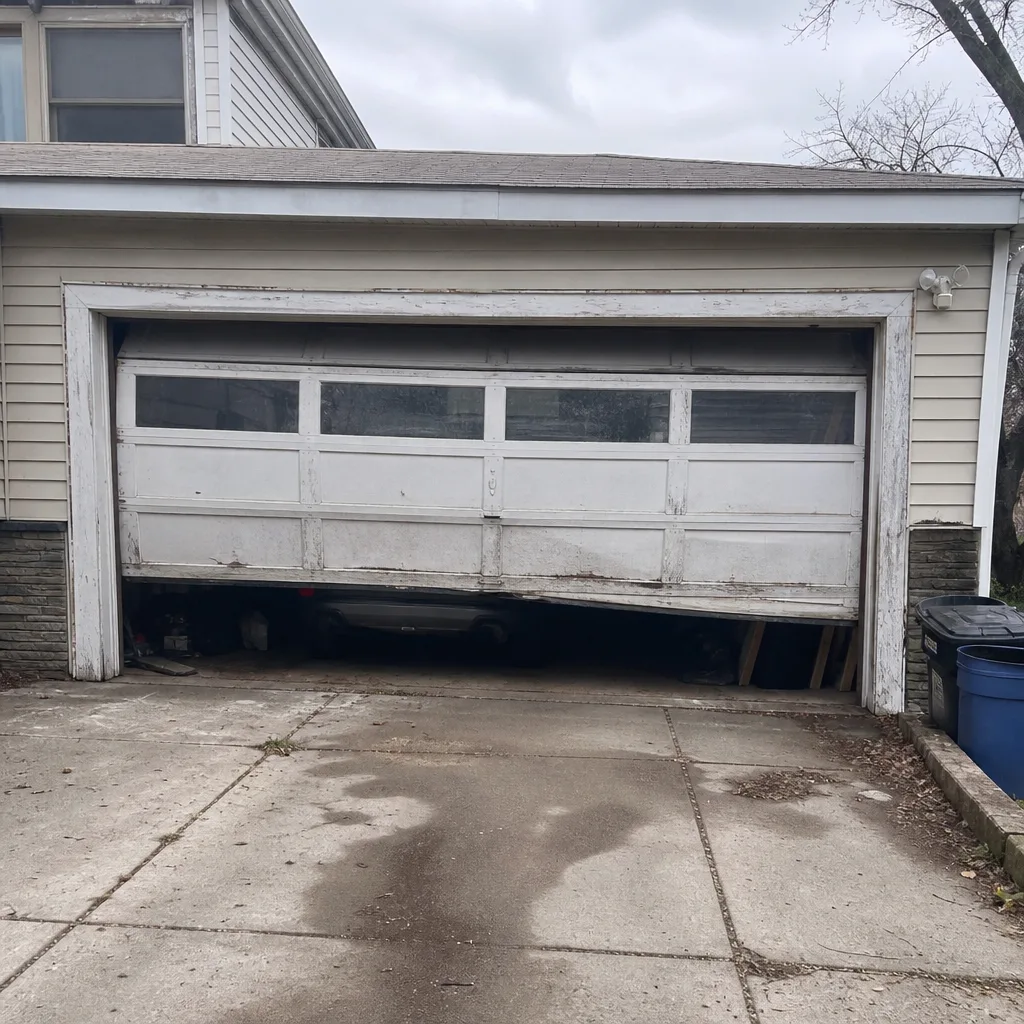 Before
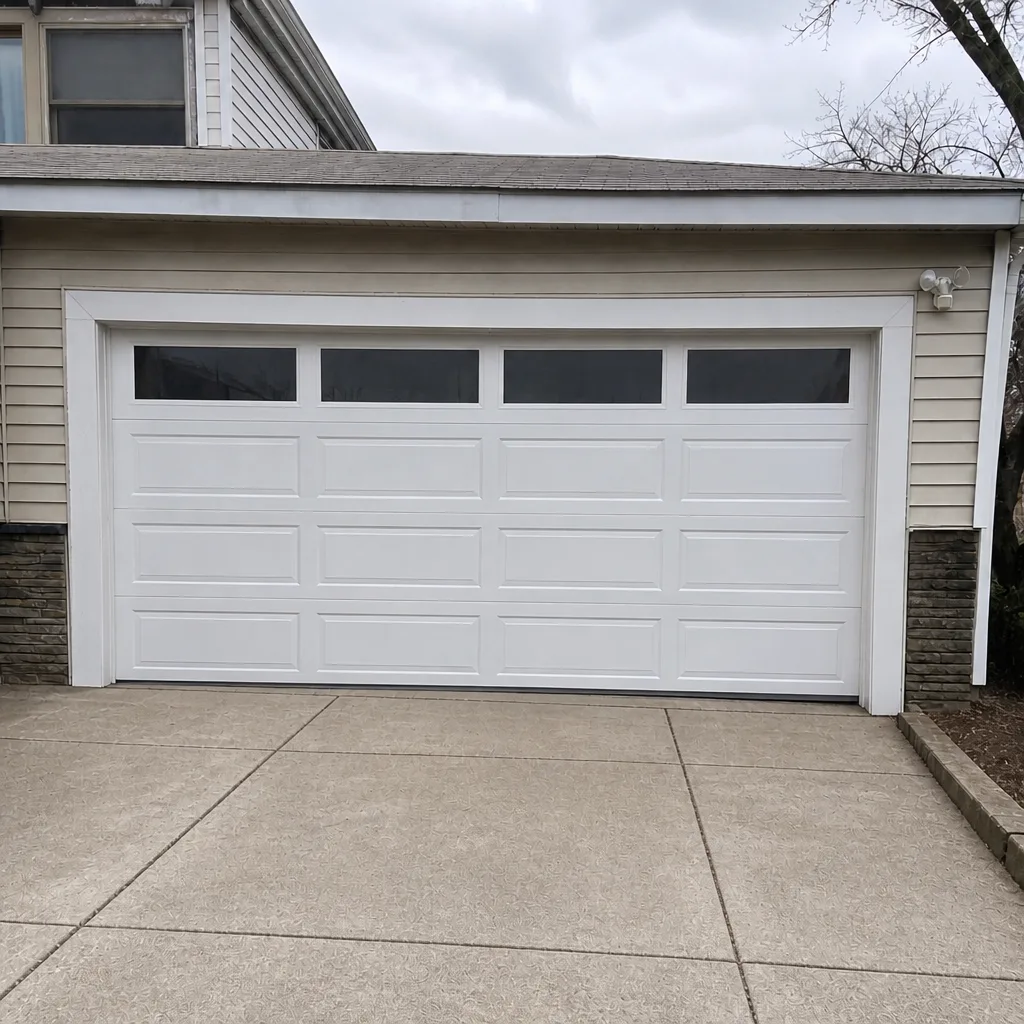 After
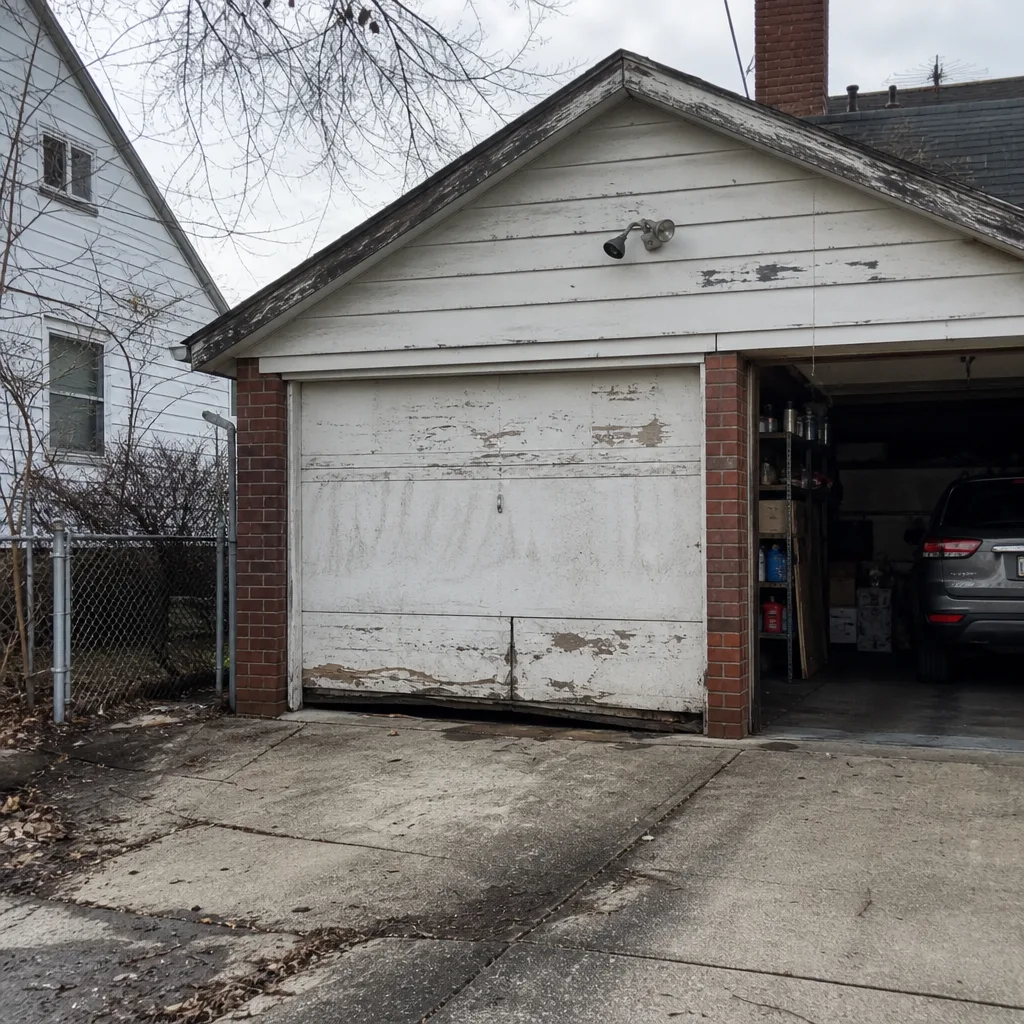 Before
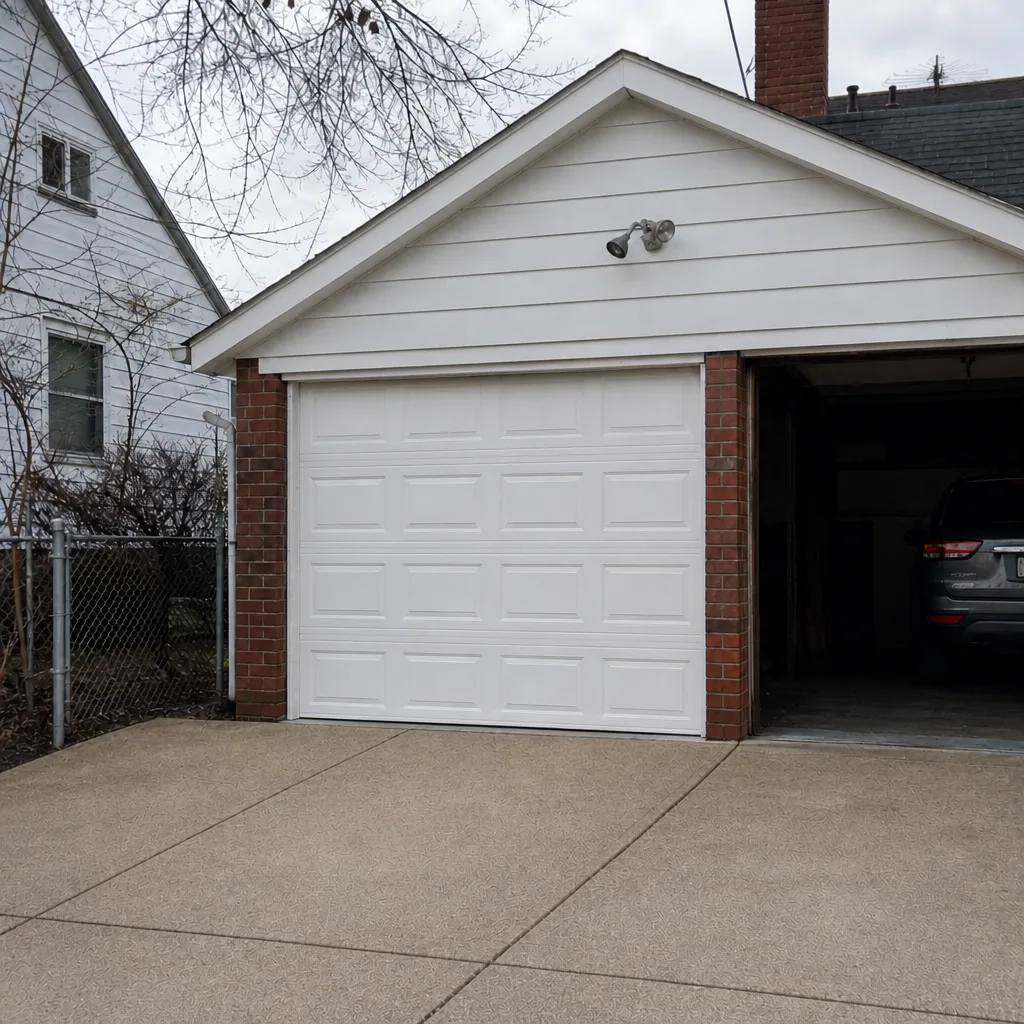 After
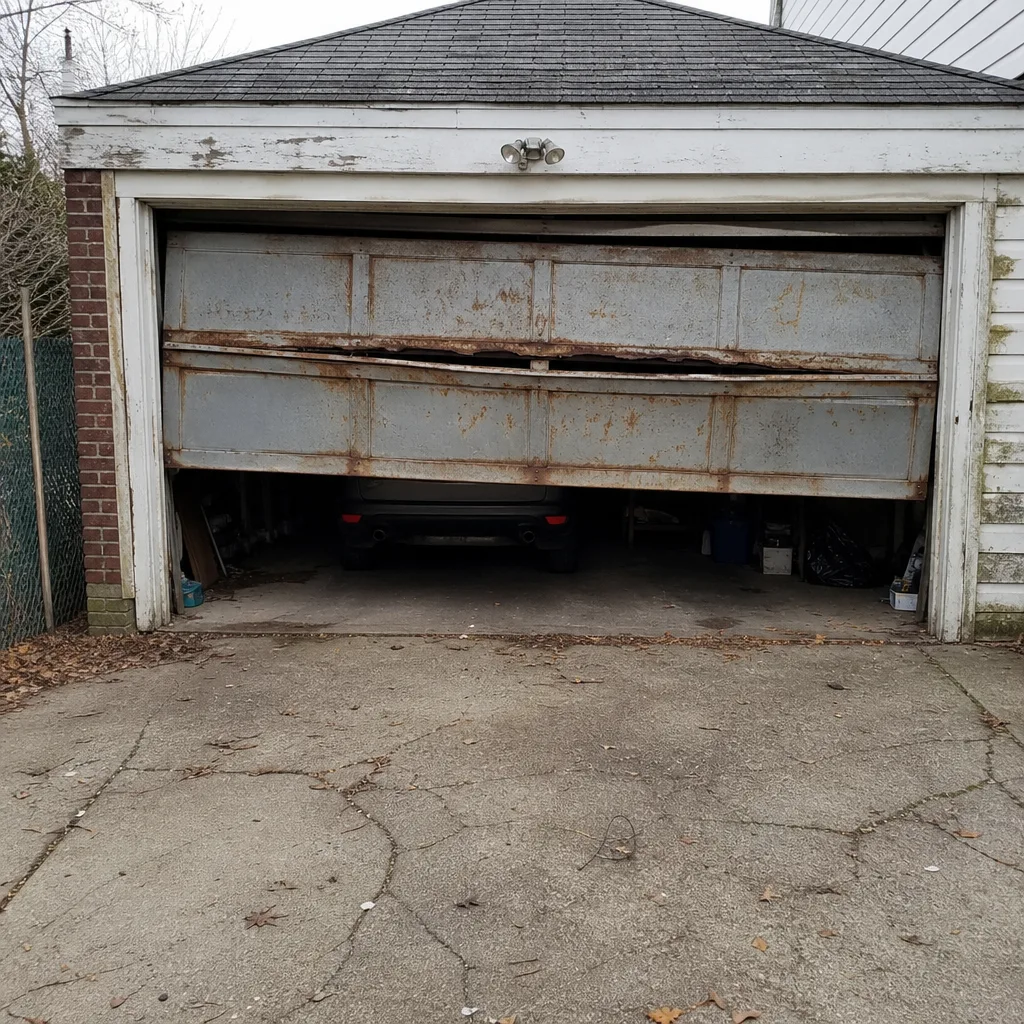 Before
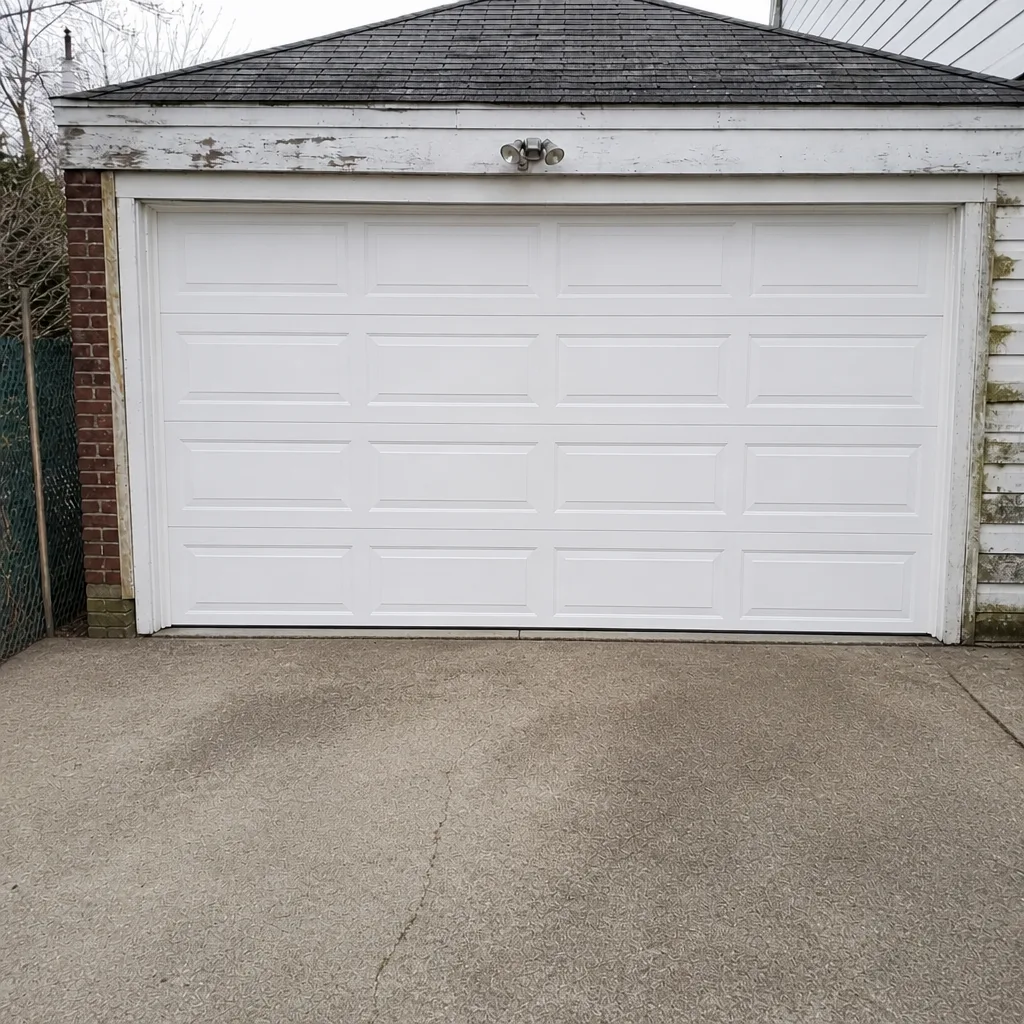 After
When to Call a Professional
Some seasonal checks belong in your hands. Others don’t. Reach for the phone when you hear a single loud bang from the garage (that’s a spring), when the door stops partway through its cycle and won’t complete travel, when the door reverses unexpectedly or fails the two-by-four reversal test, when the bottom panel is rusting or the wooden panels are swelling and the door is starting to bind, when you’ve had two or three bottom seals fail in consecutive seasons, or when the opener’s limit adjustments don’t bring the door back to a clean close. Also call if you’ve noticed the door racking out of square, or if any track has been hit and looks visibly bent. Garage Door Repair Lower East Side offers free estimates in the Lower East Side. Call (866) 937-7379. We answer 24/7. Fast dispatch from 7am to 7pm, Sunday through Friday.
Frequently Asked Questions
The bottom seal, checked after every freeze-thaw cycle in February and March. That’s the single window where water gets under the door, freezes, and rusts the bottom panel from the inside out. A five-minute check that catches a failing seal saves a much bigger repair later. If your seal is cracked or wet on the underside, call us to have a look.
Twice a year is the baseline: once in late fall before the first freeze and once in late spring as humidity starts. Use silicone-based spray on the springs, hinges, and rollers. If your door lives in a garage that stays damp through the summer (most Lower East Side garages do), add a third application in mid-summer. If you’re not sure what to lubricate and what to leave alone, call (866) 937-7379 and we can walk you through it.
Often yes, especially after a winter with several freeze-thaw cycles. Cold stiffens rollers, thickens grease, and puts more load on the springs, which can leave them slightly relaxed by March. A door that feels heavy to lift by hand in March is telling you the springs need attention. Re-tensioning is not a homeowner job; call us and a technician will check the balance and adjust safely.
Fall salt prep is the answer. Clean the bottom two to three inches of the door thoroughly in October, apply a rust inhibitor to the bottom panel and rail, and touch up any paint chips. Then wash the door bottom after major snowstorms through the winter. Do this every fall and the rust problem largely goes away. If your door has already started rusting, call us for a quote before it eats through the panel.
That’s almost always opener travel-limit drift. Cold contracts the door hardware enough that the opener’s factory-set down limit stops the door a few inches short. It’s a small adjustment, done with the limit screw or buttons on most LiftMaster, Chamberlain, Genie, and Raynor models, and it takes minutes. If you’re not sure where the limit adjustment is on your model, call us and we can help; estimates are free.
You can safely do the inspection, cleaning, lubrication, seal replacement in some cases, and travel-limit adjustment. You should not touch the springs, the opener wiring, or track adjustment. Those three tasks involve stored spring energy, electrical work, or moving hardware that can cause real injury. Call (866) 937-7379 for anything on that list and we’ll send a technician.
The Bottom Line
Seasonal care for a Lower East Side garage door is really about three things: catching the freeze-thaw damage in February and March before it becomes structural, keeping the summer humidity from swelling wooden panels and softening spring coatings, and getting the fall salt prep done before the city’s first snow. Springs, tracks, openers, and bottom panels each need different attention at different points in the year, and a door that gets looked at each season will still be opening smoothly when a neglected one is on its second bottom panel. If any of this feels like more than you want to take on, or if you’ve spotted something on the inspection that doesn’t look right, we’re here. Call (866) 937-7379 for a free estimate. We answer 24/7, and we run fast dispatch from 7am to 7pm, Sunday through Friday. We work on LiftMaster, Chamberlain, Genie, Clopay, Amarr, Wayne Dalton, Craftsman, and Raynor systems, so the technicians who arrive already know your door. From a stuck door to a full upgrade, we can handle the whole job. For new door projects, a full replacement, or a spring and opener swap in the same visit, we schedule a free measure and a written price before anything is ordered. If you’re planning ahead, garage door installation quotes include the seasonal prep we recommend for the first year.
Written by the team at Garage Door Repair Lower East Side.